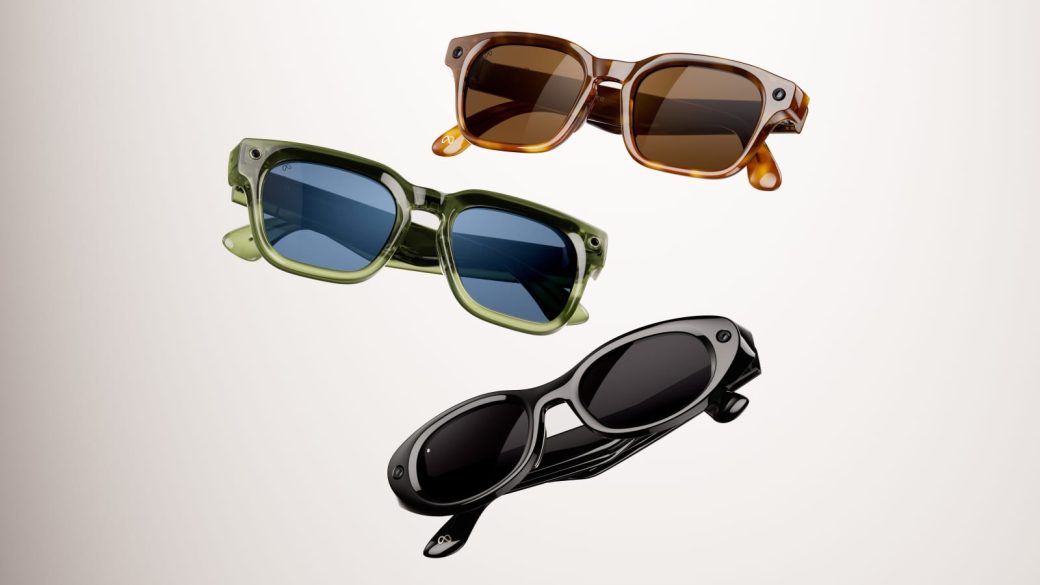
CAMIO smart glasses aim to turn regular glasses into AI helpers without making you buy a whole new pair. CAMIO smart glasses is a clip-on system for frames. It adds a camera, sound, and AI tools so your everyday glasses can see, hear, and answer back.
Key takeaways
- CAMIO is a clip-on AI module for ordinary glasses frames.
- It tries to solve a big problem: smart glasses often cost a lot and look bulky.
- The device mixes a camera, microphones, speakers, and AI software.
- Its pitch is simple: keep your own frames, then add smart features.
- Privacy, battery life, and real-world comfort will decide if people trust it.
What is CAMIO smart glasses and why does it matter?
Most smart glasses come as a full product. That means you must accept the company’s frame style, fit, and price. CAMIO smart glasses takes a different route, because it works like an add-on for glasses many people already wear.
That idea matters for a simple reason. Glasses are personal. Some people need prescription lenses, while others care most about comfort. A clip-on AI module could lower the jump into wearables. Wearables are devices you wear on your body. Think watches, rings, or glasses with tech inside.
The bigger promise is access. If one small unit can fit many frame types, more people may try AI eyewear. AI eyewear means glasses that use software to understand what the camera sees or what the user says. That can help with tasks like reminders, translation, or scene descriptions.
How would CAMIO smart glasses work in daily life?
The basic idea is easy to picture. You attach a small device to your frames. It likely uses a tiny camera to look ahead, microphones to hear your voice, and speakers to talk back. Then AI software turns that raw data into useful help.
For example, you might ask what store is in front of you. You could also ask for directions while walking. If the software supports vision tools, it may read signs, spot objects, or summarize what is on a shelf. That could be helpful for busy commuters, shoppers, and people with low vision.
A voice assistant is the brain in this setup. A voice assistant is software that listens to spoken questions and answers them. The best ones work fast, because slow replies can feel annoying when you are moving through a street or train station.
There is also the sound part. Open-ear audio lets you hear the device without blocking the world around you. Open-ear audio means sound plays near your ears, not deep inside them. That can feel safer outdoors, since you still hear cars, bikes, and people nearby.
Why are companies chasing smart glasses now?
AI has made smart glasses feel possible again. Earlier gadgets often struggled with weak batteries, clunky design, and poor voice control. But newer AI models can understand speech and images much better. That changes the game, but only if the hardware stays light.
Big tech firms are pushing hard into this space. Meta, Google, Apple, and many startups all see glasses as the next screen. A screen is the place where digital info shows up. With glasses, the screen may be your ears, your camera, or a tiny display.
There is a strong business reason too. More than 4 billion people worldwide wear glasses, according to industry estimates often cited by vision groups and market researchers. Even if just 1% tried AI add-ons, that would mean tens of millions of users.
That huge base explains the rush. It also explains why modular products stand out. Instead of replacing a person’s frames, a company can sell one compact unit and try to fit many face shapes and lens types.
What makes CAMIO smart glasses different from regular smart glasses?
The main difference is flexibility. Many smart glasses are fixed products. CAMIO smart glasses sounds more like an adapter. That is a small tool that helps one thing work with another.
If that design works well, it could cut cost. A normal pair of AI glasses may cost hundreds of dollars because the frames, lenses, chips, camera, battery, and audio all come together. A clip-on approach removes one big part of the bill: new frames.
Here is a simple comparison of the idea:
| Feature | Traditional smart glasses | CAMIO-style clip-on |
|---|---|---|
| Frames | Usually fixed by brand | Uses your existing frames |
| Fit | May not suit everyone | Could work across many styles |
| Upgrade path | Replace whole product | Swap only the module |
| Cost structure | Full device purchase | Add-on purchase |
That does not mean the clip-on model is easy. The module must stay light, balanced, and stable. If it slides or pinches, people will stop using it. In wearables, comfort often beats clever features.
What numbers matter most for CAMIO smart glasses?
Three numbers will shape the product: weight, battery life, and response time. If the module weighs under 50 grams, many users may find it manageable. If it crosses 80 grams, it may feel heavy on the nose or ears. Those figures matter because even small changes feel bigger on your face.
Battery life is just as important. For many users, 6 to 8 hours is the minimum for daily use. Less than 4 hours can turn smart glasses into a short demo, not a real tool. A response time under 2 seconds also matters, so answers feel natural during a walk or conversation.
This simple chart shows the comfort zone many buyers will likely expect:
These are not confirmed CAMIO specs. They are the rough benchmarks that often decide whether people keep using a wearable. In fact, many gadgets fail not because the idea is bad, but because the device feels awkward after 20 minutes.
What are the big risks and privacy questions?
Any camera on a face raises privacy worries. People nearby may not know if the device is recording. That can make classrooms, offices, and public transport tricky spaces. Clear recording lights and simple controls can help, but trust is hard to earn.
Data use is another issue. If the system sends photos or voice clips to the cloud, that means remote servers process them. The cloud is just someone else’s computer systems over the internet. Users will want to know what is stored, for how long, and who can access it.
There is also the social test. Smart glasses fail fast if people feel silly wearing them. That is why a low-profile add-on could help. It tries to hide the tech inside something familiar.
Accessibility could be a bright spot, though. Smart glasses may help users read menus, identify objects, or hear spoken directions. We have seen interest in assistive AI rise across devices, while energy use from AI keeps climbing too, as our report on Meta’s AI data center power demand showed.
How does CAMIO smart glasses fit the wider AI gadget race?
CAMIO enters a crowded race, but with a neat angle. Instead of building a whole pair of glasses, it tries to ride on top of what users already own. That feels practical, especially when many AI gadgets still search for a clear everyday use.
The company will need more than a clever hook. It must prove the product works in rain, heat, traffic, and noisy rooms. It also needs strong software, because hardware alone does not make smart glasses useful.
We have seen a similar pattern in other tech markets. Companies often win by making upgrades easier, not by asking users to replace everything at once. That is one reason modular gadgets keep coming back. For a different example of how firms are chasing the next AI platform, see our coverage of OpenAI adding Codex and Work Mode to ChatGPT.
For readers who want the wider market picture, the smart glasses push also sits inside a larger wearable and AI hardware boom tracked by firms like IDC. Core AI privacy issues are also being debated by regulators and policy groups, including the U.S. Federal Trade Commission.
CAMIO smart glasses could matter because they turn a hard sell into an easier one: keep the glasses you like, then add AI only if it helps.
Should you care about CAMIO smart glasses yet?
Yes, if you wear glasses and feel curious about AI tools. The pitch is simple, and that is its strength. People do not always want a flashy new gadget. Sometimes they just want their usual stuff to do one more useful thing.
Still, this idea will live or die on details. Price matters. Comfort matters more. And privacy may matter most of all. If CAMIO smart glasses gets those three right, it could make AI eyewear feel normal instead of weird.
FAQs
What is CAMIO smart glasses?
It is a clip-on AI system for regular glasses. It aims to add camera, audio, and assistant features to frames you already own.
How is CAMIO different from normal smart glasses?
Most smart glasses come as a full new pair. CAMIO tries to work as an add-on, so you keep your own frames.
Why could CAMIO smart glasses be useful?
It may help with hands-free tasks like directions, reading signs, or asking quick questions. It could also help some users who need visual support.
Get the day’s top stories in your inbox
One concise email. No spam, unsubscribe anytime.