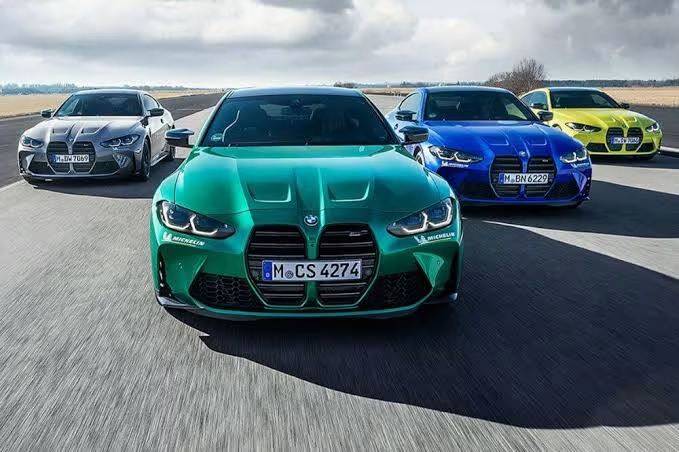
BMW Group reported a decline in global vehicle deliveries during the second quarter of 2026, as a sharp slowdown in China outweighed stronger demand in Europe and growth in electric vehicle sales. The German luxury automaker delivered 621,271 vehicles across its BMW, MINI, and Rolls-Royce brands between April and June, representing a 6.5% year-over-year decline. The results highlight the growing challenges facing premium automakers in China, where domestic electric vehicle (EV) manufacturers continue to capture market share.
China, BMW’s largest single market, remained the biggest drag on the company’s performance during the quarter. Deliveries in the country fell by nearly one-third, underscoring the intense competition and pricing pressure confronting international automakers in the world’s largest automotive market.
China Slump Hits BMW’s Global Performance
BMW attributed much of the decline to weaker demand in China, where local manufacturers have rapidly strengthened their position in both the premium and electric vehicle segments.
Chinese automakers such as BYD, Xiaomi Auto, Li Auto, XPeng, and Nio have introduced technologically advanced vehicles featuring intelligent driving systems, connected-car software, and competitive pricing. As a result, traditional luxury brands are finding it increasingly difficult to maintain market share despite continued investments in new products.
The Chinese auto market has also been characterized by aggressive price competition over the past year, forcing many manufacturers to offer discounts while putting pressure on profit margins
BMW’s Regional Delivery Performance
| Region | Q2 2026 Performance |
|---|---|
| Global Deliveries | 621,271 vehicles (-6.5%) |
| China | Nearly -33% |
| Europe | Growth |
| Americas | Stable to modest growth |
| Key Challenge | Weak demand in China |
While Europe delivered relatively resilient sales and other markets remained comparatively stable, they were unable to offset the steep decline in China.
Electric Vehicle Sales Continue to Grow
Despite the overall decline in deliveries, BMW continued to report growth in battery-electric vehicle (BEV) sales, reflecting strong demand for its expanding portfolio of electric models.
The company has been steadily increasing production of EVs, including the BMW i4, i5, iX, iX1, and electric MINI models, as it prepares for the launch of its next-generation Neue Klasse platform. BMW believes its strategy of offering customers a broad choice of internal combustion, plug-in hybrid, and fully electric vehicles will support long-term growth as global electrification accelerates.
The continued rise in EV deliveries demonstrates that demand for premium electric vehicles remains healthy outside China, even as overall market conditions become more challenging.
Growing Competition From Chinese EV Makers
BMW’s latest results reflect a broader trend affecting nearly all foreign automakers operating in China.
| Key Challenge | Impact on BMW |
|---|---|
| Chinese EV competition | Lower premium vehicle sales |
| Industry-wide price war | Increased pricing pressure |
| Shift toward local brands | Loss of market share |
| Rapid technology adoption | Greater demand for software-focused vehicles |
| Economic uncertainty | Softer consumer spending |
Domestic brands have become increasingly competitive by developing vehicles tailored specifically to Chinese consumers, with advanced digital features, AI-powered cockpit systems, and fast-charging capabilities often offered at lower prices than imported luxury models.
BMW’s Long-Term China Strategy
BMW continues to view China as a strategically important market despite the recent slowdown. The company has expanded local manufacturing through its joint venture with Brilliance Auto and continues investing in localized research and development to better meet Chinese consumer preferences.
The automaker is also strengthening partnerships with Chinese technology companies to improve software capabilities and accelerate the development of intelligent driving features for future vehicles.
These investments form part of BMW’s broader strategy to remain competitive as the Chinese market shifts rapidly toward electrified and software-defined vehicles.
Industry-Wide Challenges Persist
BMW’s weaker quarterly deliveries follow similar reports from other German automakers.
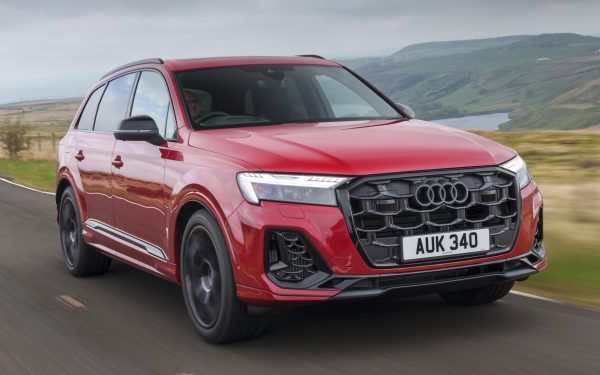
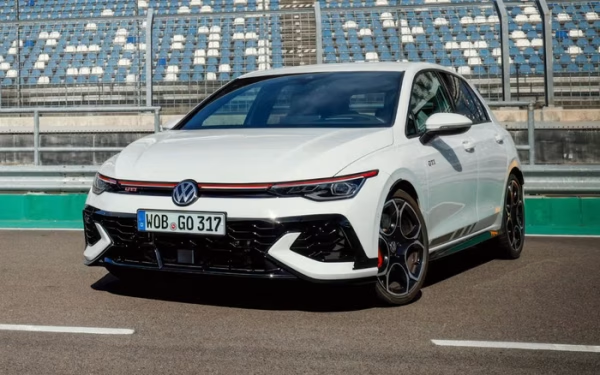
Volkswagen recently reported its largest quarterly delivery decline since 2022 after China sales fell sharply, while Audi also posted weaker first-half deliveries as competition from Chinese EV manufacturers and U.S. tariffs weighed on demand. Together, the results highlight the growing pressure facing Europe’s automotive industry as Chinese brands continue expanding both domestically and internationally.
At the same time, automakers are balancing heavy investments in electrification, autonomous driving technologies, software development, and AI while navigating geopolitical uncertainty and evolving trade policies.
What It Means for the Luxury Auto Market
BMW’s latest delivery figures illustrate how rapidly the competitive landscape is changing in the global automotive industry. China, once the primary growth engine for premium European brands, has become one of their most challenging markets as domestic manufacturers gain technological leadership and pricing advantages.
Although BMW continues to benefit from rising electric vehicle sales and stable demand in Europe, restoring momentum in China will remain critical to its long-term growth. The company’s success with upcoming Neue Klasse models and localized EV strategy is likely to play a major role in determining whether it can regain market share in the world’s largest automotive market.
Get the day’s top stories in your inbox
One concise email. No spam, unsubscribe anytime.