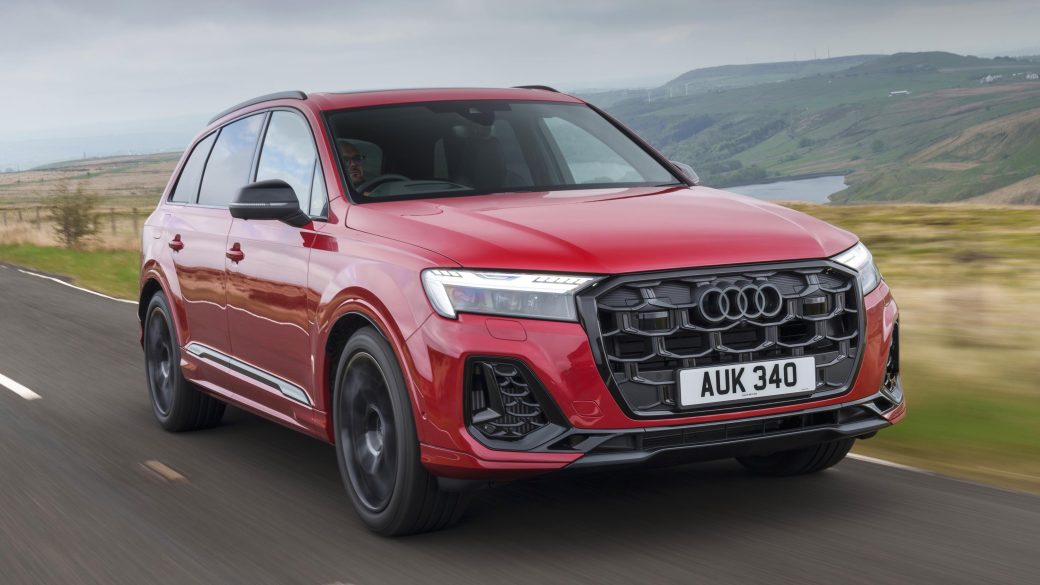
Audi reported a 7% year-over-year decline in global vehicle deliveries during the first half of 2026, as weakening demand in China and the impact of U.S. import tariffs weighed heavily on sales. The premium automaker, part of Volkswagen Group, delivered fewer vehicles across its two largest international markets, highlighting the mounting challenges facing European luxury car brands amid shifting market dynamics and intensifying competition from Chinese electric vehicle (EV) manufacturers.
The results come as Audi continues to navigate a difficult transition toward electrification while dealing with geopolitical tensions, changing government policies, and evolving consumer preferences in key global markets.
China Remains Audi’s Biggest Challenge
China continued to be Audi’s weakest-performing major market during the first six months of the year. Deliveries in the country fell by nearly 20%, reflecting fierce competition from domestic automakers and a challenging pricing environment.
According to Audi, the Chinese market remains “challenging and highly competitive,” with intense price wars, rising fuel prices, and changes to government subsidy policies affecting consumer demand. The rapid rise of Chinese EV manufacturers such as BYD and other local brands has significantly increased pressure on established foreign automakers, particularly in the premium segment.
Unlike previous years, when German luxury brands dominated China’s premium vehicle market, local manufacturers are increasingly attracting buyers with advanced software, intelligent driving technologies, and competitively priced electric vehicles.
U.S. Tariffs Also Weigh on Sales
Audi’s performance was also affected by U.S. import tariffs, which contributed to a roughly 17% decline in North American deliveries during the January-to-June period.
The tariffs have increased costs for imported vehicles while adding uncertainty to purchasing decisions. Combined with slowing demand for premium vehicles and changing EV incentive policies, the trade measures have created additional headwinds for Audi’s North American business.
Audi’s Regional Performance
| Region | First Half 2026 Performance |
|---|---|
| Global Deliveries | -7% year-over-year |
| China | Nearly -20% |
| North America | Around -17% |
| Europe | Relatively more resilient |
| Key Challenges | China competition, U.S. tariffs, pricing pressure |
The figures illustrate how weakness in Audi’s two most important overseas markets outweighed relatively stable performance in Europe.
Growing Competition From Chinese EV Makers
Audi’s declining deliveries reflect broader changes in China’s automotive market, where domestic EV manufacturers have rapidly gained market share.
Companies including BYD, Xiaomi Auto, Li Auto, XPeng, and Nio continue introducing vehicles equipped with advanced digital features, fast-charging technology, and intelligent driver-assistance systems at prices that are often lower than comparable imported luxury vehicles.
At the same time, aggressive discounting across China’s auto industry has intensified competition, making it increasingly difficult for foreign automakers to maintain both sales volumes and profitability.
Audi Accelerates Its China Strategy
To regain momentum, Audi has been expanding its partnerships with Chinese companies while accelerating the development of vehicles specifically designed for local consumers.
The automaker is working closely with long-time partner FAW as well as SAIC to launch new electric models and strengthen its software capabilities. Earlier this year, Audi also announced the establishment of a new AUDI Innovation and Technology Center in Shanghai, aimed at speeding up product development for the Chinese market.
The company believes localized research, development, and production will enable it to respond more quickly to changing consumer preferences and compete more effectively with domestic rivals.
Challenges Extend Beyond China
While China remains Audi’s biggest concern, the company is also navigating broader industry headwinds.
| Key Challenge | Impact on Audi |
|---|---|
| Chinese EV competition | Lower vehicle deliveries and pricing pressure |
| U.S. import tariffs | Higher costs and weaker North American demand |
| Changing subsidy policies | Reduced consumer incentives in key markets |
| Electrification investments | Higher development and manufacturing costs |
| Economic uncertainty | Softer demand for premium vehicles |
These pressures are forcing luxury automakers to balance heavy investments in electric vehicles and software while maintaining profitability in an increasingly competitive market.
Outlook for the Premium Carmaker
Audi continues to roll out one of the largest product renewal programs in its history, including new electric vehicles, updated SUVs, and region-specific models aimed at improving competitiveness in both China and North America.
The company expects these launches, along with stronger localization efforts and expanded partnerships in China, to support a gradual recovery. However, executives acknowledge that pricing pressure and intense competition are likely to remain significant challenges in the near term.
What It Means for the Global Auto Industry
Audi’s latest delivery figures highlight the rapidly changing landscape of the global automotive industry. Traditional luxury brands are facing unprecedented competition from Chinese EV manufacturers, while geopolitical tensions and trade policies continue to reshape international markets.
For Audi, success will increasingly depend on its ability to deliver locally tailored electric vehicles, strengthen its software capabilities, and adapt quickly to changing consumer expectations. As the global transition toward electrification accelerates, the company’s performance in China is likely to remain one of the most important indicators of its long-term competitiveness.
Get the day’s top stories in your inbox
One concise email. No spam, unsubscribe anytime.