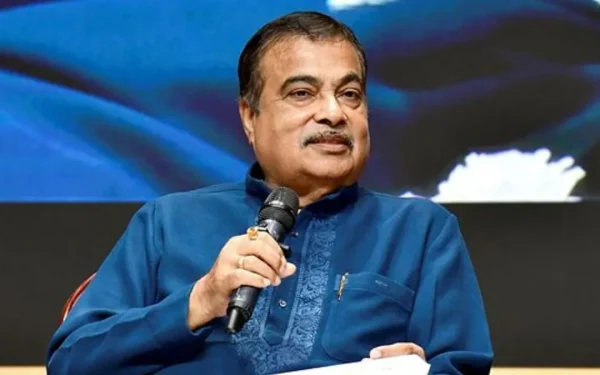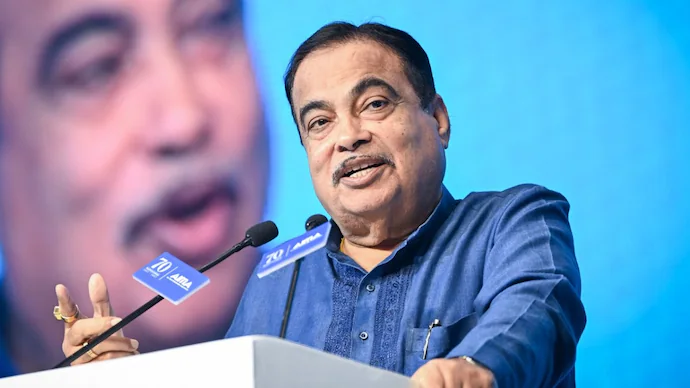
Union Road Transport and Highways Minister Nitin Gadkari has said that automobile manufacturers have agreed to replace damaged washers and certain rubber components in older vehicles at no additional cost if they are found to have been affected by E20 petrol. The announcement comes as India continues expanding the use of 20% ethanol-blended petrol (E20) as part of its strategy to reduce crude oil imports, improve energy security, and promote cleaner transportation.
The assurance is aimed at addressing concerns among owners of older vehicles, some of which may contain rubber or sealing components that were not originally designed to withstand higher ethanol blends. Gadkari emphasized that while most modern vehicles are compatible with E20 fuel, manufacturers have agreed to support customers whose older vehicles experience issues directly linked to the fuel transition.
Free Replacement for Affected Components
According to the minister, manufacturers will replace damaged washers and related parts without charging customers, provided the damage is attributable to the use of E20 fuel.
Key highlights include:
- Damaged washers in eligible older vehicles will be replaced free of cost.
- The measure applies only where damage is linked to E20 fuel compatibility.
- Automakers have agreed to provide customer support during the transition.
- The initiative is intended to ease consumer concerns over ethanol-blended petrol.
The announcement reinforces the government’s commitment to a smooth nationwide rollout of E20 fuel.
Why E20 Fuel Can Affect Older Vehicles
E20 petrol contains 20% ethanol and 80% petrol.
While newer vehicles are generally designed to handle higher ethanol blends, some older models may experience issues because ethanol can interact differently with certain materials.
Components that may be affected include:
- Rubber washers.
- Fuel seals.
- Gaskets.
- Hoses.
- O-rings.
- Other fuel system components in older vehicles.
Most issues, where they occur, are related to ageing materials rather than the engine itself.
India’s Push for Ethanol Blending
India has rapidly expanded ethanol blending over the past few years to reduce dependence on imported crude oil.
The programme aims to:
- Lower oil import bills.
- Improve energy security.
- Reduce greenhouse gas emissions.
- Increase demand for agricultural feedstocks.
- Boost farmers’ incomes.
- Promote cleaner transportation fuels.
The government has consistently stated that ethanol blending remains a long-term national priority.
Impact on Vehicle Owners
For most owners of newer vehicles, the transition to E20 fuel is expected to be seamless.
Owners of older vehicles should:
- Follow the manufacturer’s fuel recommendations.
- Watch for signs of fuel leakage or deterioration of rubber components.
- Visit authorized service centres if any fuel-related issues arise.
- Confirm whether their vehicle qualifies for free replacement if damage is linked to E20 fuel.
Routine maintenance remains important to ensure reliable vehicle performance.
Benefits of E20 Fuel
The wider adoption of E20 petrol offers several potential benefits:
- Reduced dependence on imported crude oil.
- Lower carbon emissions compared with conventional petrol.
- Better utilization of domestically produced ethanol.
- Additional income opportunities for farmers.
- Support for India’s clean energy and climate goals.
- Greater diversification of transportation fuels.
The government expects these benefits to strengthen India’s long-term energy security.
Industry Support for the Transition
Automobile manufacturers have been upgrading vehicles to improve compatibility with higher ethanol blends.
Industry efforts include:
- Designing E20-compatible engines.
- Using ethanol-resistant materials in fuel systems.
- Updating vehicle specifications for future models.
- Supporting customers during the fuel transition.
- Expanding awareness about ethanol-compatible vehicles.
These initiatives are intended to minimize disruption as E20 becomes more widely available across the country.
Outlook
The government’s assurance that manufacturers will replace damaged washers in eligible older vehicles at no extra cost is expected to ease concerns surrounding India’s transition to E20 petrol. While the vast majority of modern vehicles are already compatible with ethanol-blended fuel, the support mechanism provides additional confidence for owners of older models that may require minor component replacements.
As India continues expanding ethanol blending nationwide, collaboration between the government and automobile manufacturers will be essential to ensure a smooth transition. The policy supports the country’s broader goals of improving energy security, reducing fuel imports, and promoting cleaner, more sustainable mobility without placing an undue financial burden on consumers.
Get the day’s top stories in your inbox
One concise email. No spam, unsubscribe anytime.