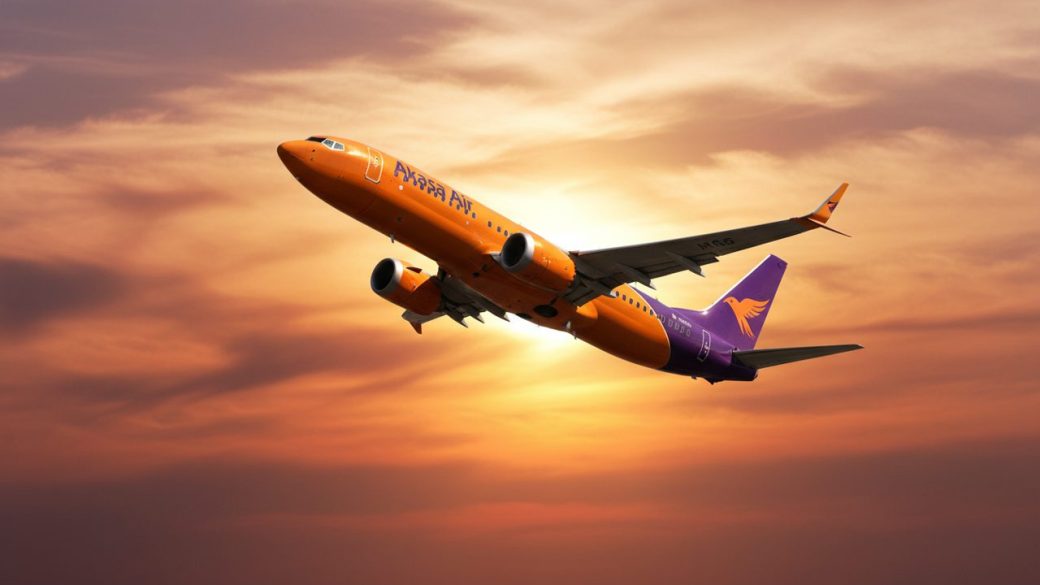
Akasa Air targets over 30% capacity growth in FY27
Akasa Air is planning to grow fast again. The airline is aiming for over 30% capacity growth in FY27, the financial year that ends in March 2027. “Capacity” here simply means how many seats the airline can fly each year. So Akasa wants to carry many more passengers, add more flights, and reach more cities at home and abroad. It plans to do this even though fuel is costly and world events are making travel harder.
According to reports based on comments by the airline’s Chief Financial Officer (CFO), Ankur Goel, Akasa believes its long-term plans are still firmly on track. A CFO is the top money manager of a company. The message from Goel was clear: the big growth plan has not changed, despite the bumps in the road.
What “over 30% capacity growth” really means
Airlines do not measure their size only by the number of planes. They use a figure called Available Seat Kilometres, or ASKs. One ASK is one seat flown one kilometre. It mixes two things together: how many seats you have, and how far you fly them. So if an airline adds bigger routes and more flights, its ASKs go up.
In the last financial year (FY26), Akasa’s capacity measured in ASKs rose about 30%. Now the airline wants to repeat that and push even higher in FY27, with growth likely above 30%. Goel also said the airline expects to keep growing in the range of 30% to 40% each year for the next four to five years.
How big is Akasa Air today?
Akasa Air started flying in 2022, so it is still a young airline. But it has grown quickly. It now runs a fleet of 39 Boeing 737 MAX planes. The 737 MAX is a modern, fuel-saving version of Boeing’s popular single-aisle jet.
The airline flies to 27 cities inside India and 7 cities abroad. About 25% of its flying capacity is now used on international routes. That share is set to rise. The CFO said international flying could grow to about 40% of total capacity over the next few years as Akasa opens more overseas routes.
In India’s busy domestic market, Akasa holds roughly a 5.8% share. That makes it the smallest of the big national players, but it is steadily building its place behind larger rivals.
Key facts at a glance
| Item | Detail |
|---|---|
| FY27 capacity growth target | Over 30% |
| Long-term yearly growth (next 4-5 years) | 30% to 40% |
| FY26 capacity growth (ASKs) | About 30% |
| FY26 operating revenue growth | About 37% |
| Current fleet | 39 Boeing 737 MAX jets |
| Domestic destinations | 27 cities |
| International destinations | 7 cities |
| International share of capacity (now) | About 25% |
| International share (target, coming years) | About 40% |
| India domestic market share | About 5.8% |
Money side: revenue up, but pressures remain
The growth is showing up in the numbers. For the year ended March 31, Akasa’s operating revenue rose about 37%. Operating revenue is the money a company earns from its main business, here mostly from selling flight tickets.
Young airlines often lose money while they grow, and Akasa is no exception. In an earlier fiscal year, the airline reported revenue of about 45.83 billion rupees and a net loss of around 209 million dollars. A net loss simply means the company spent more than it earned over that period. Fast growth, new planes, and staff costs all eat into early profits.
To support airlines, India has a government credit guarantee scheme worth about 181 billion rupees. A credit guarantee means the government promises banks it will help cover a loan if the borrower cannot pay, which makes banks more willing to lend. Goel said Akasa has not drawn any money from this scheme yet. “We have not drawn any funds from the scheme as of now, but this is something we continue to work with the banks on,” he said.
The headwinds Akasa is facing
Reaching over 30% growth will not be easy. The airline named several challenges. Fuel prices are high. Aviation turbine fuel (ATF), the special fuel jets burn, is one of the biggest costs for any airline, so even small price jumps hurt a lot.
There are also geopolitical risks. Tensions in West Asia have forced some flights to take longer paths or avoid certain airspace. Longer routes burn more fuel and add cost. On top of that, Akasa has faced delivery delays from Boeing, which means new planes arrive slower than planned. That can slow growth, because an airline cannot add seats without aircraft.
Even so, the CFO said the long-term plan stands firm. The company believes it has enough financial strength to handle these pressures and keep expanding.
Where Akasa fits in a changing market
Akasa’s bold plan lands at a time when many Indian companies are betting big on the future. Just as carmakers are widening their range of vehicles, Akasa is widening its map of destinations. The same growth energy can be seen in how some firms are reshaping themselves, similar to how a major retail group is pursuing a wide brand portfolio expansion to reach more customers.
India’s middle class is travelling more, both inside the country and overseas. More airline competition usually means more flight choices and, often, better prices for travellers.
FAQ
What is Akasa Air’s growth target for FY27?
Akasa Air is targeting over 30% capacity growth in FY27, the year ending March 2027. It also expects 30% to 40% growth each year for the next four to five years.
How many planes does Akasa Air have?
The airline currently flies 39 Boeing 737 MAX aircraft. It serves 27 domestic cities and 7 international cities.
Is Akasa Air making a profit?
Its operating revenue rose about 37% in the latest year, but the airline has reported net losses in earlier years, which is common for young, fast-growing carriers.
What problems could slow its growth?
High fuel prices, geopolitical tensions in West Asia, and aircraft delivery delays from Boeing are the main challenges the airline has flagged.
Why it matters (especially for India and founders)
Akasa’s story is a useful lesson for Indian founders. The airline is choosing to grow boldly even when the conditions are tough. It is keeping its long-term plan steady instead of cutting back at the first sign of trouble. That kind of patient, focused growth is hard to copy but powerful when it works.
For India, a strong young airline means more flights, more jobs, and better links between cities and countries. As Akasa raises its international share toward 40%, it can help carry more Indian travellers abroad and bring more visitors in. Healthy competition in the skies tends to benefit ordinary passengers most of all.
The takeaway
Akasa Air wants to fly higher and faster, targeting over 30% capacity growth in FY27 and similar growth for years to come. Rising fuel costs, world tensions, and Boeing delays stand in the way. But the airline says its long-term plan is firm. If it pulls this off, Akasa could become a much bigger force in India’s skies.