Adani Nuclear Power Push Powers AI-Led Infrastructure Plan
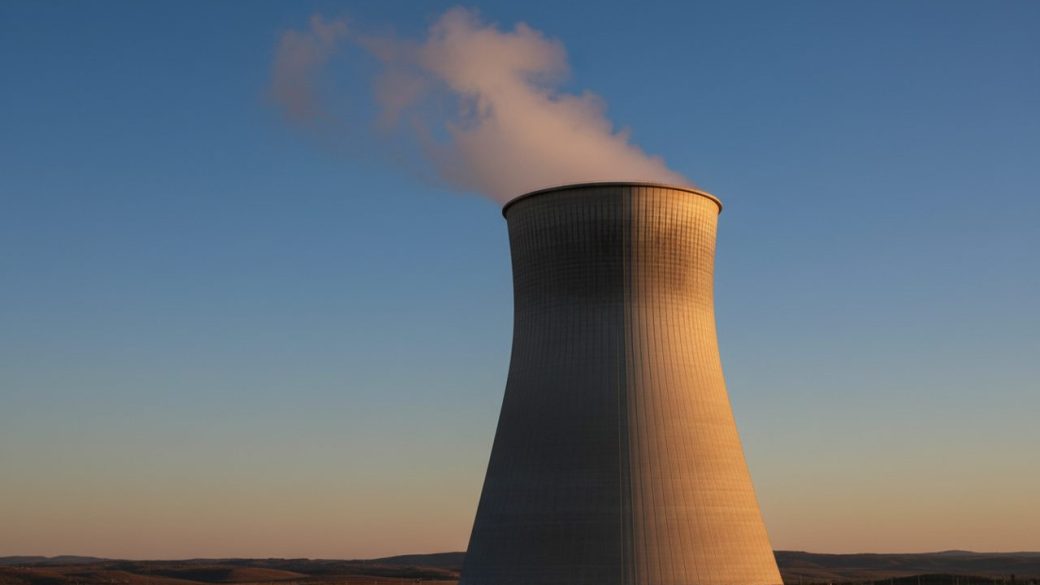
The Adani nuclear power push is now the heart of the group’s next big plan. At its 2026 annual meeting, the Adani Group said it will build huge nuclear plants to feed a fast-growing need for electricity. That power will run new data centres for artificial intelligence (AI). In simple words, AI needs a lot of power, and Adani wants to make sure that power is ready. The group set bold targets for nuclear energy, data centres, and clean power, all at once.
Let us break this down in plain language. “Nuclear power” means making electricity by splitting atoms inside a special plant. It runs day and night and gives off very little carbon. “AI infrastructure” means the buildings, computers, and power systems that AI tools need to work. “Data centres” are large halls full of powerful computers. AI runs inside them, and they are very hungry for electricity. Adani’s plan ties these pieces together.
What Adani announced
The group plans to enter nuclear energy through a new arm called Adani Atomic Energy. The target is big: 10 gigawatts (GW) of nuclear power capacity by 2035. A gigawatt is a unit of power. One gigawatt is roughly enough to light up a large city. So 10 GW is a serious amount of always-on electricity.
On the AI side, Adani is building a 3 GW data-centre platform by 2030. Demand from AI and cloud computing is driving this. The group also signed a binding deal with Google for a gigawatt-scale project in Visakhapatnam. “Binding” means it is a firm agreement, not just a plan on paper. This links India’s data-centre growth directly to global AI demand.
The money behind the plan
The numbers are large. In the 2026 financial year, the Adani Group invested more than Rs 1.5 lakh crore in infrastructure. That was over 30% of all new private-sector “capex” in India for the year. Capex is short for capital expenditure, the money a company spends to build long-term assets like plants, ports, and power lines.
For power alone, Adani Power is running an expansion plan worth more than Rs 2 lakh crore. The goal is to build 45 GW of generation capacity over the next five years. That power will support both homes and the new AI data centres. The group also reported FY26 revenue of about Rs 2.92 lakh crore, with profit after tax of around Rs 46,376 crore.
Key facts at a glance
| Plan | Target | Timeline |
|---|---|---|
| Nuclear power (Adani Atomic Energy) | 10 GW | By 2035 |
| Data-centre platform | 3 GW | By 2030 |
| Adani Power capacity | 45 GW (over Rs 2 lakh crore capex) | Next 5 years |
| FY26 infrastructure investment | Rs 1.5 lakh crore+ (over 30% of India’s private capex) | FY26 |
| Bhutan hydropower (with Druk Green) | 5,000 MW | Joint development |
Why nuclear power and AI go together
AI data centres run all day and all night. They cannot pause when the sun sets or the wind drops. Solar and wind power are clean, but they come and go with the weather. That makes it hard to power data centres on green energy alone. Nuclear power solves this. It runs around the clock and gives off very little carbon. This steady supply is called “baseload” power.
So the plan has a simple logic. AI needs huge, steady electricity. Nuclear gives huge, steady, low-carbon electricity. By pairing the two, Adani aims to power India’s AI boom without burning more coal. The group is also adding clean power abroad, including a plan with Bhutan’s Druk Green Power Corporation to build 5,000 MW of hydropower together.
This push is part of a worldwide race to build AI and chip capacity. Other big players are spending heavily too, from chipmakers eyeing public listings to whole nations betting on future technology. See our coverage of how SK Hynix is set for a Nasdaq debut with a $29bn bet for a sense of the global money flowing into this space.
FAQ
How much nuclear power does Adani plan to build?
Adani plans 10 GW of nuclear power capacity by 2035, through a new arm called Adani Atomic Energy. That is a large amount of always-on, low-carbon electricity.
Why does AI need so much power?
AI runs inside data centres packed with powerful computers. These run non-stop and use a lot of electricity. More AI use means more data centres, and more data centres mean a much bigger demand for steady power.
What is the Google deal about?
Adani signed a binding agreement with Google for a gigawatt-scale data-centre project in Visakhapatnam. It connects India’s data-centre buildout to global AI and cloud demand.
Why it matters (especially for India / founders)
This plan could shape India’s tech future. If big, reliable power and data centres get built at home, Indian startups can train and run AI tools locally instead of renting costly servers abroad. That can lower costs and speed up new products. It can also create jobs in construction, power, and software.
For founders, the message is clear. AI is moving from software into hard things like power plants, chips, and buildings. Countries that build this base early may lead the next wave. Others are doing the same, as our look at Japan’s trillion-dollar bet on chips and space shows. India joining this race is a big deal.
The takeaway
The Adani nuclear power push marks a bold new direction. The group wants to pair always-on nuclear power with AI-ready data centres, backed by huge spending. The targets, 10 GW of nuclear by 2035 and a 3 GW data-centre platform by 2030, are ambitious. Building nuclear plants takes years and careful approvals, so the real test will be delivery. But the plan shows that India’s biggest infrastructure players now see AI and power as one shared mission.