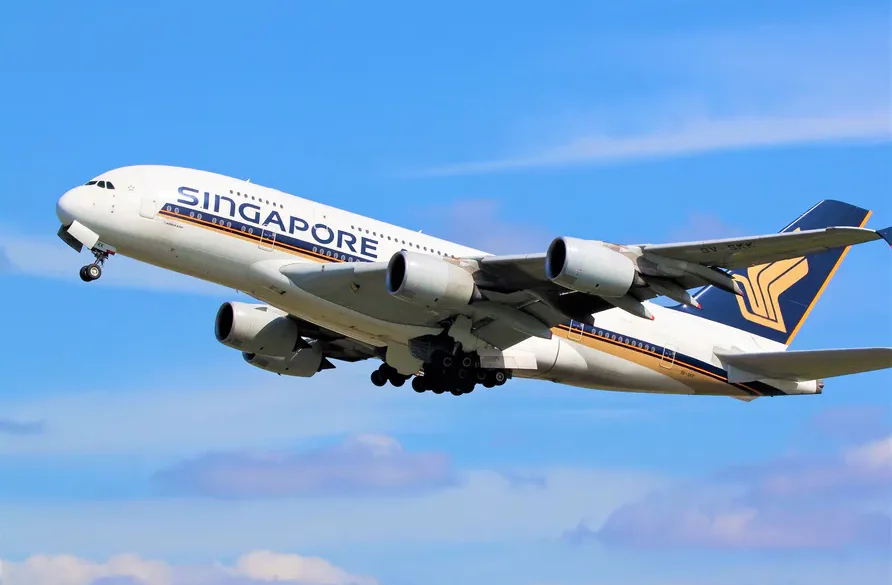
Singapore Airlines fund infusion is the big question around Air India right now. Singapore Airlines fund infusion means fresh cash that the airline could put into Air India if needed. Air India is still losing money, so investors want to know who may help pay for its turnaround.
Key takeaways
- Singapore Airlines says it will study any Singapore Airlines fund infusion carefully.
- Air India remains loss-making, even after a large merger and fleet upgrade plan.
- Singapore Airlines owns 25.1% of Air India, while Tata Group holds the rest.
- Any new cash decision will likely depend on Air India’s business plan and funding need.
Why is Singapore Airlines fund infusion in the news?
Singapore Airlines said it would carefully review any request to put more money into Air India. That matters because Air India is in the middle of a costly rebuild. The airline is merging systems, fixing service, and ordering planes, so it needs a lot of cash.
A fund infusion is new money put into a company. In simple terms, it helps pay bills, fund growth, or cover losses. According to public comments reported from Singapore Airlines management, the company is not saying yes yet. But it is not shutting the door either.
That middle position is important. It tells markets that support is possible, but not automatic. Singapore Airlines wants to see the numbers first, because Air India still has to prove its recovery plan can work.
How much of Air India does Singapore Airlines own?
Singapore Airlines owns 25.1% of Air India. Tata Group owns the other 74.9%. A stake is an ownership share in a company. So Singapore Airlines is a major partner, but Tata still controls the final call.
The current structure came after Air India and Vistara merged in 2024. Vistara was the joint venture between Tata and Singapore Airlines. A joint venture is a business owned by two partners. After the merger, Singapore Airlines received its 25.1% stake in the enlarged Air India group.
That deal gave Singapore Airlines a direct link to India’s fast-growing air travel market. India is one of the world’s fastest-growing aviation markets. More people are flying each year, both inside the country and abroad.
Why does Air India need more money?
Air India is trying to rebuild almost everything at once. It is upgrading cabins, training staff, improving technology, and combining airlines into one operation. That kind of reset is expensive, and losses can rise before results show up.
The airline has also placed one of the biggest aircraft orders in aviation history. In 2023, Air India announced deals for 470 aircraft from Airbus and Boeing. An aircraft order is a plan to buy planes over several years. Those planes can lift growth, but they also create huge funding needs.
Air India’s merger work adds another layer. It folded together Air India, Vistara, AIX Connect and Air India Express businesses. Mergers can save money later, but they often cost more in the short run because systems, routes and staff need to be aligned.
There is also the simple fact of losses. A loss means a company spends more than it earns. If losses continue for too long, owners may need to inject more capital, which is money used to support the business.
Air India: key numbers47025.1%2024Plane orderSIA stakeMerger year
What would Singapore Airlines look at before putting in cash?
First, it would likely look at Air India’s future cash need. Cash burn means how fast a company uses up money. If the burn rate is high, owners may have to act sooner.
Second, it would study whether the turnaround is on track. A turnaround is a plan to fix a weak business. That includes better flight punctuality, stronger yields, and smoother integration. Yield is the average money earned per passenger.
Third, it would ask whether new money would create value. In plain words, will this cash help Air India become stronger later? Investors do not just want to plug holes forever.
Here is the clearest way to say it: Singapore Airlines fund infusion is possible, but it will depend on Air India’s funding gap, recovery progress, and the terms of any new capital plan.
How big is the challenge for Air India?
It is big. Air India wants to compete with top global carriers on long-haul routes. Long-haul means very long international flights, like India to Europe or North America. That takes newer planes, better seats, better service, and strong on-time performance.
Meanwhile, competition is intense at home too. IndiGo dominates India’s domestic market. Air India therefore has to improve while fighting on price, service, and network strength at the same time.
There are hard industry costs as well. Fuel prices can jump fast. Currency moves can hurt airlines because many bills, like aircraft lease and maintenance costs, are tied to the US dollar. For a simple look at currency pressure, read our piece on the RBI swap facility.
| Air India fact | What it means |
|---|---|
| 25.1% SIA stake | Singapore Airlines is a key partner, not the controlling owner |
| 74.9% Tata stake | Tata Group leads major decisions |
| 470 aircraft order | Large growth plan, but high funding need |
| Loss-making operations | Fresh capital may be needed if losses continue |
What does this mean for passengers and staff?
For passengers, more funding could help Air India speed up improvements. That may mean cleaner cabins, better apps, fewer delays, and more reliable service. But money alone does not fix an airline. Execution matters more.
For staff, a stronger balance sheet can bring stability. A balance sheet is a snapshot of what a company owns and owes. If owners stay supportive, workers may feel more confident about fleet growth and long-term plans.
Still, no one should expect an instant change. Airline turnarounds usually take years, not months. For example, plane refits, route changes, and staff training all take time.
Why does this matter beyond one airline?
This story is bigger than Air India because India’s aviation market is expanding fast. More people are entering the middle class and choosing flights over long train trips. Airports are also growing, though not always evenly. You can see a related growth picture in sectors like core infrastructure growth.
If Air India gets its strategy right, India could have a stronger full-service global carrier. Full-service means an airline that offers more features than a budget airline, such as lounges, better meals, and multiple cabin classes. That could change competition on major international routes.
Investors will also watch how Tata funds its wider consumer and industrial businesses. Capital choices matter across a group. We saw similar focus in our report on how Reliance Consumer Products turned EBITDA positive. EBITDA is a profit measure before some major costs. It gives a rough view of core business health.
Where can readers check the original company information?
The most reliable sources are company statements and exchange filings. Readers can track Singapore Airlines updates on the Singapore Airlines website. They can also follow Air India announcements on the Air India website.
Those primary sources matter because headlines can move fast. Official statements usually show the exact wording, and wording matters a lot in finance news.
FAQs
What is Singapore Airlines fund infusion?
It means fresh money that Singapore Airlines could invest in Air India. Companies do this to support growth, cover losses, or strengthen operations.
Why does Air India need cash?
Air India is merging businesses, upgrading planes and cabins, and still dealing with losses. All of that costs a lot of money.
Who controls Air India now?
Tata Group controls Air India with 74.9%. Singapore Airlines owns 25.1%, so it is an important partner but not the main owner.
Get the day’s top stories in your inbox
One concise email. No spam, unsubscribe anytime.