Key takeaways
- HDFC Bank shares dropped more than 7% across two trading sessions after the bank reported Q1 earnings.
- Investors focused on margins, costs and the speed of the bank’s post-merger recovery.
- A share-price fall does not by itself mean the bank is in trouble.
- The next few quarterly updates will show whether growth and profit quality improve together.
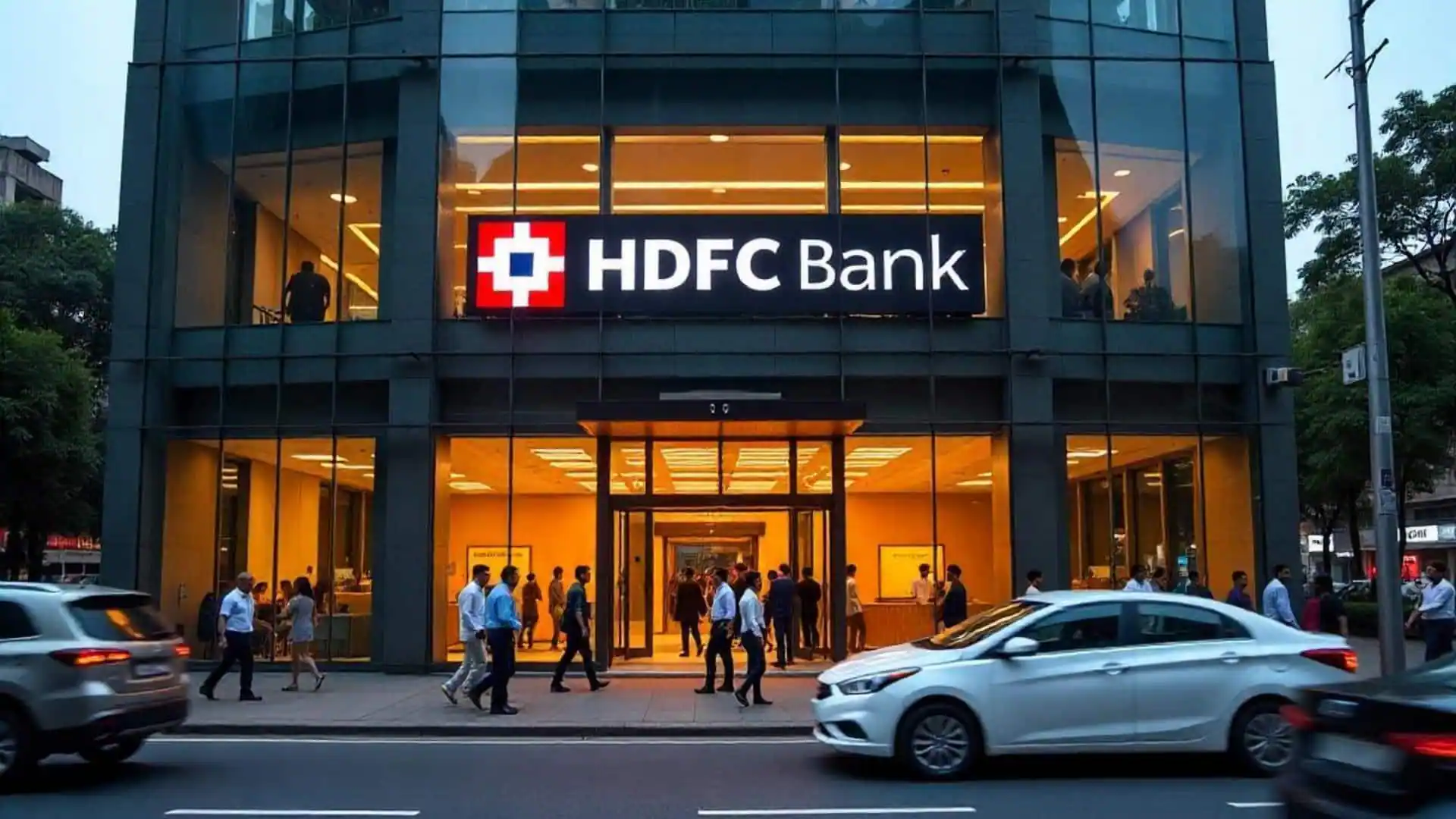
The HDFC Bank share price fell over 7% in two days after the bank’s Q1 earnings update. HDFC Bank shares are small ownership units in India’s largest private lender. The fall showed that investors wanted stronger signs of progress. They were judging the future, not only the latest quarter.
Why did the HDFC Bank share price fall after Q1 earnings?
The market reaction came after investors studied the details behind the Q1 numbers. A quarterly result can look fine at first glance. But traders also check how much a bank earns on loans, how much it pays for deposits, and whether costs are rising. Our earlier report on the bank’s Q1 results, where profit rose 5% but net interest income slipped, sets out the numbers behind that reaction.
The stock lost more than ₹7 for every ₹100 of market value in those two sessions. That is a sharp move for a large bank. It suggests many investors changed their view at the same time. It also follows an earlier episode when HDFC Bank shares fell over 4% on a Q1 estimate miss.
The bank is still working through the effects of its merger with HDFC Ltd. That deal made the bank larger, but it also changed its funding mix. Funding mix means where a bank gets the money it lends, such as deposits or borrowed funds.
What did investors want from the Q1 earnings?
Investors wanted proof that the bank could grow loans while protecting its margin. A margin is the gap between interest earned on loans and interest paid on deposits. A wider gap usually helps a bank make more money.
They also watched deposit growth. Deposits are the money customers keep in savings accounts and fixed deposits. Banks need enough deposits because they use much of that money to make loans.
After a big merger, investors often expect a short period of strain. Still, they want that strain to ease over time. If deposit growth trails loan growth for too long, a bank may need costlier money.
| Two-session move after Q1 earnings | Illustrative value |
|---|---|
| Starting value | ₹100 |
| After two days | Below ₹93 |
| Reported decline | More than 7% over two trading sessions |
The table uses a simple ₹100 example. A fall of more than 7% would take that value below ₹93. The actual rupee price changes with the share’s market price.
Which numbers matter most for the bank now?
One quarter cannot settle the full story. Yet it can change expectations fast, especially for a widely owned stock. Investors will now compare the next set of figures with Q1.
| Item to watch | Why it matters |
|---|---|
| Share move | More than 7% down in two days shows a strong reaction. |
| Loan growth | It shows how quickly the bank is lending money. |
| Deposit growth | It shows whether the bank has steady, lower-cost funding. |
| Margin trend | It shows how much lending income remains after funding costs. |
Loan growth matters because lending is a bank’s main business. However, fast lending is not enough on its own. The bank must also avoid bad loans and keep funding costs under control.
Bad loans are loans that borrowers have stopped repaying. Banks set aside money for possible losses from them. That set-aside is called a provision, and it can lower profit.
Is this part of a wider bank-stock worry?
Bank stocks often move when interest-rate views change. If rates fall, loan yields may come under pressure. Loan yield means the interest a bank receives from borrowers.
Competition for deposits can also squeeze margins. Customers may move money when another bank offers a better fixed-deposit rate. So lenders must balance growth, rates and profit at once. Cost discipline is a sector-wide theme — peers are managing headcount closely, as seen in the workforce decline at ICICI Bank.
The Reserve Bank of India sets key policy rates and watches the health of banks. Readers can track its official data and policy statements at the Reserve Bank of India. Listed-company filings are also available through the BSE page for HDFC Bank.
What should investors watch after the sell-off?
The next results will matter more than one rough market week. Investors will look for steady deposit growth, a better funding mix, and stable margins. They will also check whether operating costs start to ease.
Operating costs are the money spent to run branches, pay staff and build technology. Higher costs can be sensible during expansion. But they need to lead to stronger income later.
HDFC Bank’s two-day share fall shows that investors want clear progress in deposits, margins and merger-related costs, not just growth in the size of the bank.
A 7% slide can feel alarming, but share prices move on expectations. The bank remains a major lender with a huge customer base. The key question is whether later quarters make investors more confident about its earnings path.
Frequently Asked Questions
Why did the HDFC Bank share price drop more than 7%?
Investors reacted to the Q1 earnings and the details behind them. They wanted clearer signs of improving margins, faster deposit growth and lower merger-related costs, and the two-session fall reflected a broad change of view rather than a single disclosure.
What does a 7% fall mean for an HDFC Bank investor?
A ₹100 holding would be worth less than ₹93 after a fall of over 7%. That is arithmetic, not a forecast — a past move does not predict the next one, and this article is news reporting rather than investment advice.
Is there a reliable HDFC Bank share price target?
No target is confirmed here. Brokerages publish their own estimates and they differ widely, so treat any single figure with caution. The next quarterly results — loan growth, deposit growth and the margin trend — will be the main checkpoint for investors.
Get the day’s top stories in your inbox
One concise email. No spam, unsubscribe anytime.