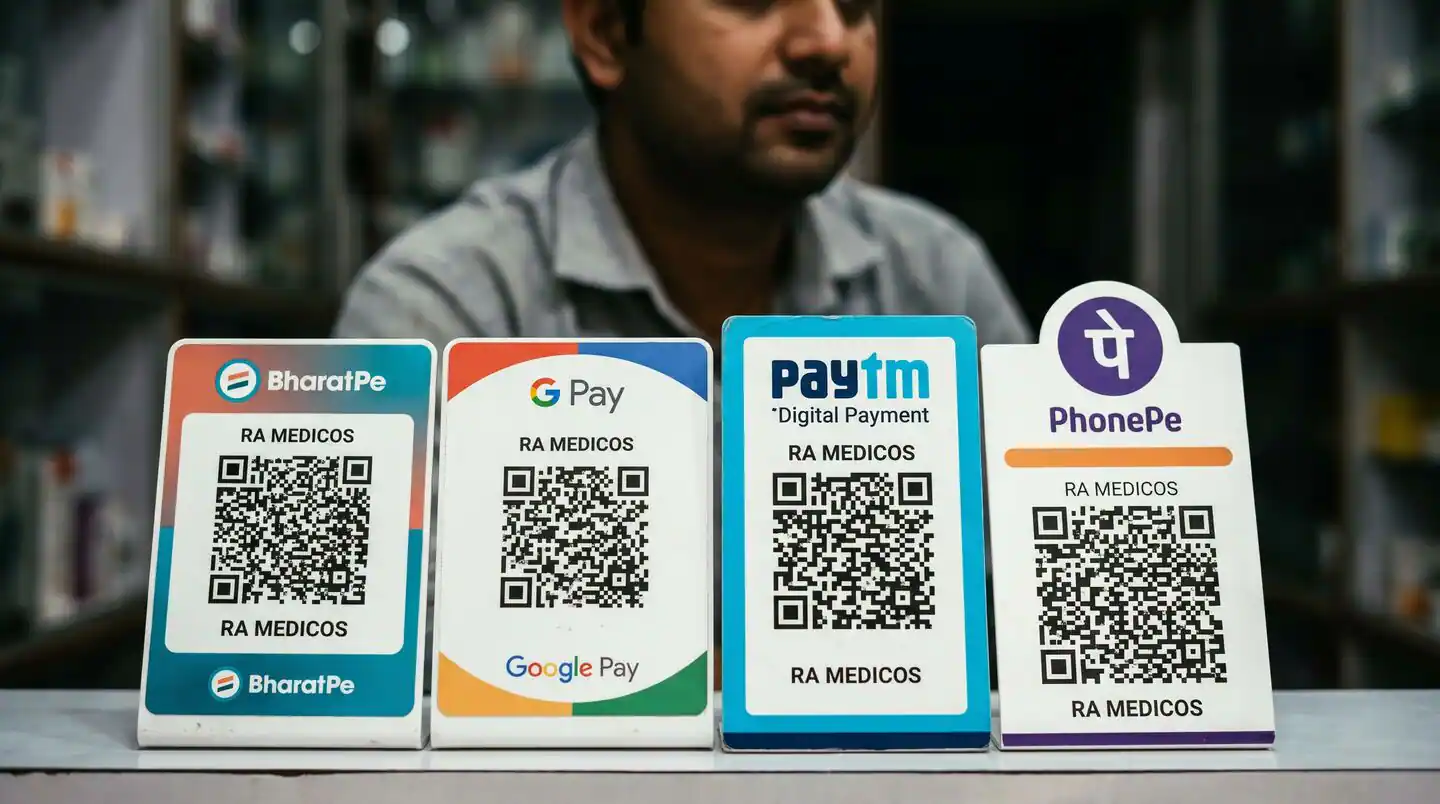
The Government of India is reportedly considering the return of a Merchant Discount Rate (MDR) for large-value UPI transactions, with the fee likely to be set at 5–7 basis points (0.05%–0.07%). The proposal, which is still under discussion, aims to create a sustainable revenue model for banks and payment service providers while ensuring that small merchants continue to enjoy free digital payment services.
If approved, the move would mark the first significant change to UPI’s zero-MDR policy since the government waived merchant charges on RuPay debit cards and UPI transactions in 2020. The proposal is expected to apply only to larger merchants, with smaller businesses likely to remain exempt.
Government Weighs 5–7 Basis Point UPI Merchant Fee
The proposal seeks to balance digital payment growth with ecosystem sustainability.
| Key Highlights | Details |
|---|---|
| Payment system | Unified Payments Interface (UPI) |
| Proposed MDR | 5–7 basis points (0.05%–0.07%) |
| Likely applicability | Large merchants |
| Small merchants | Expected to remain exempt |
| Status | Proposal under government consideration |
No final decision has been announced, and the proposal remains subject to government approval.
What Is Merchant Discount Rate (MDR)?
MDR is the fee merchants pay to accept digital payments.
The charge helps cover costs related to:
- Payment processing.
- Banking infrastructure.
- Fraud prevention.
- Transaction settlement.
- Payment gateway services.
- Technology investments.
Currently, UPI transactions do not attract MDR for merchants under the government’s zero-fee policy.
Why the Government Is Considering the Move
Several factors are driving the proposal.
These include:
- Improving the financial sustainability of the UPI ecosystem.
- Supporting banks and payment service providers.
- Funding continued investment in payment infrastructure.
- Maintaining rapid growth in digital payments.
- Reducing dependence on government incentive payouts.
Industry participants have long argued that a zero-MDR framework makes it difficult to recover operational costs associated with processing billions of UPI transactions.
Who Could Be Affected?
| Merchant Category | Likely Impact |
|---|---|
| Small merchants | Expected to remain exempt |
| Large businesses | May pay 5–7 bps MDR |
| Consumers | No direct charge expected |
| Banks and payment firms | Additional revenue opportunity |
The proposal is designed to protect small businesses while introducing a limited fee for larger commercial entities.
Impact on the Digital Payments Ecosystem
If implemented, the policy could:
- Strengthen payment infrastructure funding.
- Improve profitability for banks.
- Benefit payment service providers.
- Support future UPI innovation.
- Reduce reliance on government subsidies.
Industry experts believe a modest MDR could improve the long-term sustainability of India’s digital payments ecosystem without significantly affecting merchant adoption.
Challenges Ahead
Several questions remain unresolved.
These include:
- Defining which merchants qualify as “large.”
- Finalizing the MDR rate.
- Industry consultation and implementation timelines.
- Balancing affordability with ecosystem sustainability.
- Ensuring continued UPI adoption.
The government is expected to consult stakeholders before making a final decision.
Outlook
The proposal to introduce a 5–7 basis point MDR for large UPI merchants reflects the government’s attempt to balance two important objectives: preserving UPI’s rapid growth while ensuring that banks and payment providers have a viable economic model to support continued investment in infrastructure. With UPI handling billions of transactions each month, maintaining a sustainable ecosystem has become increasingly important.
If implemented, the policy would represent a targeted approach rather than a return to broad-based merchant fees. By limiting the charge to larger businesses and protecting small merchants, the government aims to maintain financial inclusion while addressing long-standing industry concerns over the cost of operating the world’s largest real-time digital payments network.
What It Means for India’s Digital Payments Industry
A limited MDR on large merchants could mark the next phase of UPI’s evolution from a government-supported payment system to a more commercially sustainable ecosystem. Additional revenue could encourage further investment in security, infrastructure, innovation, and new payment services.
For merchants, the impact would depend on the final eligibility criteria and fee structure. For banks, fintech firms, and payment processors, even a modest MDR could improve economics while supporting continued expansion of India’s rapidly growing digital payments landscape.
Get the day’s top stories in your inbox
One concise email. No spam, unsubscribe anytime.