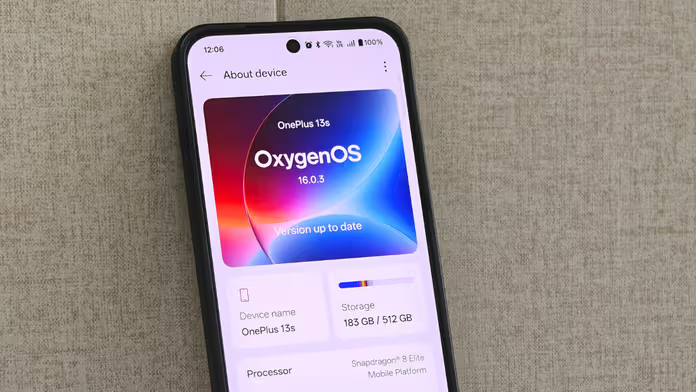
OnePlus is reportedly planning to phase out OxygenOS and transition future devices to Oppo’s ColorOS as part of a broader software integration strategy within the OPlus ecosystem. The move is expected to streamline software development, accelerate feature rollouts, reduce engineering costs, and create a more unified operating system across OnePlus and Oppo smartphones. While the companies have not officially announced a timeline, reports suggest the transition could begin over the next few product generations. (gizmochina.com)
OxygenOS has long been regarded as one of Android’s most popular user interfaces because of its clean design and near-stock Android experience. However, following the merger of OnePlus and Oppo’s software teams in recent years, the two operating systems have increasingly shared the same underlying codebase, with only minor regional and branding differences.
OnePlus May Retire OxygenOS
The reported move marks the biggest software transition in the brand’s history.
| Key Highlights | Details |
|---|---|
| Company | OnePlus |
| Software to be phased out | OxygenOS |
| Replacement | Oppo ColorOS |
| Objective | Unified software platform |
| Status | Reported, not officially confirmed |
The integration is aimed at simplifying software development while improving ecosystem consistency. (gizmochina.com)
Why OnePlus Is Making the Shift
Several strategic factors are driving the reported transition.
These include:
- Unified software development across OnePlus and Oppo.
- Faster software updates.
- Reduced engineering and maintenance costs.
- Shared AI feature development.
- Improved ecosystem integration.
- Consistent user experience across OPlus brands.
Maintaining a single software platform allows both brands to focus resources on innovation rather than supporting parallel operating systems.
OxygenOS vs. ColorOS
| Feature | OxygenOS | ColorOS |
|---|---|---|
| Design philosophy | Clean, near-stock Android | Feature-rich, highly customized |
| Target audience | OnePlus users | Oppo users |
| Codebase | Increasingly shared | Shared with OxygenOS in recent years |
| Future | Reportedly being phased out | Expected unified platform |
Although the interfaces have become increasingly similar, many OnePlus users continue to value OxygenOS for its minimalist experience.
What It Means for Users
If the transition moves forward, users could see:
- A single software experience across OnePlus and Oppo devices.
- Faster feature rollouts.
- Better AI integration.
- Improved cross-device ecosystem functionality.
- Reduced software fragmentation.
Existing devices are expected to continue receiving software support according to OnePlus’ update policy, though future flagship models may adopt the unified interface.
Why This Matters
The software integration reflects broader trends in the smartphone industry.
Major manufacturers are increasingly:
- Consolidating software platforms.
- Investing in AI-powered operating systems.
- Building integrated device ecosystems.
- Reducing software development costs.
- Delivering synchronized updates across product lines.
A unified operating system could help OnePlus and Oppo compete more effectively with Apple, Samsung, Xiaomi, and Google.
Challenges Ahead
Despite the potential benefits, the reported move presents several challenges.
These include:
- Preserving the OnePlus brand identity.
- Addressing concerns from long-time OxygenOS users.
- Managing the transition for existing customers.
- Ensuring software stability.
- Maintaining update quality across a larger device portfolio.
User acceptance will likely depend on whether the unified software retains the speed and responsiveness that helped establish OxygenOS’ reputation.
Outlook
The reported transition from OxygenOS to ColorOS represents another step in the ongoing integration of OnePlus and Oppo following the consolidation of their engineering teams. By moving to a common software platform, the companies aim to streamline development, accelerate innovation, and strengthen their broader ecosystem strategy, particularly as AI becomes a central feature of modern smartphones. (gizmochina.com)
While the shift could deliver faster updates and deeper ecosystem integration, it also carries risks. OxygenOS has been a defining element of the OnePlus brand for years, and any perceived loss of its distinctive user experience may face resistance from loyal customers. The success of the transition will depend on balancing operational efficiency with the expectations of OnePlus users.
What It Means for the Smartphone Industry
The reported move underscores a broader industry trend toward software consolidation. As smartphone makers invest heavily in AI, cross-device connectivity, and ecosystem services, maintaining separate operating systems has become increasingly expensive and complex.
For consumers, unified software platforms can bring faster updates and more consistent features across devices. For manufacturers, they offer lower development costs, quicker deployment of new technologies, and stronger ecosystem integration—factors that are becoming increasingly important in the highly competitive global smartphone market.
Get the day’s top stories in your inbox
One concise email. No spam, unsubscribe anytime.