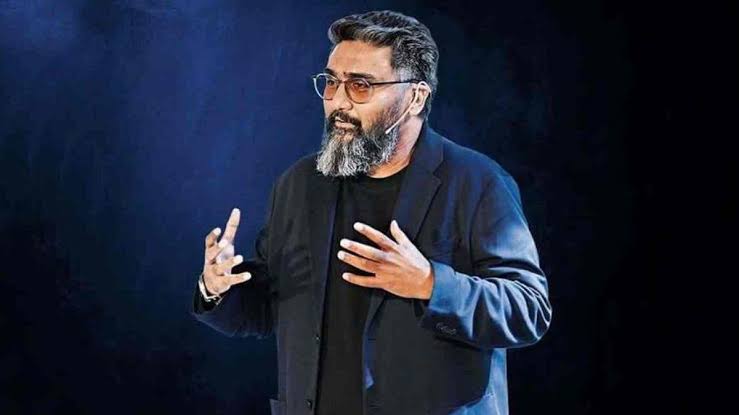
CRED founder Kunal Shah has stepped down as the company’s promoter and resigned from its board of directors following his appointment to a senior leadership role at Meta, where he now leads WhatsApp globally. Despite relinquishing his formal management responsibilities, Shah will continue to be one of CRED’s largest shareholders, retaining an estimated 20% ownership through his personal holdings and family investment vehicle.
According to filings reviewed by media reports, Shah converted his promoter shareholding into public shareholding on June 22, formally ending his promoter status. The governance transition comes shortly after Meta’s reported investment in CRED, which valued the fintech company at approximately $4.5 billion, marking a new phase in CRED’s evolution under a revised leadership structure.
Kunal Shah Exits CRED’s Promoter Group
The move marks the biggest governance change since CRED was founded.
| Key Highlights | Details |
|---|---|
| Company | CRED |
| Founder | Kunal Shah |
| Change | Steps down as promoter and board member |
| New role | Global WhatsApp leadership at Meta |
| Shareholding | Retains around 20% stake |
While Shah is no longer involved in CRED’s formal governance, he remains one of the company’s largest shareholders.
Why Kunal Shah Stepped Down
The leadership transition follows Shah’s move to Meta.
Key developments include:
- Appointment to a senior global leadership role overseeing WhatsApp.
- Resignation from CRED’s board of directors.
- Exit from the company’s promoter group.
- Conversion of promoter shares into public shareholding.
- Continued ownership through personal and family investment entities.
What Changes at CRED?
| Area | Impact |
|---|---|
| Promoter status | Kunal Shah exits |
| Board membership | Resigned |
| Ownership | Continues as major shareholder |
| Company operations | Leadership transition underway |
| Governance | New board structure |
The company has indicated that day-to-day management will continue under the existing leadership team as governance responsibilities shift.
Why This Matters
The transition is significant because:
- It separates founder ownership from operational management.
- It reflects increasing professionalization of startup governance.
- It allows Shah to focus on his new responsibilities at Meta.
- It provides continuity through his continued equity ownership.
- It comes alongside fresh strategic investment in CRED.
Impact on CRED
The governance change is expected to:
- Strengthen corporate governance.
- Ensure continuity under the current management.
- Maintain founder alignment through share ownership.
- Support long-term strategic planning.
- Position the company for its next phase of growth.
Industry observers view founder transitions as a common evolution for mature technology companies preparing for future expansion or capital market opportunities.
Challenges Ahead
Despite the transition, CRED continues to face several priorities.
These include:
- Sustaining user growth.
- Expanding financial services offerings.
- Improving profitability.
- Managing increased competition in fintech.
- Executing under a new governance structure.
Maintaining business momentum while ensuring a smooth leadership transition will be closely watched by investors.
Outlook
Kunal Shah’s decision to step down as CRED’s promoter and board member marks the formal completion of his transition from founder-operator to strategic shareholder following his move to Meta. Although he is no longer involved in the company’s governance, his continued ownership ensures he remains financially aligned with CRED’s long-term success.
For CRED, the change represents an important governance milestone as the fintech company enters a new phase of growth. The combination of professional management, continued founder shareholding, and fresh strategic investment could help strengthen the company’s position as it expands its financial services ecosystem and prepares for future opportunities.
What It Means for India’s Startup Ecosystem
Founder transitions from operational leadership to strategic ownership are becoming more common as Indian startups mature. Such changes often signal stronger corporate governance, greater management depth, and increased readiness for large-scale expansion or eventual public market participation.
For the broader fintech sector, CRED’s leadership transition demonstrates how founders can continue creating value through ownership and strategic influence while pursuing leadership opportunities elsewhere in the global technology industry.
Get the day’s top stories in your inbox
One concise email. No spam, unsubscribe anytime.