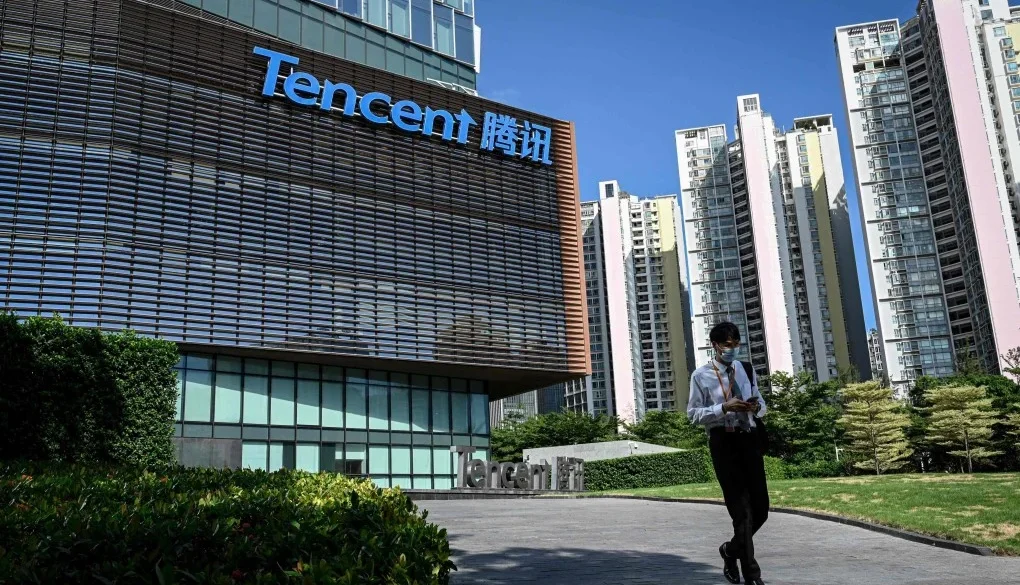
Tencent Mobility, a wholly owned subsidiary of tech giant Tencent Holdings, has raised approximately $1.505 billion through a massive off-market block trade of its shares in Chinese short-video operator Kuaishou Technology.
The transaction marks Tencent’s largest-scale divestment from Kuaishou to date, sending immediate ripple effects through the broader consumer technology and social media market.
1. The Financial Details & Pricing Structure
According to the final terms of the deal, Tencent divested a sizable chunk of its holdings directly following Monday’s market close:
- Share Volume & Price: The Tencent unit sold 272.9 million Kuaishou Class B shares at a final price of HK$43.25 per share.
- The Discount Rate: The final execution price landed at the lower end of the initially proposed marketing range, representing a sharp 6% discount compared to Kuaishou’s closing price of HK$46.00 on Monday.
- A Pure Secondary Offloading: Because the trade was 100% secondary, Tencent Mobility pockets all the cash proceeds. Kuaishou receives zero new capital from the arrangement.
2. Shift in Ownership Dynamics
The scale of the block trade strips Tencent of a vital regulatory status in the short-video platform’s corporate governance:
Plaintext
[ TENCENT'S KUAISHOU CAP TABLE RETREAT ]

  Old Stake Balance: 15.68% ──► Substantial Shareholder Status Held
                                     │
                                     ▼ (The 272.9M Share Liquidation)
  New Stake Balance: 9.37%  ──► Position Falls Below 10% Intermediary Boundary
                                     │
                                     ▼
  Regulatory Change: Ceases to be classified as a "Substantial Shareholder"
Despite the technical step-down in official cap table classification, both firms have noted via exchange filings that their underlying strategic commercial partnerships remain firmly intact.
3. Portfolio Rebalancing: Moving Away from Consumer Apps to AI
Market analysts highlight that the massive liquidity event underscores a fundamental pivot in Tencent’s broader capital-allocation thesis. Rather than locking up billions in mature, consumer-facing social apps facing cooling native revenue growth, Tencent is aggressively recycling its capital into heavy infrastructure and generative AI bets:
- The Kling AI Injection: Just days before trimming its stake in Kuaishou’s primary equity, Tencent funneled $200 million directly into the independent corporate spin-off of Kling AI—Kuaishou’s widely acclaimed text-to-video generation tool.
- The DeepSeek Anchor: The cash windfall also helps backstop Tencent’s massive ¥10 billion ($1.5 billion) commitment to fuel the latest capital call for Chinese AI powerhouse DeepSeek.
The Concurrent Buyback Cushion: To limit extreme downside market volatility from Tencent’s exit, Kuaishou simultaneously confirmed that it has utilized its ongoing HK$16 billion buyback initiative to actively repurchase **174.84 million of its own Class B shares** back from the open market, an equity absorption valued at roughly HK$8.35 billion ($1.06 billion). Tencent’s remaining residual position in the short-video company is now bound by a rigid 90-day lock-up protocol.
Get the day’s top stories in your inbox
One concise email. No spam, unsubscribe anytime.