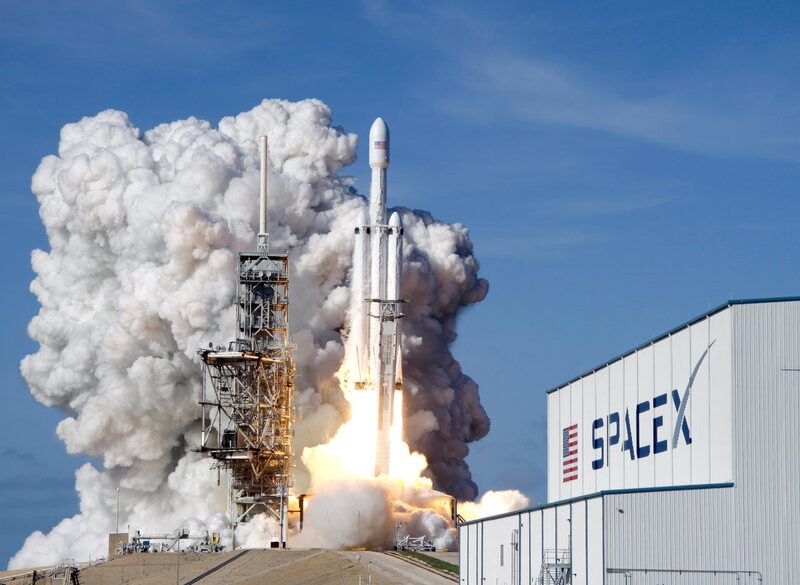
SpaceX is set to launch its Falcon 9 rocket carrying 29 Starlink satellites, with the mission featuring Booster 1067 (B1067)—the company’s record-setting reusable first-stage booster. The launch highlights SpaceX’s continued advancements in rocket reusability while expanding the Starlink satellite constellation to deliver high-speed internet services worldwide.
The mission further demonstrates SpaceX’s ability to rapidly reuse rockets, helping lower launch costs and increase the frequency of satellite deployments.
SpaceX to Launch 29 Starlink Satellites
The upcoming Falcon 9 mission will deploy 29 Starlink satellites into low Earth orbit (LEO), strengthening SpaceX’s global satellite internet network.
The new satellites will expand Starlink’s coverage, improve network capacity, and enhance internet performance for residential, enterprise, maritime, and aviation customers.
The launch is part of SpaceX’s ongoing effort to build one of the world’s largest satellite constellations.
Booster 1067 Sets Another Milestone
The mission will feature Booster 1067 (B1067), one of SpaceX’s most experienced reusable Falcon 9 boosters.
Its continued use highlights the company’s success in extending the operational life of reusable rockets through rapid refurbishment and repeated flights.
Rocket reusability has become a defining feature of SpaceX’s launch strategy, significantly reducing mission costs and increasing launch cadence.
Expanding the Starlink Network
The latest batch of satellites will support the continued growth of the Starlink constellation.
The network aims to provide:
- High-speed broadband internet.
- Low-latency connectivity.
- Rural internet access.
- Maritime connectivity.
- Aviation internet services.
- Enterprise communication solutions.
Starlink has become one of the world’s largest satellite broadband networks, serving users across numerous countries.
Reusability Drives Lower Launch Costs
SpaceX’s reusable rocket technology has transformed the commercial launch industry.
Key advantages include:
- Lower launch costs.
- Faster mission turnaround.
- Increased launch frequency.
- Reduced manufacturing requirements.
- Improved operational efficiency.
- Greater access to space.
The ability to repeatedly fly the same booster continues to set SpaceX apart from many traditional launch providers.
Growing Demand for Satellite Internet
Demand for satellite broadband services continues to increase worldwide.
Growth is being driven by:
- Underserved rural regions.
- Remote industrial operations.
- Maritime communications.
- Aviation connectivity.
- Disaster recovery.
- Military and government applications.
As additional satellites enter orbit, Starlink is expected to improve both coverage and network performance.
Outlook
The launch of 29 Starlink satellites aboard Falcon 9 Booster 1067 marks another milestone in SpaceX’s reusable rocket program and its ongoing expansion of the Starlink constellation. By continuing to set records for booster reuse while increasing launch frequency, SpaceX is reinforcing its leadership in the commercial space industry.
As the Starlink network continues to grow, the company is expected to further strengthen global broadband connectivity while demonstrating the long-term economic benefits of reusable launch technology.
Get the day’s top stories in your inbox
One concise email. No spam, unsubscribe anytime.