Key takeaways
- The Rajasthan nuclear plant tender is a bidding process for a new atomic power project.
- The planned project value is about ₹28,000 crore, or roughly $3.3 billion.
- NTPC and NPCIL are working together through a joint venture for the plant.
- The project is planned in Rajasthan and could add major low-carbon power over time.
The Rajasthan nuclear plant tender is a formal call for companies to bid for work on a new atomic power station. In simple words, a tender means the government or a company asks firms to compete for a big contract. This one matters because it points to a ₹28,000 crore push to build more steady electricity in India.
What is the Rajasthan nuclear plant tender?
The new Rajasthan nuclear plant tender comes from a joint venture between NTPC and NPCIL. A joint venture means two companies create one shared business for a project. NTPC is India’s biggest power producer, while NPCIL runs the country’s nuclear power plants.
According to reports, the tender is for a nuclear power plant in Rajasthan with a value of about ₹28,000 crore. That is 280 billion rupees. For a 12-year-old, think of it as a giant school project budget, but big enough to build roads, equipment yards, reactors, and safety systems.
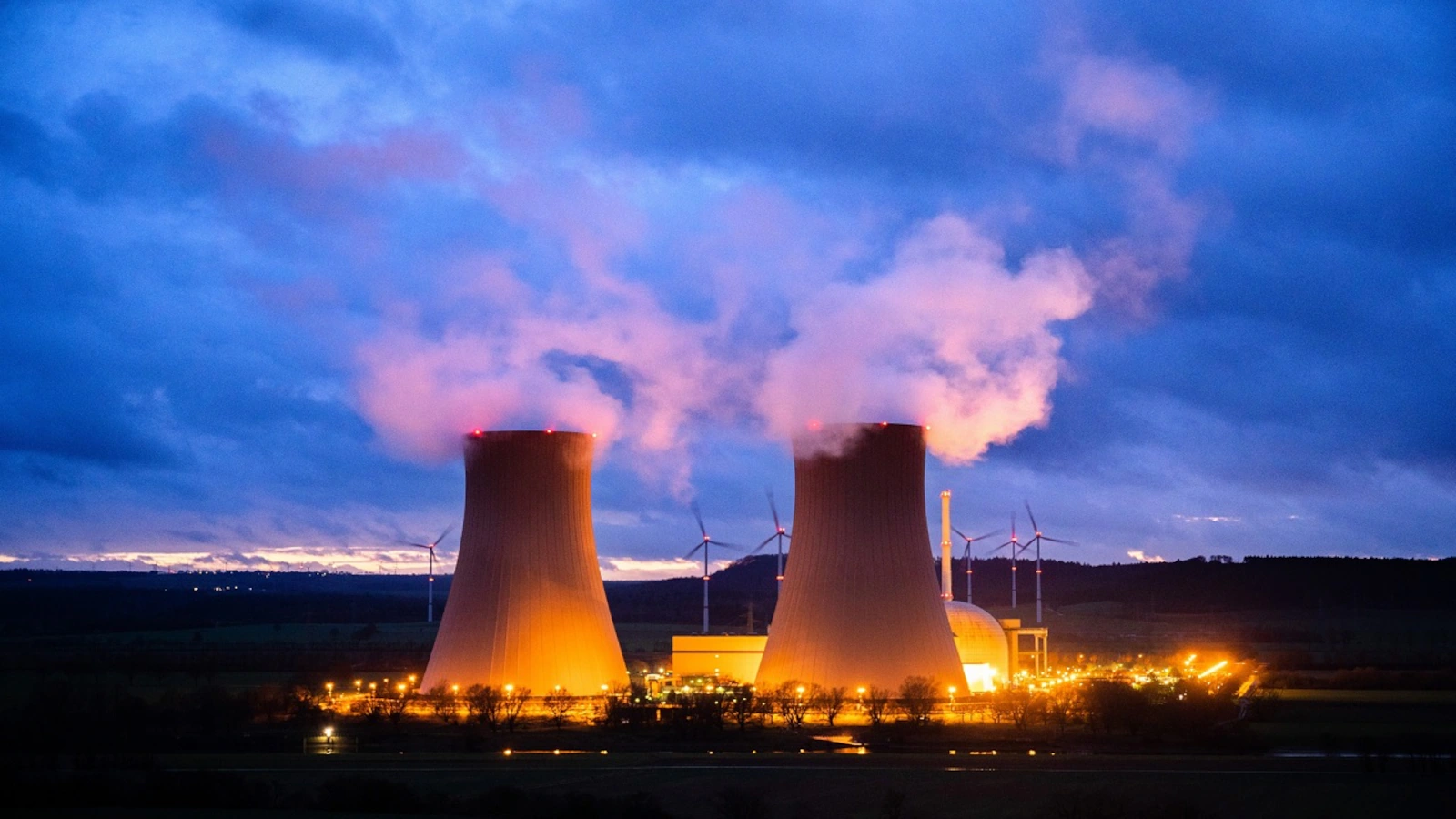
Nuclear power uses heat from splitting atoms to make steam and spin turbines. A turbine is a fast-turning machine that makes electricity. Because nuclear plants can run day and night, they help when solar panels stop at sunset and wind slows down.
Why does this project matter for India?
India needs much more power as homes, factories, trains, and data centres use more electricity. Data centres are giant buildings full of computers. The country also wants cleaner energy, so it can cut pollution and rely less on imported fuel.
That is where the Rajasthan nuclear plant tender becomes important. Nuclear plants do not burn coal to make electricity. As a result, they can give large amounts of steady power with lower direct carbon emissions.
India has talked for years about raising nuclear capacity, but these projects move slowly. They need land, clearances, skilled builders, and very strict safety checks. Safety checks are rules and tests that make sure dangerous systems work properly.
For context, India’s total installed nuclear power capacity is a little over 8 gigawatts. A gigawatt is 1,000 megawatts, or enough power for very large areas. India’s total power capacity across all sources is above 400 gigawatts, so nuclear is still a small part of the mix.
Who is behind the Rajasthan nuclear plant tender?
The tender is linked to a joint venture of NTPC and NPCIL, often called ASHVINI. NTPC knows how to build and run large power projects. NPCIL brings nuclear design, operating know-how, and licensing experience.
That team-up matters because nuclear plants are hard to build. One company alone may not have every skill needed. Together, they can mix financing strength, project management, and nuclear expertise.
The Union government has pushed for more nuclear power as part of India’s long-term energy plan. You can read official nuclear power updates on the NPCIL website. Tender and procurement notices from the NTPC side are typically tracked through official procurement channels, including NTPC’s tender portal.
How big is ₹28,000 crore in simple terms?
It is huge. ₹28,000 crore equals ₹280 billion. If you spent ₹1 crore every day, it would take about 28,000 days, or more than 76 years, to spend that much.
Here is a quick look at the key numbers behind the Rajasthan nuclear plant tender.
Key numbers₹28,000 cr2 firmsRajasthanValueJVState
| Item | Figure | What it means |
|---|---|---|
| Project value | ₹28,000 crore | Estimated size of the contract |
| Companies | 2 | NTPC and NPCIL are partnering |
| State | Rajasthan | Planned location of the project |
| India nuclear capacity | 8+ GW | Current national nuclear base, roughly |
What gets built in a nuclear power project?
A nuclear plant is not just one building. It includes the reactor area, turbine hall, cooling systems, switchyard, control rooms, worker facilities, and safety systems. A switchyard is the place where power goes into the grid, which is the big network carrying electricity.
The Rajasthan nuclear plant tender likely covers major engineering and construction work. Engineering means planning the design and technical parts. Construction means actually building the site, equipment supports, and linked systems.
These projects usually take years, not months. First comes bidding. Then the winner is chosen, contracts are signed, site work starts, key equipment arrives, and long testing follows before power begins.
Will this lower power bills soon?
Probably not soon. Nuclear projects take a long time to finish, so families will not see an instant change. But over many years, more steady power can help the grid stay stronger and reduce pressure from fuel swings.
Fuel swings are sudden jumps in the price of coal, gas, or oil. For example, oil shocks can unsettle energy markets, as we explained in our piece on Brent oil price tops $85 as war fears shake markets. Nuclear plants can help balance that risk because they do not depend on burning imported oil for electricity.
They also fit into a bigger story about India needing more reliable power for growth. That matters for factories, trains, online services, and new digital infrastructure. We have seen the same demand story in sectors like telecom in our report on Jio Q1FY27 Results: Net Profit Rises 9.2% to ₹7,764 Crore, Revenue Up 12%.
What questions or risks should people watch?
Big projects bring big questions. People will watch timelines, costs, safety compliance, and whether the project stays on schedule. Compliance means following all official rules.
They will also watch how fast India can add other power sources at the same time. Coal still supplies most electricity today, while solar is growing fast. Nuclear sits in the middle as a steady but slower-to-build option.
Here is the clearest way to see it:
The Rajasthan nuclear plant tender shows India is still betting on nuclear power for round-the-clock electricity. It will not change the grid tomorrow, but it could shape how India powers homes and industry in the next decade.
Another issue is financing. Large energy projects need long-term funding, and lenders want fewer surprises. Similar questions show up in many big capital-heavy sectors, including public market deals like India biggest IPO draws $31 billion in bids, where investors study size, risk, and timing very closely.
How does this fit Rajasthan?
Rajasthan already plays a big role in India’s energy map. The state is known for huge solar parks because it has lots of open land and sunshine. Adding nuclear would give a different kind of power source that works through the night too.
That mix matters. Solar is cheap and clean in daylight, but it fades after sunset. Nuclear can keep running, so both can support the same grid in different ways.
If the Rajasthan nuclear plant tender moves ahead smoothly, the state could deepen its place in India’s energy future. That does not mean every problem disappears. But it does mean one more serious effort to build large, stable power for the long run.
FAQs
What is a tender?
A tender is a public request for bids. Companies compete to win the contract.
Who are NTPC and NPCIL?
NTPC is India’s largest power producer. NPCIL is the state-run company that operates nuclear power plants.
Why does nuclear power matter?
Nuclear power gives steady electricity day and night. So it can support solar and wind, which change with the weather.
When will the plant start making electricity?
Not soon. Nuclear plants usually take several years to build, test, and start safely.
Get the day’s top stories in your inbox
One concise email. No spam, unsubscribe anytime.