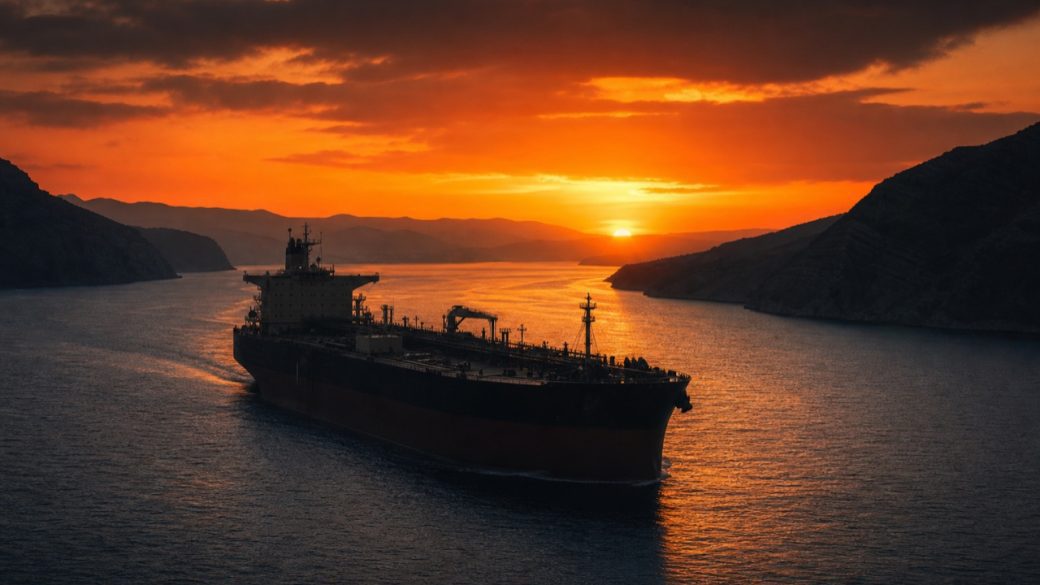
Oil prices jump after the United States and Iran traded new strikes in the Middle East. Oil prices jump means crude became more expensive in global markets. Traders worried fighting could disrupt supply, so Brent and U.S. crude both rose sharply early in the session.
Key takeaways
- Brent crude and U.S. WTI crude both climbed more than 3% after fresh strikes.
- Traders fear damage to oil supply routes in the Middle East, especially around key shipping lanes.
- Higher crude prices can raise petrol, diesel, airline, and shipping costs if the move lasts.
- So far, the market is reacting to risk and fear, not a confirmed big supply loss.
Why did oil prices jump today?
The main reason is simple. The Middle East produces a huge share of the world’s oil, so any fighting there can shake markets fast. Reuters reported that oil rose more than 3% after the U.S. and Iran escalated strikes.
Brent crude, the global benchmark, traded above $70 a barrel in early moves. A benchmark is a standard price traders use for comparison. U.S. West Texas Intermediate, or WTI, also jumped past $68 a barrel.
Those moves matter because even a small rise in oil can ripple out. Airlines pay more for jet fuel. Truckers pay more for diesel. Then families can feel it at the pump if higher prices stick around for days or weeks.
What are traders worried about most as oil prices jump?
They are worried about supply. Supply means how much oil producers can get to buyers. If missiles, drones, or military action hit fields, pipelines, ports, or tankers, less oil may reach the market.
They are also watching key sea routes. The Strait of Hormuz is one of the world’s most important oil chokepoints. A chokepoint is a narrow route where many ships must pass. About one-fifth of the world’s oil use moves through it, according to the U.S. Energy Information Administration.
That helps explain why oil prices jump even before a major outage is confirmed. Markets often price in fear first. In plain words, traders push prices up because they think trouble may come next.
We recently covered how Iran shutting the Strait of Hormuz again raised fresh energy worries. This new move fits the same pattern, but with direct military escalation adding more pressure.
How big was the move in crude prices?
Early trading showed a sharp rise. Brent climbed more than 3%, and WTI gained a similar amount. A 3% jump may sound small, but in oil markets that is a fast move for a single burst of geopolitical news.
Here is a simple look at the jump:
Early price move after strikesBrentWTI+3.2%+3.0%
The chart shows an easy snapshot, not final settlement prices. Settlement price means the official closing price for the trading day. Numbers can change as traders react to new headlines.
| Oil benchmark | Early move | Why it matters |
|---|---|---|
| Brent crude | Above 3% | Global pricing guide for many countries |
| WTI crude | About 3% | Main U.S. oil benchmark |
| Strait of Hormuz flow | About 20% | Share of global oil use moving through the route |
What does this mean for India and other oil buyers?
India imports most of the crude it uses, so a long oil rally can hurt. Import means buying from other countries. If crude stays high, India may pay more for energy, transport, and some factory inputs.
That does not mean pump prices rise at once. Retail fuel prices depend on taxes, company pricing, inventory, and government choices. But if oil prices jump for long enough, pressure usually builds.
There is another angle too. India has bought large volumes of discounted Russian crude in recent years. You can read our earlier report on India’s Russian crude imports jump 34% in June. That has helped cushion costs, but global price spikes still matter.
Could this become a bigger energy shock?
Yes, but it depends on what happens next. If strikes stay limited, markets may cool down. But if attacks spread to oil fields, export terminals, or shipping lanes, oil prices jump could turn into a longer rally.
History shows this clearly. Oil often spikes during wars or major threats, then falls back if supply keeps flowing. So the real question is not only who struck whom. It is whether barrels actually disappear from the market.
That is why traders watch official updates from governments and energy agencies. The U.S. Energy Information Administration tracks Hormuz flows, and OPEC follows supply from producing countries. Those sources matter more than rumors on social media.
For primary data, readers can check the U.S. Energy Information Administration on Strait of Hormuz flows and the OPEC website for market updates.
Are markets reacting to real shortages or just fear?
Right now, it looks like both risk and emotion are at work, but fear is leading. No giant supply loss was confirmed in the Reuters report. Even so, markets move ahead of facts because traders hate uncertainty.
Uncertainty means people do not know what comes next. When that happens in oil, buyers often rush to protect themselves. That rush can make oil prices jump even more for a while.
A clear way to say it is this:
Oil rises fastest when traders think the next headline could cut supply, even before any big oil field or shipping route is actually shut.
That same fear can also affect stocks, airlines, and shipping companies. Energy markets do not move alone. They tug on many parts of the economy.
What should readers watch next?
First, watch whether the U.S. and Iran step back or strike again. Second, watch the Strait of Hormuz and nearby shipping routes. Third, check if Brent holds above $70 or falls back quickly.
Also watch inflation. Inflation means prices rising across the economy. If oil prices jump and stay high, central banks and governments may face fresh pressure.
Energy shocks can spread fast, but they can fade fast too. That is the big thing to remember. This story is about risk right now, not only about barrels already lost.
How does this fit into the wider energy story?
The latest move shows how fragile oil markets can be. A fragile market is one that reacts sharply to bad news. Even with strong supply from several producers, one dangerous region still matters a lot.
It also shows why geopolitics keeps driving prices. Geopolitics means how countries use power, conflict, and alliances. When bombs fly near major oil routes, oil prices jump because the market sees a bigger chance of disruption.
That is the core takeaway for readers: crude is not rising because drivers suddenly used far more fuel today. It is rising because traders fear tomorrow may bring less oil, slower shipping, or both.
FAQs
Why did oil prices jump?
Oil rose because traders feared the U.S.-Iran conflict could disrupt supply in the Middle East.
What is Brent crude?
Brent crude is a major global oil benchmark. It helps price much of the world’s oil.
How could this affect regular people?
If high crude prices last, petrol, diesel, flights, and shipping can become more expensive.
When will oil prices calm down?
Prices may cool if the conflict eases and oil shipments continue without major disruption.
Get the day’s top stories in your inbox
One concise email. No spam, unsubscribe anytime.