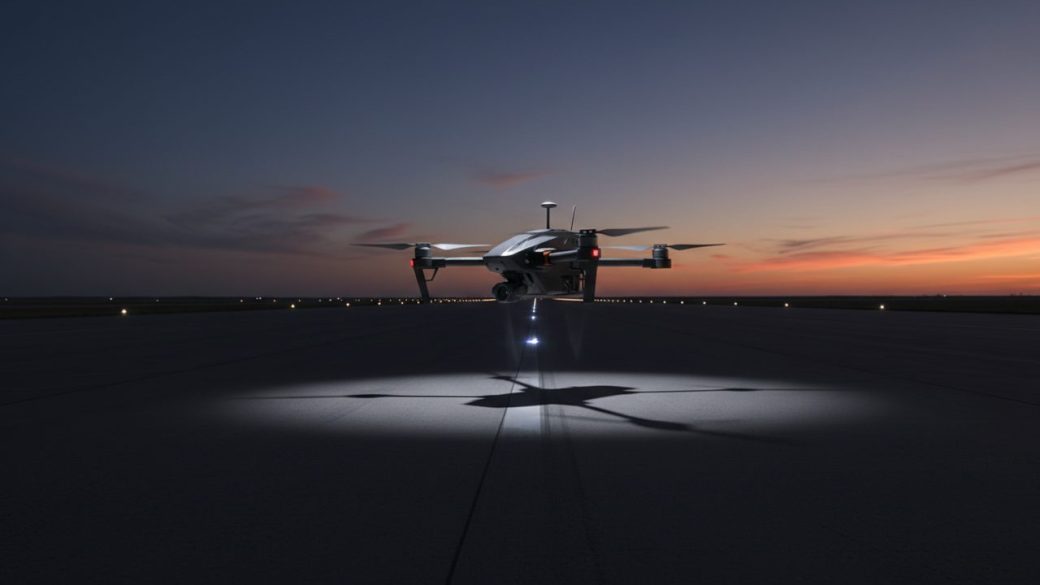
NATO and Ukraine Launch a Competition to Find New ‘Spiderweb-Type’ Drone Tools
NATO and Ukraine have launched a competition with a prize pool of about €250,000 (roughly $287,000) to find new “Spiderweb-type” tools that can shut down enemy airfields. NATO is the military alliance of Western countries. This NATO and Ukraine competition wants smart, low-cost technology, especially drones, that can stop Russian warplanes from taking off. The contest is named “Persistent Airfield Denial.” In simple words, the goal is to keep enemy airbases out of action for a long time.
The idea is built on a real Ukrainian operation that stunned the world. This story explains the prize, what that operation did, and why cheap drones are changing modern warfare.
What the competition is looking for
The contest is run by NATO’s Allied Command Transformation, based in Norfolk, Virginia, together with the NATO-Ukraine Joint Analysis, Training and Education Centre, known as JATEC. It asks teams to build autonomous systems that can hit aircraft, runways, fuel and ammunition stores, and other airbase infrastructure.
“Autonomous” means the system can act on its own, with little or no human control once launched. The wish list is demanding. The tools should:
- Use drone swarms and unmanned aerial vehicles (UAVs). A UAV is simply an aircraft with no pilot on board, flown by remote or by software.
- Find targets on their own using AI-enabled detection.
- Work in all weather, day or night, across seasons.
- Keep working even when GPS is jammed and resist electronic warfare. (Electronic warfare means using radio signals to block or confuse enemy electronics.)
- Hit several targets at once.
- Be ready to deploy within three months.
Only organisations registered in NATO countries or Ukraine, with owners based in those places, can take part. The submission window closes on 20 July 2026, finalists are named on 11 August 2026, and final presentations will be held in Warsaw.
What was Operation Spiderweb?
The competition is inspired by Operation Spiderweb, a daring drone attack carried out by Ukraine’s Security Service. It was a coordinated strike on five Russian airfields at the same time. Ukraine said it used 117 drones to hit air bases spread across five regions and five time zones.
Kyiv claimed the attack destroyed or damaged 41 aircraft and caused around $7 billion in damage. Russia gave a much smaller figure, saying it lost 11 planes and about $26 million. The two sides disagree sharply, which is common in wartime. Either way, it was the largest drone attack on Russian air bases up to that point. One strike hit Belaya Air Base in Eastern Siberia, where damage was confirmed about 4,300 km (2,700 miles) from Ukraine.
Why cheap drones now beat costly jets
The big lesson is about cost. A modern fighter jet or bomber can cost tens or hundreds of millions of dollars. A small attack drone can cost a tiny fraction of that. When cheap drones can destroy expensive aircraft on the ground, the maths of war changes. This is called asymmetric warfare, where a weaker side uses smart, low-cost methods to hurt a stronger one.
As Ukraine’s Ministry of Defence put it: “Every Russian air mission targeting Ukraine begins at an airfield. Therefore, together with NATO, we are launching a search for solutions to permanently block enemy airfields.” The competition is an attempt to turn one bold operation into a repeatable system. Other big players are also racing to build powerful AI for machines and robots, as covered in how Alibaba revealed powerful AI models for robots.
Key facts at a glance
| Item | Detail |
|---|---|
| Prize pool | €250,000 (about $287,000) |
| Program name | Persistent Airfield Denial |
| Run by | NATO Allied Command Transformation and JATEC |
| Deploy within | 3 months |
| Submissions close | 20 July 2026 |
| Finalists announced | 11 August 2026 |
| Operation Spiderweb drones | 117 drones (per Ukraine) |
| Aircraft hit (Ukraine claim) | 41 destroyed or damaged |
| Damage (Ukraine claim vs Russia) | ~$7 billion vs ~$26 million |
Why it matters (especially for India and founders)
Drones are now central to defence everywhere, and India is no exception. India is building its own drone industry and pushing for homegrown defence tech. This contest shows where the world is heading: cheap, smart, autonomous systems that can change the outcome of a conflict. Nations that master drone tech gain a real edge.
For founders, especially in deep tech, there is a clear opening. Defence and drone startups are getting serious attention and funding. The skills behind these systems, such as AI, autonomy, and resilient hardware, also power many civilian products. The same talent and compute crunch that shapes AI startups applies here too, as we explore in why India wants its AI talent back. Building strong engineering teams is the foundation for all of it.
FAQ
How big is the prize?
The prize pool is about €250,000, which is roughly $287,000. It rewards the best new tools to block enemy airfields.
What was Operation Spiderweb?
It was a Ukrainian drone attack on five Russian airfields using 117 drones. Ukraine said it destroyed or damaged 41 aircraft and caused around $7 billion in damage; Russia reported far smaller losses.
Who is running the competition?
NATO’s Allied Command Transformation, based in Norfolk, Virginia, is running it with JATEC, the NATO-Ukraine Joint Analysis, Training and Education Centre.
What kind of technology is wanted?
Autonomous, all-weather systems like drone swarms and UAVs that can find targets on their own, resist GPS jamming, and be ready to deploy within three months.
The takeaway
This NATO and Ukraine competition turns a single shocking drone raid into a search for a lasting weapon. With a modest prize but a huge ambition, it shows that the future of air power may be decided by cheap, smart drones rather than costly jets. For builders and nations alike, the message is clear: in modern conflict, clever technology can outweigh raw size.