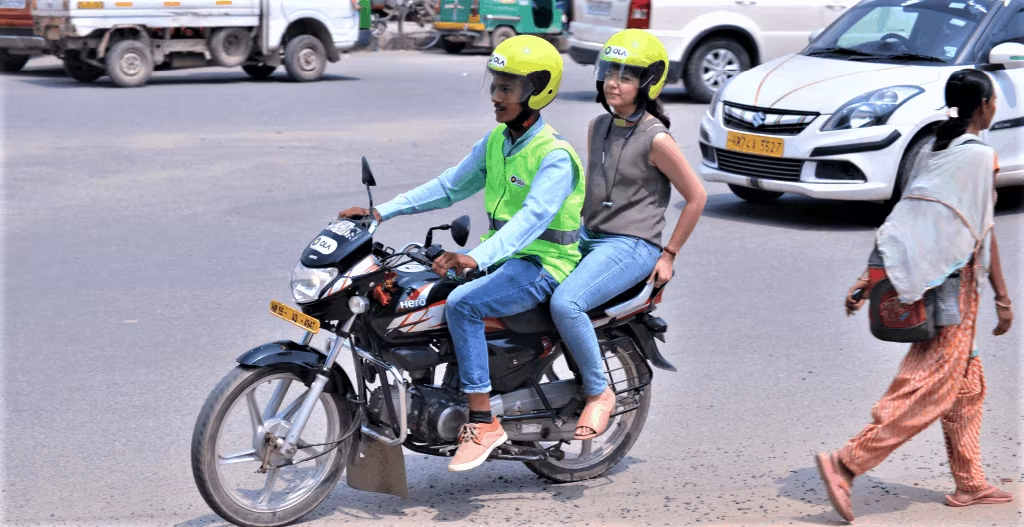
The Maharashtra government has announced that aggregator-based bike taxi services will be legalized across the state from August 1, paving the way for app-based mobility platforms to operate bike taxi services under a formal regulatory framework. The move is expected to improve last-mile connectivity, create new earning opportunities for riders, and offer commuters a more affordable transportation option.
The decision comes as several Indian states continue to formulate policies governing bike taxi operations, balancing commuter demand with safety, regulatory compliance, and the interests of traditional transport operators.
Maharashtra to Legalise Bike Taxi Services From August 1
Starting August 1, app-based bike taxi services will be permitted to operate legally in Maharashtra under new government regulations.
The policy aims to bring aggregator-operated two-wheeler taxi services under an official licensing and compliance framework, providing greater clarity for ride-hailing companies, drivers, and passengers.
The move is expected to encourage organized growth of the bike taxi industry while improving urban mobility.
Aggregator Platforms to Benefit
The new rules are expected to benefit digital mobility companies that offer app-based transportation services.
Eligible aggregators will likely be required to comply with government regulations related to:
- Licensing.
- Driver verification.
- Passenger safety.
- Insurance coverage.
- Vehicle documentation.
- Fare transparency.
- Digital record keeping.
The framework is intended to ensure safer and more reliable bike taxi operations across the state.
Improving Last-Mile Connectivity
Bike taxis have become increasingly popular in congested urban areas because they provide faster and more affordable transportation.
Key benefits include:
- Better last-mile connectivity.
- Reduced travel time.
- Lower commuting costs.
- Easier access to public transport.
- Improved mobility during peak traffic.
- Greater transportation options for commuters.
The service is expected to complement existing public transport networks, particularly in densely populated cities.
Employment Opportunities for Riders
The legalization of bike taxi services could generate additional income opportunities for thousands of riders across Maharashtra.
The policy may benefit:
- Gig workers.
- Delivery partners seeking additional income.
- Self-employed riders.
- Young job seekers.
- Part-time drivers.
- Platform-based workers.
As app-based mobility expands, bike taxis are expected to become an important segment of the gig economy.
Focus on Safety and Compliance
The government is expected to introduce safety measures aimed at protecting both riders and passengers.
Potential requirements include:
- Mandatory driver background verification.
- Valid commercial permits where applicable.
- Passenger insurance.
- GPS-enabled ride tracking.
- Helmet compliance.
- Emergency support features.
These measures are intended to improve public confidence while ensuring responsible operation of bike taxi services.
Impact on Urban Mobility
The legalization of bike taxis is expected to support Maharashtra’s broader efforts to modernize urban transportation.
By integrating technology-enabled mobility services into the state’s transport ecosystem, policymakers aim to reduce congestion, improve accessibility, and provide commuters with more flexible travel options.
The move also reflects the growing importance of app-based mobility platforms in India’s rapidly evolving transportation sector.
Outlook
The Maharashtra government’s decision to legalize aggregator-based bike taxi services from August 1 marks a significant development for the state’s urban mobility landscape. By providing a clear regulatory framework, the policy is expected to encourage safer operations, create employment opportunities, and improve last-mile connectivity for millions of commuters.
As demand for affordable and technology-driven transportation continues to rise, bike taxis are likely to play an increasingly important role in Maharashtra’s mobility ecosystem while contributing to the growth of India’s digital transport economy.
Get the day’s top stories in your inbox
One concise email. No spam, unsubscribe anytime.