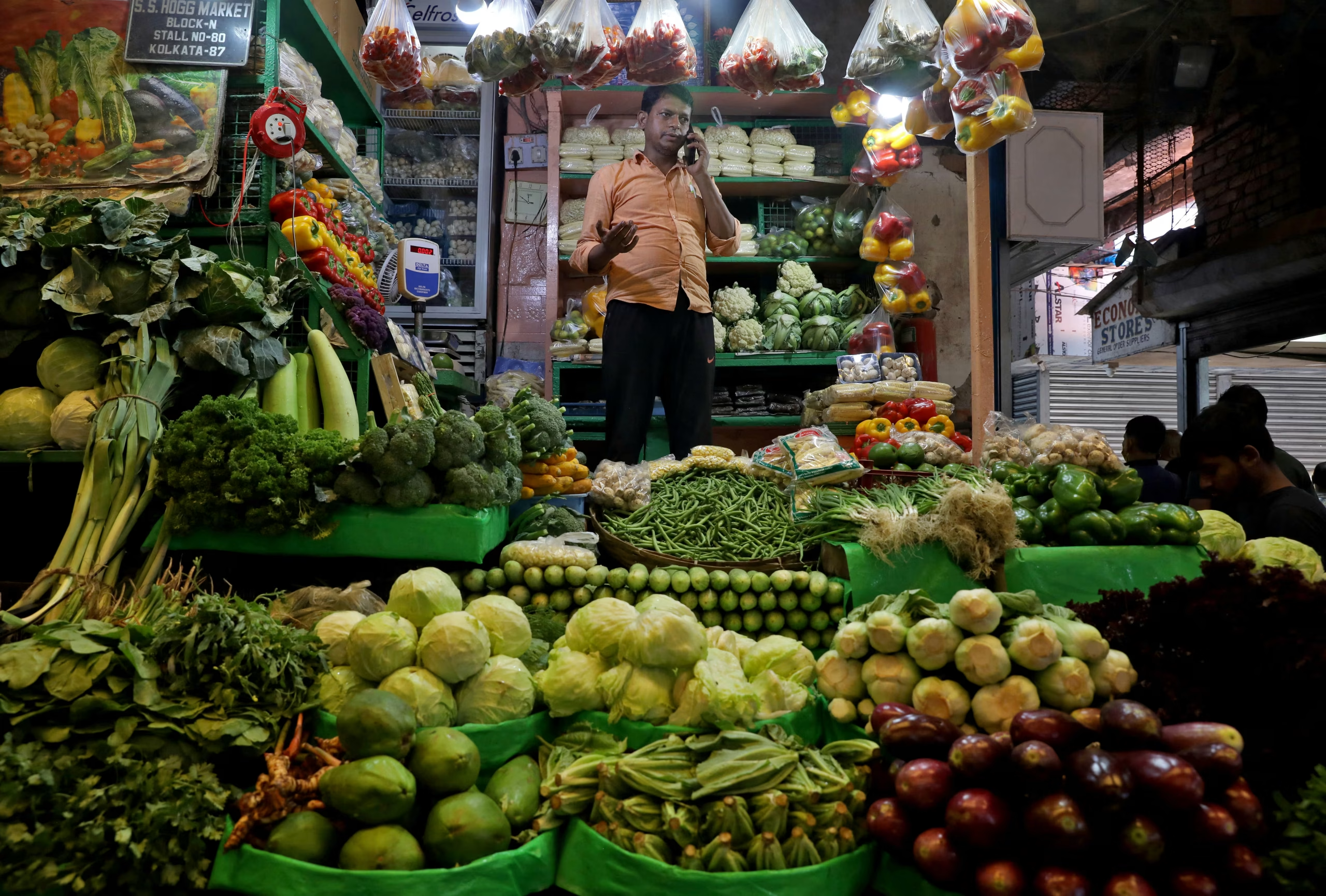
India’s Wholesale Price Index (WPI)-based inflation rose to 9.87% in June, driven primarily by a sharp increase in food prices, according to the latest government data. The rise reflects continued pressure on wholesale inflation from higher prices of vegetables, cereals, pulses, fruits, and other essential commodities, despite easing inflation in some manufactured goods categories.
The increase in wholesale inflation comes as policymakers continue to monitor food price volatility, global commodity trends, and supply-side disruptions. While wholesale inflation measures price changes at the producer level, it can eventually influence retail prices if businesses pass on higher input costs to consumers.
India’s Wholesale Inflation Climbs to 9.87%
Wholesale inflation accelerated during June, largely due to food price pressures.
| Inflation Snapshot | Details |
|---|---|
| Inflation measure | Wholesale Price Index (WPI) |
| June WPI inflation | 9.87% |
| Main driver | Higher food prices |
| Key concern | Rising input costs and inflationary pressure |
The data indicates that food inflation continues to be a significant contributor to overall wholesale price growth.
What’s Driving Wholesale Inflation?
Several factors contributed to the rise in June’s WPI inflation.
Major drivers include:
- Higher vegetable prices.
- Rising cereal prices.
- Costlier pulses.
- Increase in fruit prices.
- Elevated prices of essential food items.
- Supply-side disruptions in agricultural commodities.
Food inflation remained the dominant factor behind the increase in wholesale prices.
Food Prices Continue to Rise
| Food Category | Trend |
|---|---|
| Vegetables | Sharp increase |
| Cereals | Higher prices |
| Pulses | Continued rise |
| Fruits | Upward movement |
| Other food products | Inflationary pressure |
Seasonal factors and supply constraints contributed to higher prices across several food categories.
Impact on Businesses and Consumers
Higher wholesale prices can have broad economic effects.
Potential implications include:
- Increased production costs.
- Higher prices for manufacturers.
- Pressure on business margins.
- Possible rise in retail prices.
- Inflation concerns for households.
Whether these higher costs are passed on to consumers depends on demand conditions and competitive pressures.
What It Means for the Economy
Wholesale inflation is an important indicator of producer-level price trends.
Economists will closely monitor:
- Food supply conditions.
- Monsoon performance.
- Global commodity prices.
- Fuel costs.
- Manufacturing input prices.
Persistent wholesale inflation may influence business pricing decisions in the coming months.
RBI and Inflation Outlook
Although the Reserve Bank of India (RBI) primarily targets Consumer Price Index (CPI) inflation, sustained increases in wholesale prices can eventually affect retail inflation.
Key areas of focus include:
- Food inflation.
- Inflation expectations.
- Supply chain stability.
- Agricultural output.
- Commodity market movements.
Future monetary policy decisions will continue to consider broader inflation trends alongside economic growth.
Challenges Ahead
Several risks could keep inflation elevated.
These include:
- Weather-related disruptions.
- Volatile agricultural production.
- Rising global commodity prices.
- Higher transportation costs.
- Geopolitical uncertainty affecting supply chains.
Managing food inflation remains a priority for policymakers.
Outlook
India’s wholesale inflation rising to 9.87% in June highlights the continued impact of food prices on the country’s inflation trajectory. While wholesale inflation does not directly measure the prices paid by consumers, sustained increases at the producer level can eventually influence retail prices if businesses pass on higher costs.
The direction of inflation in the coming months will depend on agricultural output, monsoon conditions, supply chain stability, and global commodity markets. Continued government efforts to improve food supplies and monitor essential commodity prices will play an important role in containing inflationary pressures.
What It Means for Businesses and Consumers
The rise in wholesale inflation suggests that businesses may continue facing higher input costs, particularly in food processing, retail, and manufacturing sectors. Companies will need to balance cost pressures with competitive pricing strategies while maintaining profitability.
For consumers, the latest data reinforces concerns about food inflation, which has a direct impact on household budgets. If wholesale price increases persist and are passed through the supply chain, retail inflation could remain under pressure, making food affordability a key economic issue in the months ahead.
Get the day’s top stories in your inbox
One concise email. No spam, unsubscribe anytime.