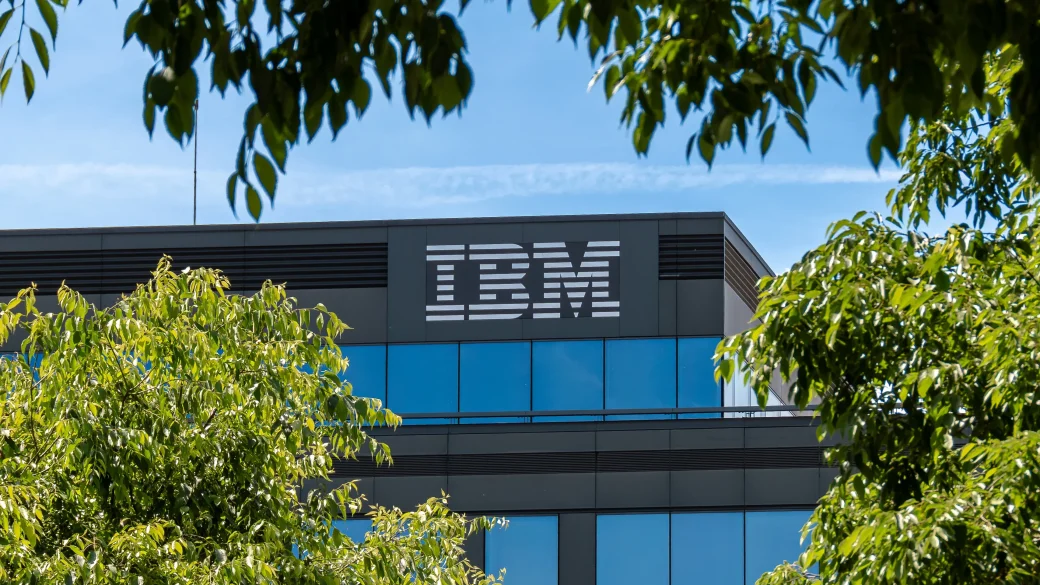
IBM shares plunged more than 20% after the technology giant warned that its second-quarter earnings fell short of market expectations, raising concerns about slower enterprise technology spending and the pace of growth across parts of its software and consulting businesses. The sharp sell-off wiped billions of dollars from IBM’s market value, making it one of the company’s steepest single-day declines in recent years.
Despite continued investment in artificial intelligence, hybrid cloud, and enterprise software, IBM indicated that near-term financial performance was impacted by softer client spending, longer sales cycles, and macroeconomic uncertainty. Investors reacted negatively as the earnings miss overshadowed the company’s long-term AI strategy.
IBM Shares Drop More Than 20%
The stock suffered a sharp decline following the company’s earnings warning.
| Earnings Snapshot | Details |
|---|---|
| Company | IBM |
| Share price reaction | Down more than 20% |
| Period | Second quarter |
| Main issue | Earnings below market expectations |
The decline reflects investor concerns over slowing growth and weaker-than-expected quarterly performance.
Why IBM Missed Expectations
Several factors contributed to the weaker quarterly results.
Key reasons include:
- Softer enterprise technology spending.
- Longer customer decision cycles.
- Slower consulting demand.
- Mixed software revenue growth.
- Macroeconomic uncertainty affecting corporate IT budgets.
Businesses have become more cautious about large technology investments amid an uncertain economic environment.
AI Remains a Long-Term Growth Focus
Although quarterly earnings disappointed, IBM continues investing heavily in artificial intelligence.
Major priorities include:
- Enterprise AI solutions.
- Hybrid cloud services.
- Automation software.
- AI-powered consulting.
- Data and analytics platforms.
IBM has positioned AI as a key driver of future revenue growth, particularly for enterprise customers.
Market Reaction
| Factor | Investor Concern |
|---|---|
| Earnings miss | Lower profitability |
| Revenue outlook | Slower growth expectations |
| Consulting business | Demand moderation |
| AI investments | Longer monetization timeline |
The earnings warning prompted investors to reassess IBM’s near-term growth prospects despite its strategic AI initiatives.
Enterprise IT Spending Under Pressure
Technology companies continue to face a cautious corporate spending environment.
Current trends include:
- Delayed digital transformation projects.
- Tighter enterprise budgets.
- Greater focus on return on investment.
- Increased demand for AI productivity tools.
- Selective cloud spending.
Many businesses are prioritizing essential technology investments while delaying discretionary projects.
IBM’s Competitive Position
IBM competes across several high-growth technology markets.
Core business areas include:
- Hybrid cloud computing.
- Artificial intelligence.
- Enterprise software.
- IT consulting.
- Infrastructure services.
- Cybersecurity.
Competition remains intense as major technology companies expand their AI and cloud offerings.
Challenges Ahead
IBM continues to navigate several headwinds.
These include:
- Slowing global economic growth.
- Competitive pressure in cloud services.
- Enterprise spending uncertainty.
- AI commercialization challenges.
- Maintaining profitability while investing in innovation.
Successfully balancing investment and earnings growth will remain a key priority.
Outlook
IBM’s earnings warning and the resulting 20% share price decline underscore the challenges facing enterprise technology companies in a cautious spending environment. While demand for artificial intelligence and hybrid cloud solutions continues to grow over the long term, many customers are adopting a more measured approach to technology investments, affecting near-term financial performance.
Going forward, investors will closely watch IBM’s ability to convert its AI investments into sustainable revenue growth while maintaining profitability across its software, consulting, and infrastructure businesses. Strong execution in enterprise AI could help restore investor confidence, but near-term performance is likely to remain closely tied to broader corporate technology spending trends.
What It Means for the Technology Sector
IBM’s sharp market reaction highlights the increasing importance investors place on earnings execution, even for companies with strong long-term AI strategies. As artificial intelligence reshapes enterprise technology, businesses are expected to reward vendors that can demonstrate both innovation and consistent financial performance.
For the broader technology industry, the results suggest that while AI remains a major growth opportunity, companies must also navigate slower enterprise spending, competitive pressures, and evolving customer priorities. The balance between investing for future growth and delivering near-term profitability is likely to remain a defining challenge for large technology firms.
Get the day’s top stories in your inbox
One concise email. No spam, unsubscribe anytime.