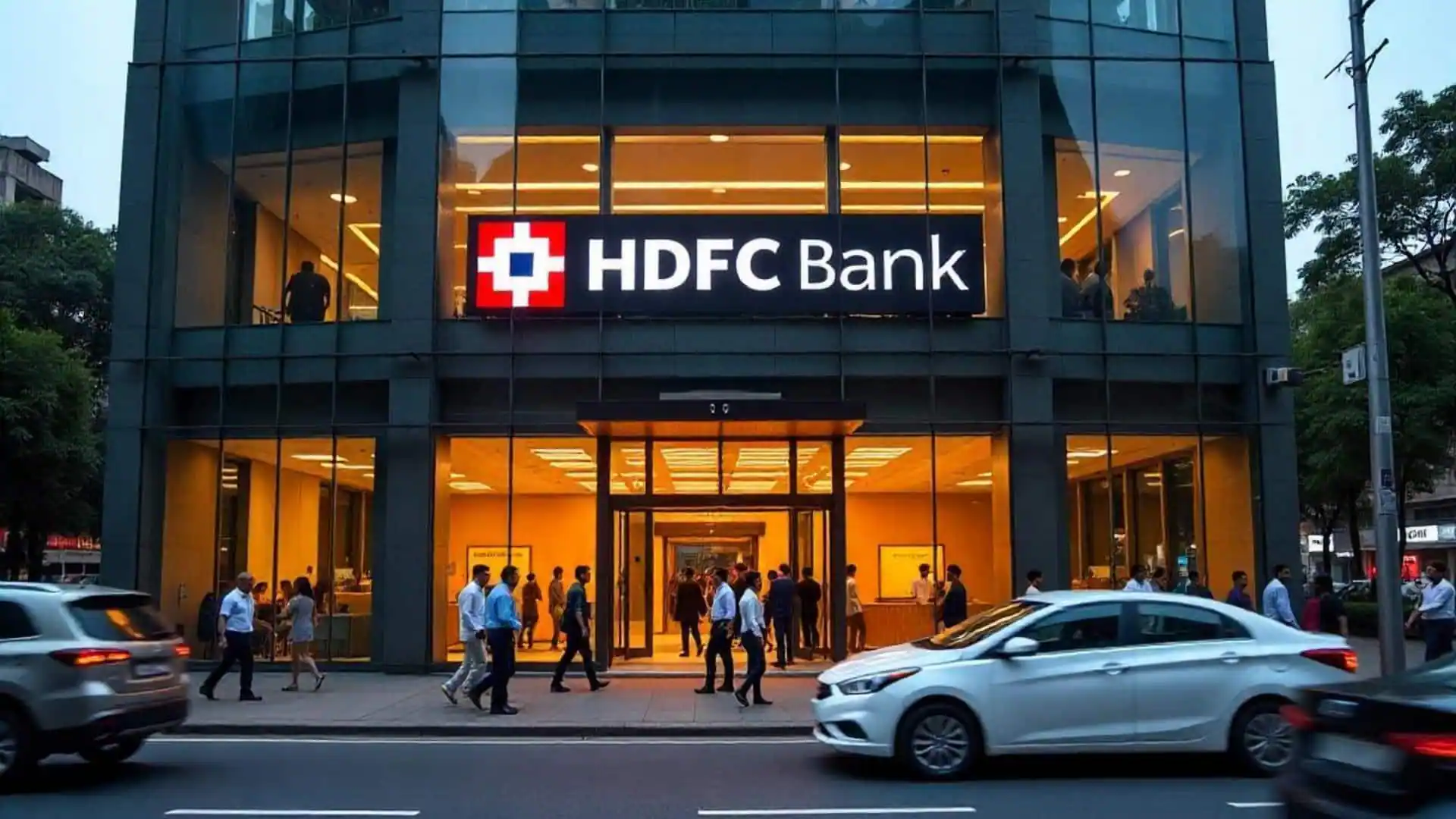
HDFC Bank has approved a proposal to raise up to ₹60,000 crore through bonds issued on a private placement basis over the next 12 months, giving the lender greater flexibility to meet its future funding requirements, support business growth, and optimize its capital structure. The approval is an annual enabling resolution that authorizes the bank to tap the domestic bond market as and when required, rather than indicating that the entire amount will be raised immediately.
The move comes as India’s largest private-sector lender continues to report strong loan and deposit growth while seeking diversified funding sources beyond customer deposits. Bond issuances allow banks to raise long-term capital efficiently and support lending across retail, corporate, and infrastructure segments. Recent business updates showed HDFC Bank’s advances grew 15.4% year-on-year, while deposits increased 14.7%, reflecting sustained credit demand.
Board Approves Bond Raising Plan
The bank’s board has authorized the issuance of non-convertible debentures (NCDs) and other eligible debt securities through private placement.
| Bond Plan | Details |
|---|---|
| Maximum amount | ₹60,000 crore |
| Mode | Private placement |
| Validity | Next 12 months |
| Purpose | Funding and capital management |
The approval provides flexibility for the bank to issue bonds in one or multiple tranches depending on market conditions and funding needs.
Why HDFC Bank Is Raising Funds
Banks frequently access the bond market to diversify their funding base and better manage long-term assets and liabilities.
The proceeds from future bond issuances may be used for:
- Supporting credit growth.
- Meeting long-term funding requirements.
- Optimizing the bank’s liability profile.
- Maintaining adequate liquidity.
- General banking and corporate purposes.
Issuing bonds also reduces dependence on deposits while allowing banks to access institutional investors such as mutual funds, insurance companies, pension funds, and foreign investors.
Private Placement Explained
Unlike public bond offerings, private placements are sold directly to a select group of institutional investors.
| Public Bond Issue | Private Placement |
|---|---|
| Open to retail investors | Primarily institutional investors |
| Longer issuance process | Faster execution |
| Broad public marketing | Limited investor participation |
| Higher regulatory requirements | Streamlined issuance process |
Private placements are widely used by banks because they offer greater flexibility and quicker access to capital.
Strong Business Growth Supports Funding Needs
HDFC Bank’s decision comes amid continued expansion in its lending business.
According to the bank’s latest quarterly business update:
| Business Metric | Latest Performance |
|---|---|
| Advances growth | 15.4% YoY |
| Deposit growth | 14.7% YoY |
| Total deposits | ₹31.7 lakh crore |
As loan demand increases, banks typically require additional long-term funding to maintain healthy liquidity and support future credit expansion.
Bond Market Remains Attractive
India’s corporate bond market has become an increasingly important source of financing for large financial institutions.
Several factors make bond issuances attractive:
- Access to long-term capital.
- Competitive borrowing costs.
- Diversified investor base.
- Flexible issuance schedules.
- Improved balance-sheet management.
Earlier this year, HDFC Bank also tapped international debt markets by raising $750 million through a five-year offshore bond, reflecting its broader strategy of diversifying funding sources.
No Immediate Fundraising Obligation
It is important to note that the board’s approval does not mean HDFC Bank will immediately issue ₹60,000 crore worth of bonds.
Instead, the authorization allows the bank to access the debt market whenever funding conditions are favorable during the next year. The actual amount raised could be lower and will depend on business requirements, market liquidity, interest rates, and investor demand.
What It Means for Investors
The approval highlights HDFC Bank’s proactive approach to capital planning as it continues expanding its lending operations. By securing authorization in advance, the bank gains flexibility to raise funds efficiently without seeking repeated shareholder approvals for individual issuances.
For investors, the development signals that HDFC Bank expects continued credit growth and wants to maintain a diversified funding profile. While the ₹60,000 crore figure appears large, it represents a maximum borrowing limit rather than an immediate fundraising plan. As India’s banking sector continues to witness healthy loan demand, access to domestic and international bond markets is likely to remain an important component of HDFC Bank’s long-term funding strategy.
Get the day’s top stories in your inbox
One concise email. No spam, unsubscribe anytime.