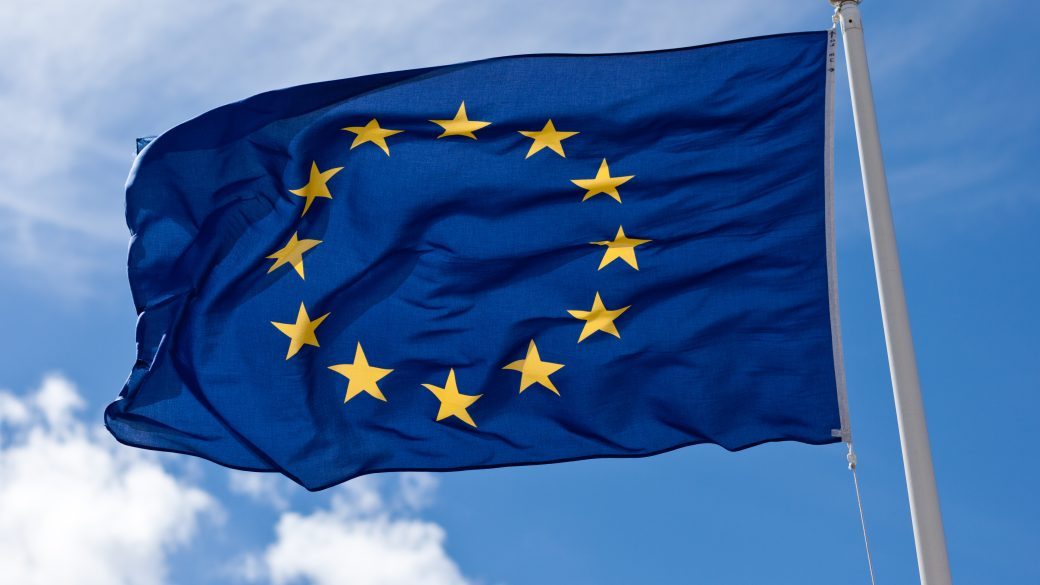
The European Union is preparing legislation that would restrict social media access for children under the age of 13, marking one of its most significant online child safety initiatives to date. The proposal, announced by European Commission President Ursula von der Leyen, follows recommendations from an expert panel advocating a phased, age-appropriate approach to children’s use of social media platforms across all 27 EU member states.
Rather than imposing a blanket ban, the proposed framework would allow children under 13 to access social media only under adult supervision and with strict safeguards. Older teenagers would gain progressively broader access as they age, alongside stronger protections against harmful content and addictive platform features. The European Commission is expected to present a formal legislative proposal after the summer, likely during von der Leyen’s State of the Union address in September.
EU Plans New Rules for Children’s Social Media Access
The proposal aims to create a common framework for all EU countries.
| Key Details | Information |
|---|---|
| Region | European Union |
| Target age | Children under 13 years |
| Proposal | Restricted, supervised access |
| Coverage | All 27 EU member states |
| Status | Legislation under preparation |
The initiative is intended to strengthen online safety while introducing age-appropriate access rather than a one-size-fits-all restriction.
What the Proposal Includes
The expert recommendations call for a gradual system of access.
Key measures include:
- Supervised social media access for children under 13.
- Age-based expansion of access as children grow older.
- Stronger safeguards against harmful content.
- Greater protection from addictive platform features.
- Improved age-verification mechanisms.
- Enhanced parental involvement.
The approach focuses on balancing child safety with access to digital services.
Why the EU Is Taking Action
European policymakers say the proposal is designed to address growing concerns about children’s online well-being.
Key concerns include:
- Excessive screen time.
- Exposure to harmful or inappropriate content.
- Online bullying and harassment.
- Addictive platform design.
- Mental health impacts.
- Privacy and data protection risks.
The legislation would build on the EU’s broader digital safety framework for minors.
A Global Trend Toward Youth Social Media Restrictions
| Country/Region | Current Approach |
|---|---|
| European Union | Proposed supervised access for under-13s |
| Australia | Social media restrictions for minors already implemented |
| United Kingdom | New youth online safety measures under development |
| China | Existing limits on minors’ online activity |
The EU joins a growing number of governments seeking stronger safeguards for children’s use of social media platforms.
Challenges for Technology Companies
If approved, major platforms could be required to strengthen compliance systems.
Potential requirements include:
- Reliable age verification.
- Enhanced parental controls.
- Child-friendly default settings.
- Greater transparency.
- Stronger content moderation.
- Compliance with EU digital regulations.
Platforms such as TikTok, Instagram, Facebook, Snapchat, and others may need to adapt their services to meet the new rules.
Potential Challenges
Implementing the proposal will involve several hurdles.
These include:
- Verifying users’ ages accurately.
- Protecting user privacy.
- Enforcing rules consistently across member states.
- Balancing child protection with digital rights.
- Addressing cross-border platform operations.
The final legislation is expected to undergo further debate before adoption.
Outlook
The European Union’s proposed restrictions on social media access for children under 13 represent one of its most ambitious efforts to improve online child safety. By adopting a phased, age-appropriate model instead of an outright ban, the EU aims to protect younger users while allowing greater digital participation as children mature.
If adopted, the legislation could significantly influence how global technology companies design products for younger users and strengthen age-verification, parental control, and safety features. Given the EU’s regulatory influence, the proposal may also encourage other countries to consider similar child online safety measures.
What It Means for the Tech Industry
The proposed rules highlight increasing regulatory scrutiny of social media platforms’ responsibility toward children. Companies may face higher compliance costs as they invest in age assurance technologies, parental supervision tools, and safer product designs.
For the broader technology sector, the initiative reflects a global shift toward stronger regulation of digital platforms, particularly where children’s safety, mental health, and privacy are concerned. As governments continue tightening online safety standards, platforms will likely need to make child protection a core part of product development rather than an optional feature.
Get the day’s top stories in your inbox
One concise email. No spam, unsubscribe anytime.