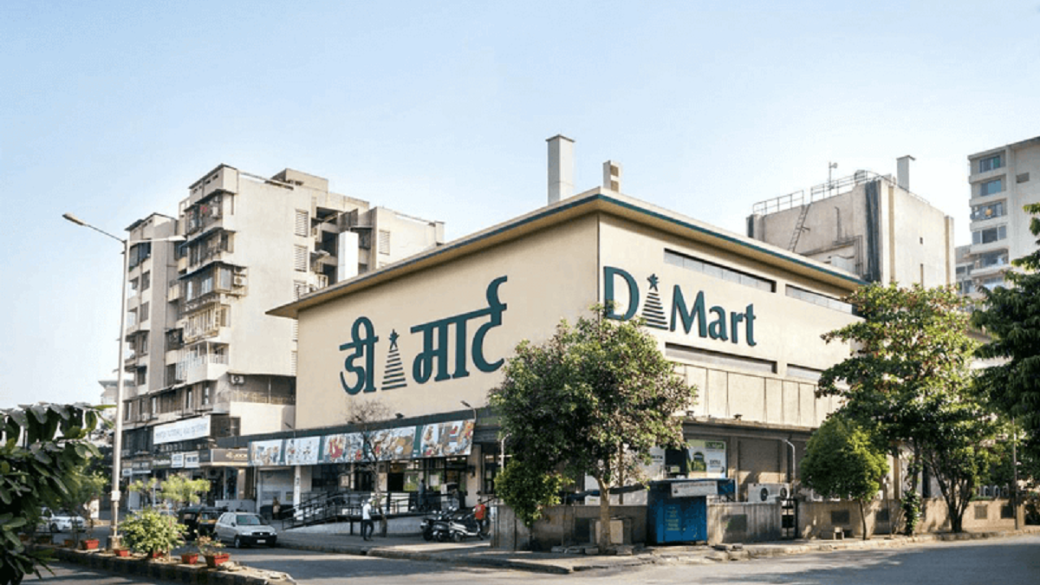
DMart, India’s leading supermarket chain operated by Avenue Supermarts Ltd., has crossed the landmark of 500 operational stores, marking a major milestone in its 24-year journey. The achievement underscores the retailer’s disciplined expansion strategy, which has focused on profitable store growth rather than rapid scale, helping DMart become one of India’s most successful brick-and-mortar retail businesses.
The company crossed the 500-store mark during the final quarter of FY26 and has continued expanding its footprint since then. As of July 2026, DMart operates more than 500 stores nationwide, with its network reaching 504 outlets following the opening of new stores, including its latest outlet in Greater Noida.
A Major Retail Milestone
Crossing 500 stores places DMart among India’s largest organised food and grocery retailers.
Founded by investor Radhakishan Damani in 2002 with its first store in Mumbai, the company has steadily expanded across multiple states while maintaining its low-cost operating model.
| DMart Expansion | Details |
|---|---|
| Operational stores | 500+ |
| Current store count | 504 |
| Founder | Radhakishan Damani |
| Parent company | Avenue Supermarts Ltd. |
Unlike many retailers that pursue aggressive nationwide expansion, DMart has traditionally adopted a measured, cluster-based strategy focused on operational efficiency and profitability.
Expansion Continues Across India
The retailer has accelerated store additions over the past year while maintaining its emphasis on carefully selected locations.
Recent store openings have strengthened DMart’s presence across:
- Maharashtra.
- Gujarat.
- Karnataka.
- Telangana.
- Tamil Nadu.
- Uttar Pradesh.
- Delhi-NCR.
- Other high-growth urban markets.
The latest store in Greater Noida increased the company’s nationwide footprint to 504 operational outlets.
Strong Financial Performance Supports Growth
DMart’s store expansion has been backed by healthy revenue growth despite increasing competition from quick commerce platforms.
For the June quarter (Q1 FY27), Avenue Supermarts reported:
| Q1 FY27 Performance | Value |
|---|---|
| Standalone revenue | ₹18,343 crore |
| Revenue growth | 15.1% YoY |
| Standalone net profit | ₹935.8 crore |
| Profit growth | 12.8% YoY |
The company also reported continued improvement in operating margins while maintaining its value-focused retail model.
DMart’s Everyday Low Price Strategy
One of DMart’s biggest competitive advantages has been its Everyday Low Cost (EDLC) model.
Rather than relying heavily on seasonal discounts, the retailer focuses on:
- Bulk procurement.
- Efficient inventory management.
- Low operating costs.
- Company-owned store properties in many locations.
- High inventory turnover.
This approach enables DMart to consistently offer competitive prices while maintaining healthy profitability.
Competition Is Intensifying
Despite reaching the 500-store milestone, DMart faces increasing competition from India’s rapidly growing quick commerce industry.
Major rivals include:
- Blinkit.
- Zepto.
- Swiggy Instamart.
- BigBasket.
- Reliance Retail.
To respond to changing consumer behaviour, DMart has been refining its omnichannel strategy through DMart Ready, while also optimizing its online operations in markets where profitability remains challenging.
Why the 500-Store Mark Matters
Crossing 500 stores represents more than just network expansion.
| Strategic Benefit | Impact |
|---|---|
| Larger procurement scale | Better supplier negotiations |
| Wider geographic reach | Higher customer penetration |
| Stronger brand presence | Increased market leadership |
| Operating leverage | Improved long-term efficiency |
The milestone also demonstrates DMart’s ability to expand consistently without compromising its disciplined capital allocation strategy.
Outlook
Industry analysts expect DMart to continue adding 40–50 new stores annually, although the pace may vary depending on real estate availability and market conditions.
The company is also expected to:
- Expand into new cities.
- Strengthen DMart Ready.
- Improve supply chain efficiency.
- Enhance customer experience.
- Maintain its low-price positioning.
As India’s organised retail market continues to grow, DMart remains well positioned to benefit from rising urbanisation, increasing disposable incomes, and the gradual shift from traditional kirana stores to modern retail formats.
What It Means for India’s Retail Sector
DMart’s achievement of crossing 500 operational stores marks an important milestone in the evolution of India’s organised retail industry. The company’s steady, profitability-focused expansion demonstrates that disciplined execution can deliver long-term growth even in an increasingly competitive environment.
While quick commerce has intensified competition in grocery retail, DMart’s scale, efficient supply chain, and everyday low-price strategy continue to provide a strong competitive advantage. As the company expands beyond 500 stores and strengthens its omnichannel presence, it is likely to remain one of India’s most influential retailers while setting the benchmark for sustainable growth in the organised retail sector.
Get the day’s top stories in your inbox
One concise email. No spam, unsubscribe anytime.