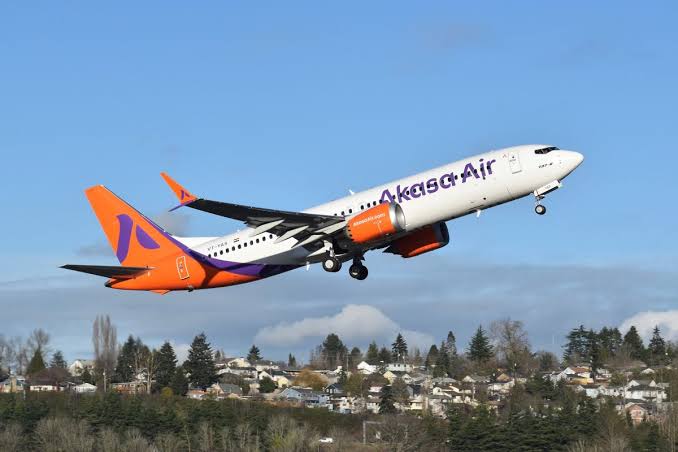
Akasa Air is planning to raise around ₹1,050 crore through a combination of equity and debt as the airline seeks to offset the financial impact of the ongoing Iran conflict, which has driven up jet fuel prices, disrupted flight operations, and increased operating costs across the aviation industry. According to people familiar with the matter, the fundraising will help the airline strengthen its balance sheet while supporting its expansion plans despite the challenging operating environment.
The proposed fundraising includes approximately ₹800 crore in equity from existing and new investors, along with at least ₹250 crore in debt from state-run banks under a government-backed credit line for airlines affected by the conflict. The move highlights the mounting financial pressure on airlines as geopolitical tensions continue to weigh on fuel costs and international flight operations.
Akasa Air Plans ₹1,050 Crore Fundraise
The airline is looking to strengthen its finances through a mix of equity and debt.
| Fundraising Details | Information |
|---|---|
| Company | Akasa Air |
| Total fundraising target | ₹1,050 crore |
| Equity component | Around ₹800 crore |
| Debt component | At least ₹250 crore |
| Purpose | Business operations and liquidity support |
The fundraising discussions are ongoing, and the final structure may change before completion.
Iran Conflict Raises Airline Costs
The ongoing conflict has significantly increased operating expenses for airlines.
Major challenges include:
- Higher aviation turbine fuel (ATF) prices.
- Flight disruptions.
- Longer flight routes due to airspace restrictions.
- Increased operating expenses.
- Pressure on profitability.
Jet fuel typically accounts for nearly 40% of an airline’s operating costs, making airlines particularly vulnerable to sharp increases in crude oil prices.
Equity and Debt Structure
According to reports, the proposed funding includes support from both existing and new investors.
Key details include:
- Existing shareholders expected to contribute about ₹500 crore.
- Remaining equity likely from one Asian and one U.S.-based investor.
- Debt discussions underway with state-owned banks.
- Possible use of the government’s aviation credit support scheme.
Akasa Air said it looks forward to utilizing the government’s credit line, where appropriate, to support its growth plans.
Growth Plans Continue
Despite industry headwinds, Akasa Air continues to expand its operations.
| Growth Indicator | Status |
|---|---|
| Fleet | 40 Boeing 737 MAX aircraft |
| Revenue growth (FY26) | 37% |
| Capacity growth target (FY27) | 30% |
The airline has continued adding routes and increasing capacity even as competitors have reduced operations amid higher costs.
Aviation Industry Under Pressure
The impact of the Iran conflict extends across the aviation sector.
Current industry challenges include:
- Rising fuel costs.
- Increased insurance expenses.
- Airspace closures.
- Longer international routes.
- Higher financing requirements.
Several airlines have introduced fuel surcharges or sought additional financing to manage the rising cost environment.
Why the Fundraise Matters
The additional capital is expected to help Akasa Air:
- Maintain liquidity.
- Support fleet expansion.
- Finance working capital.
- Absorb higher fuel expenses.
- Continue network growth.
The fundraising also provides financial flexibility as the airline pursues long-term expansion despite near-term geopolitical uncertainties.
Outlook
Akasa Air’s planned ₹1,050 crore fundraising reflects the growing financial challenges facing airlines amid rising fuel prices and geopolitical instability. While the Iran conflict has increased operating costs across the aviation industry, the airline remains focused on expanding its fleet and route network. If completed, the new capital should strengthen its balance sheet and provide additional resources to support growth while navigating a volatile operating environment.
What It Means for India’s Aviation Sector
Akasa Air’s fundraising plans illustrate how geopolitical events can quickly reshape the economics of the aviation industry. Rising fuel prices, disrupted air routes, and higher operating costs are forcing airlines to strengthen their finances through equity infusions, bank borrowings, and government-backed credit facilities.
For India’s aviation sector, the development underscores the importance of maintaining adequate liquidity during periods of global uncertainty. As carriers continue expanding to meet strong passenger demand, access to capital will remain critical for funding fleet growth while managing cost pressures from fuel and international operations.
Get the day’s top stories in your inbox
One concise email. No spam, unsubscribe anytime.