Key takeaways
- Strait of Hormuz traffic has slowed as ship owners avoid a risky war zone.
- The waterway handles about one-fifth of the world’s oil trade, so any disruption matters fast.
- Fewer ships can mean higher freight costs, delayed cargoes, and jumpy oil prices.
- Energy buyers are watching this route closely because Asia depends heavily on Gulf oil.
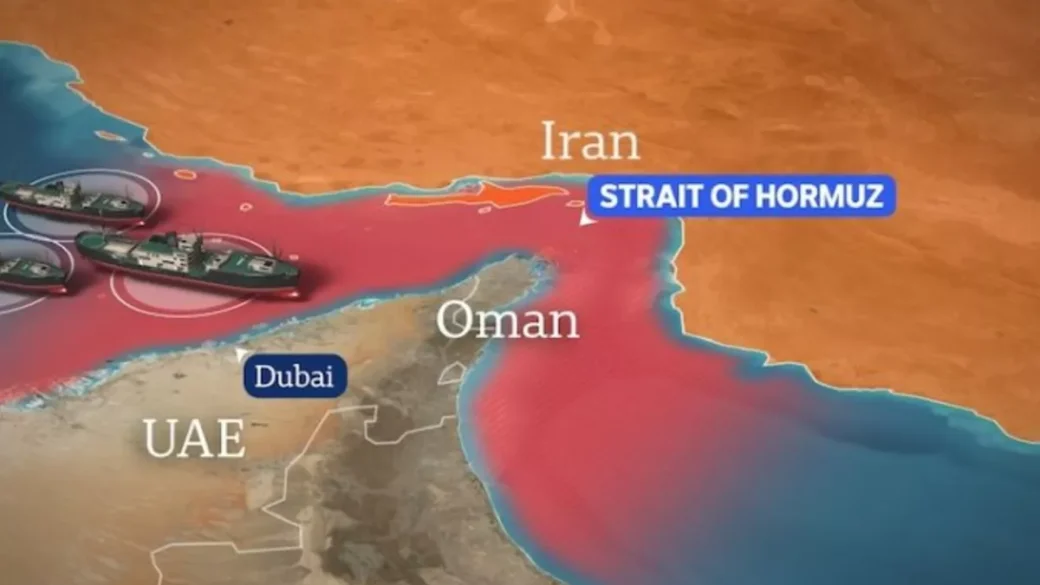
Strait of Hormuz traffic is the flow of ships through a narrow sea lane between Iran and Oman. It matters because this route carries huge amounts of oil and gas. Now that flow is slowing. Ship owners are pulling back as fighting between the US and Iran raises the danger at sea.
Why is Strait of Hormuz traffic falling now?
Shipping companies hate uncertainty, and the Gulf has a lot of it right now. Fresh fighting has made insurers, tanker owners, and cargo buyers more cautious. Insurance is money paid to cover losses. In shipping, it can shoot up when war risk rises.
The Strait of Hormuz is only about 33 kilometers wide at its narrowest point. Yet it is one of the world’s most important choke points. A choke point is a narrow route that many ships must use. If trouble hits there, global trade can feel it in days.
That is why Strait of Hormuz traffic gets so much attention. Analysts track ship counts, cargo bookings, and oil prices almost hour by hour. Some tanker operators are delaying voyages. Others are asking for more pay before they enter the area.
A simple truth explains the fear: ships cannot fight, and crews do not want to sail into danger. Even if the water stays open, the risk alone can cut traffic. That often happens before any full closure.
How important is Strait of Hormuz traffic to the world?
It is hard to overstate this route. The US Energy Information Administration says roughly 20% of global petroleum liquids moved through the strait in recent years. Petroleum liquids means crude oil and other fuel products. That is about 20 million barrels a day, which is an enormous amount.
Liquefied natural gas also uses this lane. Liquefied natural gas, or LNG, is gas cooled into liquid form for shipping. Qatar and the United Arab Emirates send major energy cargoes through these waters, so Asian buyers are especially exposed.
Here is the core point in one line:
Strait of Hormuz traffic matters because a short stretch of water helps move a giant share of the world’s fuel, so even a small slowdown can ripple into prices, shipping costs, and supply planning worldwide.
India is one of the countries that watches this closely. It imports most of its crude oil, and a big share comes from the Middle East. You can see why higher energy risk matters for inflation, trade, and even the rupee. For more on India’s broader import pressure, see our report on crude oil imports hitting $50 billion in India’s first quarter.
What do the latest numbers show?
Data points can shift day by day, but the broad trend is clear. Fewer ships are entering the strait than traders expected before the latest clash. Some market trackers have reported sharp drops in tanker transits on key days, while charter rates have climbed.
Charter rates are the prices paid to hire ships. When risk rises, those rates often jump. Oil benchmarks also react quickly. Brent crude can move several dollars in a single session when traders fear a supply shock.
Key numbers around Strait of Hormuz trafficOil share~20%Oil flow~20 mb/dWidth~33 km
The chart above uses rounded figures from widely cited public energy data. Those figures help explain why Strait of Hormuz traffic can shake markets so fast. A narrow route carries huge volumes. That imbalance is the whole story.
| Measure | Approximate figure | Why it matters |
|---|---|---|
| Share of global petroleum liquids | About 20% | A disruption can move world oil prices |
| Oil flow through the strait | About 20 million barrels a day | Huge daily supply passes one route |
| Narrowest width | About 33 km | Ships have limited room to reroute nearby |
What happens to oil prices and shipping costs?
Usually, risk pushes prices up before any actual shortage appears. Traders buy oil futures because they fear tighter supply ahead. Futures are contracts to buy or sell later at a set price. That can lift prices today, even before cargoes are delayed.
Shipping costs can also spike. A tanker owner may ask for a war-risk premium. A premium is an extra fee on top of the normal price. Crews may also need hazard pay, and some operators may choose longer routes for safety.
That matters for everyday life. If oil stays expensive, transport and factory costs can rise. Then fuel, flights, and goods may cost more. This is one reason central banks and finance ministries track energy routes closely.
For India, cost pressure could combine with currency moves and imported inflation. If you want the background on how global money shifts can affect rates, read our explainer on exchange rates and volatile flows. It helps show why shipping shocks do not stay at sea.
Can ships simply use another route?
Not really, at least not fully. That is the big problem. The Strait of Hormuz is the main exit for Gulf producers sending cargoes east and west. Some pipelines exist, but they cannot replace all seaborne shipments.
So Strait of Hormuz traffic stays critical even when tensions rise. Buyers can tap stockpiles for a while. Stockpiles are stored reserves of oil or fuel. But if disruption lasts, those buffers shrink and prices often climb again.
Meanwhile, shipping firms must make hard calls fast. They weigh crew safety, insurance cost, naval advice, and customer deadlines. Official guidance from authorities such as the US Energy Information Administration and maritime agencies helps, but no rule removes the danger.
What should readers watch next on Strait of Hormuz traffic?
First, watch whether attacks spread or calm down. A ceasefire would likely steady markets fast. But fresh strikes could reduce Strait of Hormuz traffic further. That would put more pressure on oil prices and tanker rates.
Second, watch insurance and freight numbers, not just crude prices. Those costs can reveal stress early. In fact, freight often jumps before consumers notice anything at the pump. The shipping market is like a smoke alarm for energy trade.
Third, watch big importers in Asia. India, China, Japan, and South Korea all have a lot at stake. India’s industrial health also shapes energy demand, so our story on core infrastructure growth hitting 5% in June offers useful context.
Finally, keep an eye on official ship advisories and military escorts. If more navies step in, confidence may improve. You can also track public energy background from the International Energy Agency. For now, the message is simple: Strait of Hormuz traffic is slowing because fear itself can disrupt trade.
FAQs
What is the Strait of Hormuz?
It is a narrow sea route between Iran and Oman. Many oil and gas ships use it every day.
Why does Strait of Hormuz traffic affect oil prices?
Because a large share of the world’s fuel moves through this route. If ships slow down, traders fear less supply.
Who is most affected if Strait of Hormuz traffic falls?
Oil exporters in the Gulf are affected first. Big importers in Asia, including India, also feel the impact quickly.
Get the day’s top stories in your inbox
One concise email. No spam, unsubscribe anytime.