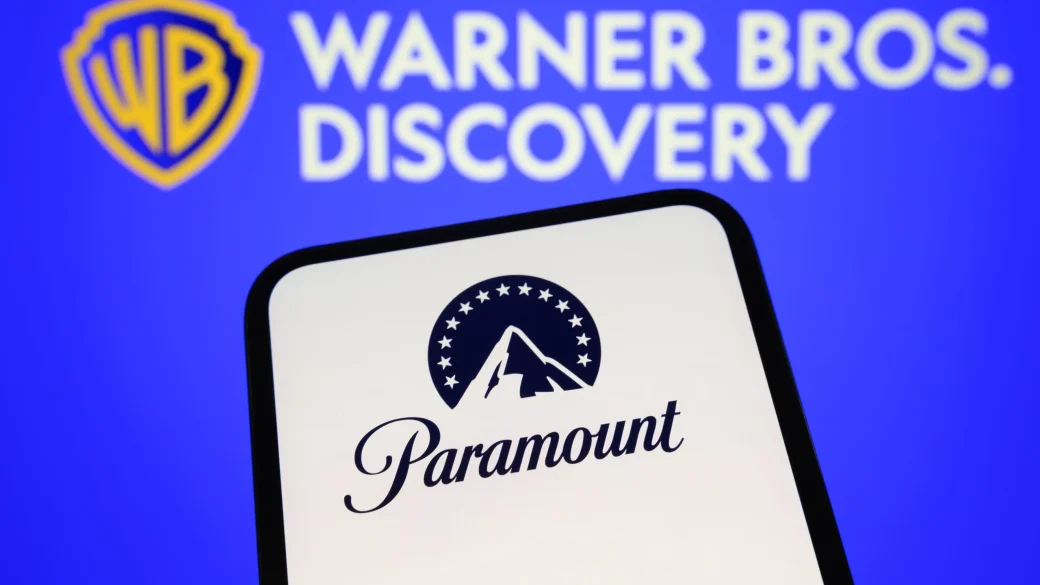
A coalition of 12 U.S. states, led by California, has filed a lawsuit seeking to block Paramount Skydance’s proposed $110 billion acquisition of Warner Bros. Discovery, arguing that the merger would significantly reduce competition across the film, television, and cable industries. The legal challenge marks one of the biggest obstacles yet to what would become one of the largest media mergers in history.
The lawsuit alleges that combining Paramount and Warner Bros. Discovery would create an entertainment giant with excessive market power, potentially leading to higher prices for consumers, fewer choices in movies and television programming, lower wages for workers, and reduced competition in theatrical film distribution and cable licensing. Paramount has rejected the allegations, maintaining that the merger would strengthen its ability to compete with global streaming platforms and technology companies.
12 States Challenge the Merger
The attorneys general are asking a federal court to prevent the transaction from closing.
| Merger Overview | Details |
|---|---|
| Acquirer | Paramount Skydance |
| Target | Warner Bros. Discovery |
| Deal value | $110 billion |
| Legal challenge | Antitrust lawsuit by 12 U.S. states |
The coalition argues the merger violates U.S. antitrust laws by substantially reducing competition in key entertainment markets.
Why States Oppose the Deal
According to the lawsuit, the merger could:
- Increase movie ticket prices.
- Raise cable television costs.
- Reduce consumer choice.
- Lower wages for entertainment workers.
- Limit competition in film distribution.
- Increase concentration in media ownership.
The states contend that these effects would ultimately harm consumers, theaters, cable distributors, and creative professionals.
Scale of the Combined Company
If completed, the merger would unite some of the biggest brands in entertainment.
| Combined Assets | Examples |
|---|---|
| Film studios | Paramount Pictures, Warner Bros. Pictures |
| Streaming | Paramount+, HBO Max |
| News | CBS, CNN |
| Entertainment networks | MTV, Nickelodeon, HBO |
The states estimate the combined company would control nearly one-third of the U.S. theatrical film distribution and basic cable programming markets.
Paramount’s Response
Paramount has defended the proposed transaction.
The company argues that the merger would:
- Improve operational efficiency.
- Strengthen competition against global streaming rivals.
- Support long-term investment in content.
- Enhance consumer offerings.
The company also maintains that the states’ legal challenge misinterprets antitrust law and could delay benefits for consumers and the entertainment industry.
Potential Financial Impact
The lawsuit could delay completion of the deal.
Key implications include:
- Extended court proceedings.
- Regulatory uncertainty.
- Additional legal expenses.
- Possible financial penalties if closing deadlines are missed.
According to the merger agreement, Paramount may have to make quarterly payments to Warner Bros. Discovery shareholders if the transaction is delayed beyond specified deadlines.
Broader Industry Implications
The case highlights growing scrutiny of large media mergers.
Major concerns include:
- Media consolidation.
- Competition in streaming.
- Consumer pricing.
- Content diversity.
- Employment in the entertainment sector.
The lawsuit reflects a broader debate over whether further consolidation benefits consumers or concentrates too much market power in a handful of media companies.
Outlook
The antitrust lawsuit introduces a significant legal hurdle for Paramount’s proposed acquisition of Warner Bros. Discovery. While the merger has already received federal approval, the state-led challenge could delay or potentially reshape the transaction depending on the outcome of the court proceedings. The case is also likely to become an important test of how U.S. antitrust authorities and state governments approach consolidation in the rapidly evolving media and streaming industries.
What It Means for the Media Industry
The lawsuit underscores the increasing willingness of U.S. states to challenge major corporate mergers even after federal regulators have approved them. As streaming platforms compete for subscribers and traditional media companies seek greater scale, antitrust concerns over market concentration, pricing power, and content diversity are becoming more prominent.
For consumers, the outcome could influence the future structure of the entertainment industry, determining whether companies continue to consolidate to compete with technology giants or face stricter limits on mergers that could reduce competition.
Get the day’s top stories in your inbox
One concise email. No spam, unsubscribe anytime.