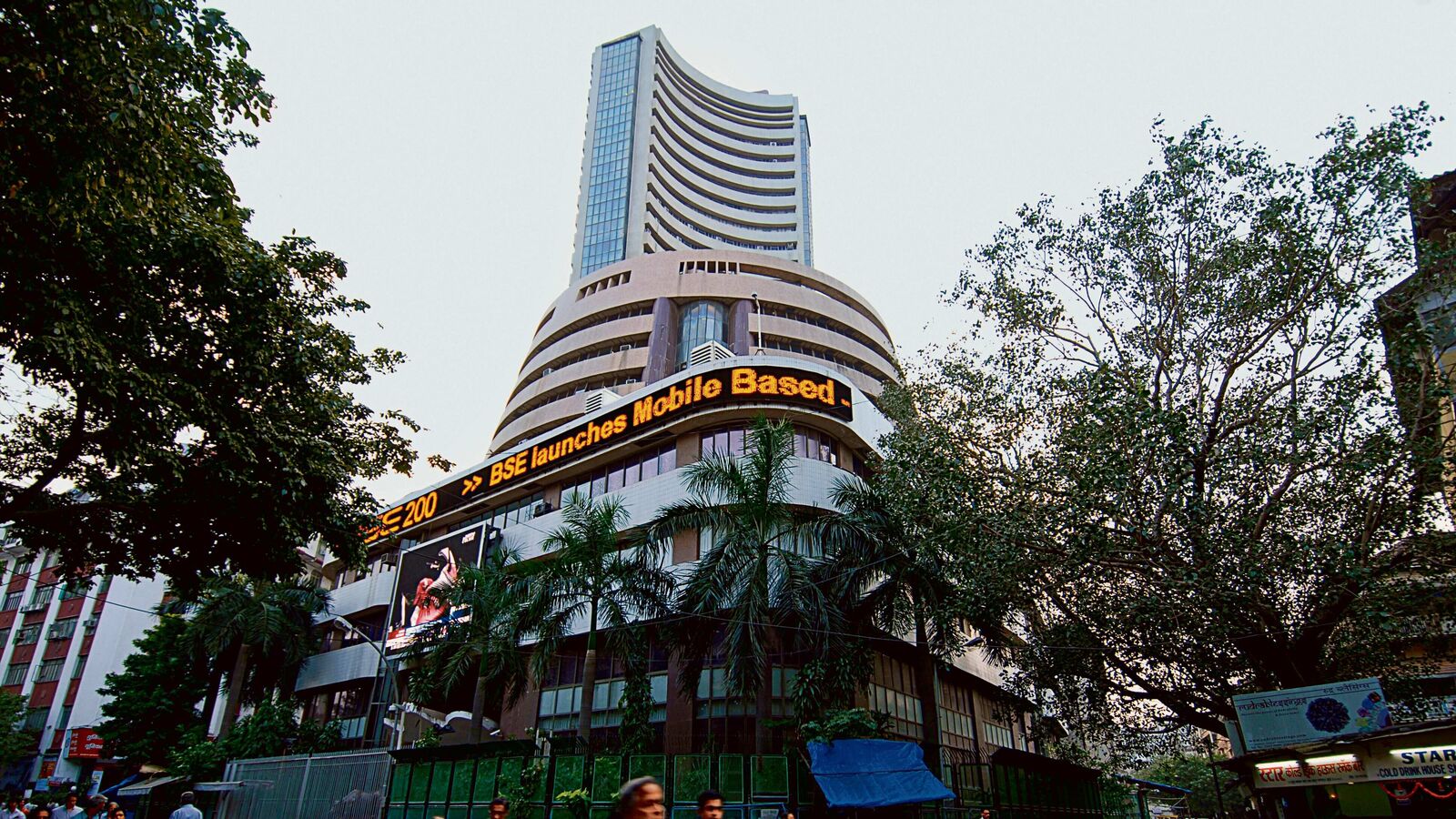
According to detailed analysis from Morgan Stanley’s Head of India Research and Chief India Equity Strategist, Ridham Desai, Indian equities are poised to break out of a prolonged period of relative underperformance and enter a fresh bull phase.
The brokerage has established a base case target of 95,000 for the Sensex by December 2026 (with a highly optimistic bull case stretching to 1,07,000 if global macro conditions turn ideal).
Morgan Stanley identifies a highly specific set of catalysts and structural shifts that can trigger this next major market rally:
1. Domestic Aggressive Reflationary Policies
The single biggest near-term trigger is the synchronized pivot by Indian policymakers toward boosting growth. After a period of tight control, the financial ecosystem is being injected with significant momentum:
- The Monetary Shift: The Reserve Bank of India (RBI) has turned distinctly dovish—deploying interest rate cuts, reducing the Cash Reserve Ratio (CRR), injecting market liquidity, and easing bank regulations. This combination is actively lowering the cost of capital.
- Fiscal Front-Loading: The government has heavily front-loaded its structural capital expenditure (capex) while executing a massive ₹1.5 trillion GST rate cut to directly stimulate urban consumer demand.
2. Evidence of AI-Driven Productivity Gains
Morgan Stanley highlights that India’s biggest near-term structural drag has been a lack of direct local artificial intelligence plays, raising concerns about potential disruption to India’s massive services export economy.
However, this challenge doubles as a primary trigger. Any definitive evidence that Indian IT and services firms are successfully using AI to unlock deep internal productivity and profit margin gains—rather than suffering from client cost-cutting—will trigger an immediate structural re-rating of the sector.
3. Improving Geopolitical Terms of Trade
External diplomatic and trade resets are aligning heavily in India’s favor. The analysis highlights that improving ties between India and China, combined with Beijing’s anti-involution industrial policies, is easing pressure on regional supply chains. Furthermore, the finalization of a major India-U.S. trade deal stands as a massive potential regulatory trigger to unleash foreign institutional investment.
4. The Macro Scenario Framework
Morgan Stanley outlines three clear probabilities for how this rally plays out over the next 18 months:
| Market Scenario | Sensex Target (Dec 2026) | Probability | Underlying Triggers Required |
| The Bull Case | 1,07,000 | 30% | Crude oil structural collapse below $70/barrel; Sensex corporate earnings expanding at an aggressive 19% CAGR (FY25–FY28). |
| The Base Case | 95,000 | 50% | Stable macroeconomic discipline; real economic growth consistently outpacing real interest rates; steady private capex revival. |
| The Bear Case | 76,000 | 20% | Crude oil spikes above $100/barrel forcing the RBI to aggressively tighten liquidity; severe U.S. recession compressing global valuations. |
The Structural Advantage: Structurally lower interest rates, reduced domestic reliance on oil, and declining volatility in inflation are fundamentally driving higher P/E multiples. Combined with the massive financialization of Indian household balance sheets—proven by persistent, systematic inflows into domestic mutual funds—the baseline market setup points tightly to a strong structural comeback.
Morgan Stanley India Bull Case Review
This analysis highlights the specific parameters under which Morgan Stanley envisions the Sensex rallying toward its six-figure milestone, backed by structural domestic cycles and corporate earnings tracking.
Get the day’s top stories in your inbox
One concise email. No spam, unsubscribe anytime.