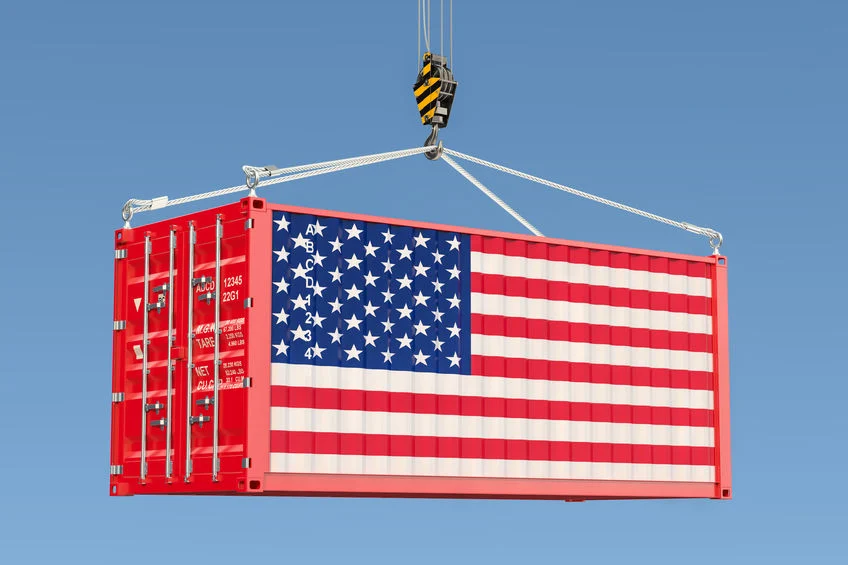
The United States has announced a 25% tariff on selected imports from Brazil, escalating trade tensions between the two countries after a year-long investigation into what Washington describes as unfair Brazilian trade practices. The tariffs, imposed under Section 301 of the U.S. Trade Act of 1974, will take effect on July 22, 2026, and apply to thousands of Brazilian products, although several key imports have been exempted.
According to the Office of the U.S. Trade Representative (USTR), the investigation found that Brazil maintained policies related to digital trade, intellectual property, ethanol market access, anti-corruption enforcement, and environmental regulation that unfairly burden U.S. commerce. U.S. officials said negotiations failed to resolve the issues, while Brazil has rejected the allegations and signaled it may respond under its trade reciprocity law.
US Imposes 25% Tariffs on Brazilian Imports
The move marks a significant escalation in bilateral trade disputes.
| Key Highlights | Details |
|---|---|
| Country imposing tariffs | United States |
| Target | Selected imports from Brazil |
| Tariff rate | 25% |
| Legal basis | Section 301 of the U.S. Trade Act |
| Effective date | July 22, 2026 |
The action follows a year-long U.S. investigation into Brazil’s trade practices.
Why the US Imposed the Tariffs
The USTR cited several concerns.
These include:
- Digital trade policies.
- Intellectual property protections.
- Ethanol market access.
- Anti-corruption enforcement.
- Environmental and deforestation-related practices.
- Other measures viewed as restricting U.S. commerce.
U.S. officials said discussions with Brazil did not produce an agreement, though Washington remains open to further negotiations.
Products Affected
The tariffs cover thousands of Brazilian products, including a range of industrial and manufactured goods.
However, several major exports are exempt, including:
- Coffee.
- Beef.
- Oranges and certain citrus products.
- Energy products.
- Aerospace components.
The exemptions are intended to reduce disruption to U.S. consumers and supply chains.
Brazil’s Response
| Issue | Brazil’s Position |
|---|---|
| Trade allegations | Rejects U.S. claims |
| Negotiations | Says it cooperated during the investigation |
| Possible action | May retaliate under reciprocity law |
| Overall stance | Calls the tariffs unjustified |
Brazilian officials argue the country’s policies comply with international trade rules and have criticized the U.S. decision as politically motivated.
Potential Economic Impact
The tariffs could affect:
- Bilateral trade flows.
- Brazilian exporters.
- U.S. importers.
- Supply chains for industrial goods.
- Future trade negotiations.
Although major agricultural exports were excluded, manufacturers in both countries may face higher costs and increased uncertainty.
Why This Matters
The decision represents the first major use of the Trump administration’s revised trade strategy under Section 301 after earlier tariff approaches faced legal challenges. It also reflects a broader shift toward country-specific trade enforcement targeting practices the U.S. considers unfair.
Challenges Ahead
Several uncertainties remain.
These include:
- Whether Brazil will impose retaliatory measures.
- The possibility of renewed negotiations.
- Potential legal challenges.
- The impact on businesses operating across both markets.
- Broader implications for global trade relations.
The dispute could influence future trade policy toward other major U.S. trading partners.
Outlook
The 25% tariffs mark a new phase in U.S.-Brazil trade relations, with Washington taking a tougher stance on what it considers unfair trade practices. While the exemptions for key commodities such as coffee, beef, and aerospace components limit the immediate impact on some industries, the broader tariff package is likely to increase costs for affected exporters and importers while adding uncertainty to bilateral commerce.
Whether tensions escalate further will depend on Brazil’s response and the willingness of both governments to resume negotiations. If a compromise is not reached, the dispute could lead to additional trade measures and influence broader discussions on digital trade, market access, and international commerce.
What It Means for Global Trade
The latest U.S. action underscores the growing use of targeted tariffs as a tool to address perceived trade imbalances and regulatory disputes. It also highlights how trade policy is increasingly extending beyond traditional tariffs to include issues such as digital markets, intellectual property, environmental standards, and industrial policy.
For businesses, the development reinforces the need to diversify supply chains and monitor geopolitical risks, as trade measures between major economies continue to reshape global manufacturing and investment decisions.
Get the day’s top stories in your inbox
One concise email. No spam, unsubscribe anytime.