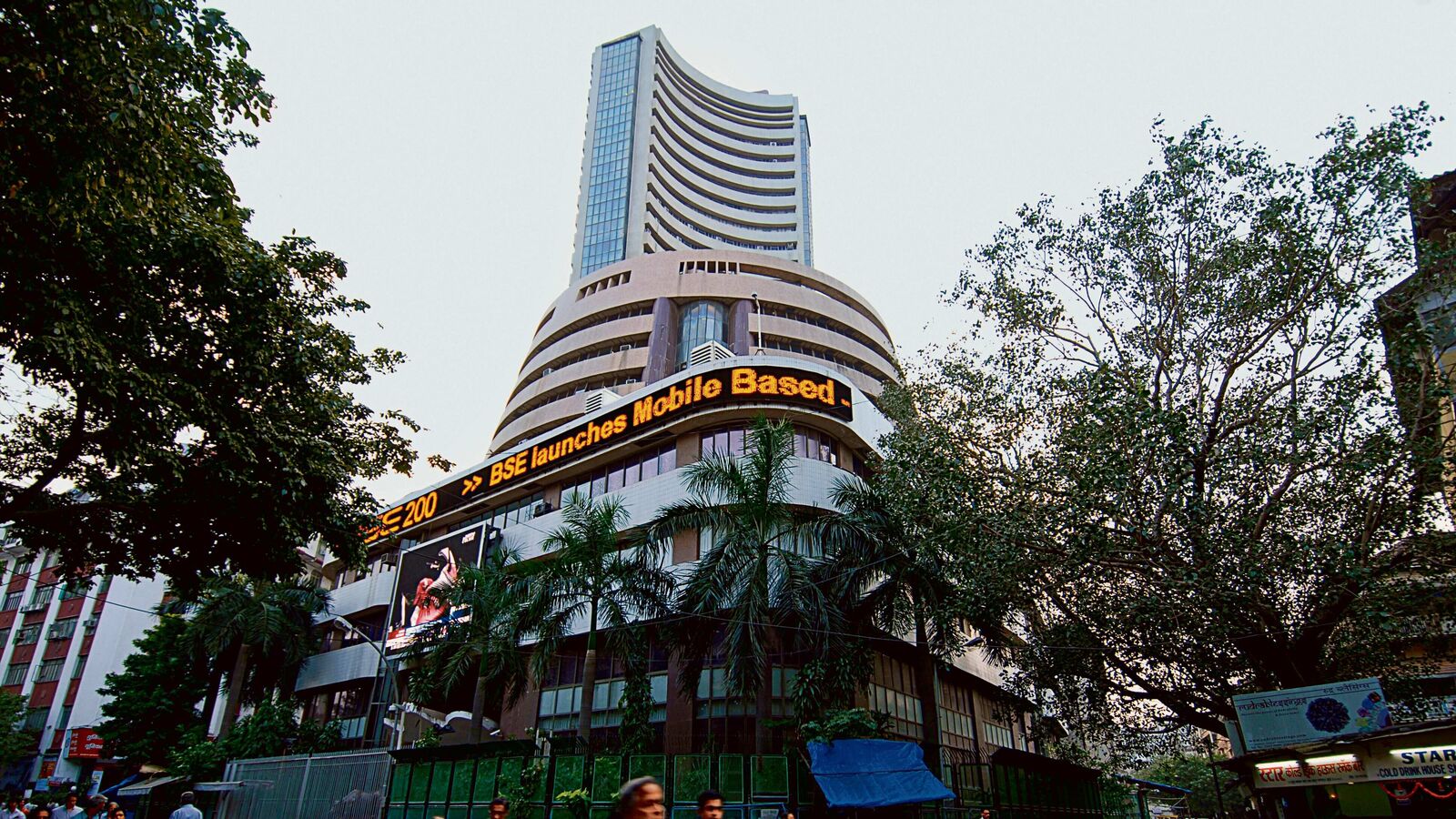
India could attract up to $2.3 billion in passive foreign inflows following the upcoming MSCI index review, according to estimates by brokerage firms and market analysts. The expected inflows are linked to changes in the MSCI Global Standard Indexes, where several Indian companies are likely to see increased weightages or fresh inclusion, prompting global passive funds that track MSCI indices to rebalance their portfolios.
The review is significant because trillions of dollars in assets worldwide are benchmarked against MSCI indices. Any change in index composition or stock weightings typically triggers automatic buying or selling by exchange-traded funds (ETFs) and index funds.
MSCI Review Could Boost Foreign Inflows
The upcoming review may strengthen foreign institutional participation in Indian equities.
| Key Highlights | Details |
|---|---|
| Event | MSCI Index Review |
| Estimated inflows | Up to $2.3 billion |
| Source of flows | Passive global funds |
| Driver | Index rebalancing and stock inclusions |
| Market impact | Higher institutional demand |
The final inflow amount will depend on MSCI’s official review outcome and subsequent fund rebalancing.
Why MSCI Reviews Matter
MSCI periodically reviews its global equity indices.
These reviews determine:
- Addition of new companies.
- Removal of existing constituents.
- Changes in stock weightings.
- Free-float adjustments.
- Market capitalization updates.
Because many international investment funds replicate MSCI indices, changes automatically influence capital flows.
How Passive Inflows Work
When a company is added to an MSCI index:
- Index funds purchase its shares.
- ETFs rebalance portfolios.
- Institutional ownership may increase.
- Trading volumes often rise.
- Short-term liquidity improves.
Similarly, companies removed from an index may experience temporary selling pressure.
Potential Benefits for Indian Markets
| Benefit | Impact |
|---|---|
| Foreign capital inflows | Improved market liquidity |
| Higher institutional ownership | Greater investor participation |
| Increased trading volumes | Better price discovery |
| Global visibility | Stronger international investor interest |
Large passive inflows can also improve liquidity for individual stocks included in the index.
Why India Continues to Attract Global Investors
Several structural factors continue to support investor interest.
These include:
- Strong economic growth.
- Expanding corporate earnings.
- Increasing domestic consumption.
- Robust capital markets.
- Growing weight in emerging market indices.
- Stable long-term investment outlook.
India has remained one of the preferred destinations for global emerging-market investors.
What Investors Should Watch
Market participants will closely monitor:
- Official MSCI review results.
- Stocks added or removed.
- Weightage changes.
- Estimated passive fund flows.
- Market reaction during rebalancing.
Actual price movements may differ from estimated inflows depending on broader market conditions.
Challenges Ahead
Despite positive inflow expectations, several factors could influence outcomes.
These include:
- Global interest-rate trends.
- Currency fluctuations.
- Geopolitical developments.
- Foreign institutional investor sentiment.
- Domestic market valuations.
Passive inflows are generally driven by index methodology rather than short-term market sentiment.
Outlook
The upcoming MSCI review has the potential to bring approximately $2.3 billion of passive foreign investment into Indian equities, reinforcing India’s growing importance within global emerging-market portfolios. Although these flows are largely mechanical and index-driven, they can improve liquidity, strengthen institutional participation, and increase global visibility for companies included in the benchmark.
Looking ahead, sustained foreign investment will continue to depend on India’s economic fundamentals, corporate earnings growth, and long-term policy stability. While index-related inflows can provide short-term support to markets, long-term performance will remain closely tied to business fundamentals and macroeconomic conditions.
What It Means for Investors
For investors, MSCI reviews often create opportunities around stocks expected to be added to or receive higher index weightings, as passive funds are required to purchase these shares. However, price movements before and after the review can also be influenced by speculative positioning and broader market sentiment.
For India’s capital markets, continued increases in MSCI representation would further strengthen the country’s position among global emerging markets and support deeper participation from international institutional investors over the long term.
Get the day’s top stories in your inbox
One concise email. No spam, unsubscribe anytime.