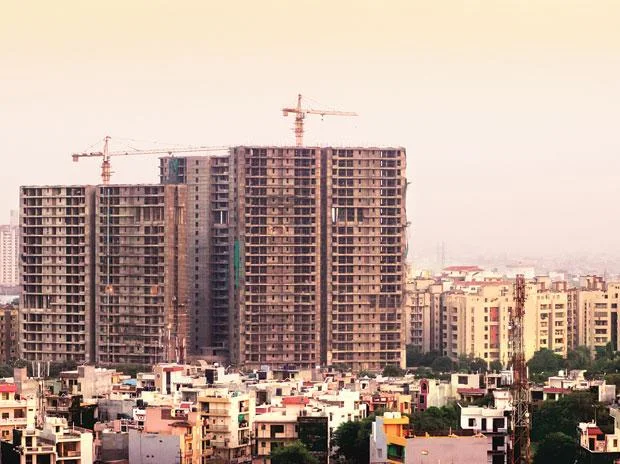
India’s real estate landscape is undergoing a massive structural shift. Saturated tier-I metropolitan hubs face skyrocketing land costs, compressed margins, and supply exhaustion. Consequently, leading national developers are heavily expanding their footprints into emerging tier-II housing markets.
Once viewed as sleepy, localized markets driven by small builders, tier-II cities have rapidly transformed into the core growth engine for Indian real estate.
1. The Numbers Driving the Shift
Data highlights that tier-II real estate is no longer a speculative bet; it is a high-volume reality closing the gap with major metros:
- 14% Sector CAGR: Tier-II residential markets as a whole posted a healthy 14% compound annual growth rate (CAGR) between FY21 and FY26.
- Outpacing Metros: Individual high-performing cities like Nagpur, Coimbatore, and Lucknow recorded growth clips of roughly 20%, outpacing the 19% average seen across India’s top 10 metropolitan hubs.
- Credit Surge: Retail home loan disbursements across tier-II locations have maintained a growth rate of over 15%, flashing a strong consumer appetite for formal housing credit.
2. Why Developers are Packing Their Bags
National real estate heavyweights like Godrej Properties, Phoenix Mills, Sobha, and Adani Realty are systematically building out land banks in secondary markets due to a distinct mix of structural advantages:
Plaintext
[ THE TIER-II GROWTH MATRIX ]

├── Infrastructure Tailwinds ──► Smart City initiatives, new expressways, and regional airports
├── Favorable Economics     ──► Cheaper land acquisition costs + robust price appreciation
└── Decentralized Wealth     ──► Corporate relocation, expanding IT/manufacturing, and local entrepreneurs
- The Infrastructure Catalyst: Massive central and state-level upgrades—ranging from the Smart City Mission to the deployment of regional rapid transport networks and expressways—have drastically shortened the connectivity gap.
- The “Premiumization” Wave: Wealth creation is rapidly decentralizing. A rising class of local business owners, professionals, and corporate workers are pushing demand toward upscale living. For example, in Lucknow, projects like Jashn Golf Estate are rolling out golf-facing ultra-luxury residences carrying price tags of up to ₹12 crore, proving that appetite for international-standard amenities has fully penetrated tier-II ecosystems.
- Favorable Inventory Dynamics: Historically, secondary markets were prone to sudden oversupply and brutal price corrections. However, a disciplined approach by developers has kept unsold inventory low, sitting at a highly stable 15 to 20 months of sales, ensuring a resilient floor for property values.
3. The Emerging Two-Tier Divergence
As capital pours in, tier-II markets are splitting into two distinct asset classes based on local economic drivers:
The Premium Residential Tier
Driven by expanding IT parks, tech hubs, and corporate wealth creation, these cities have evolved into premium micro-markets where more than 20% of active housing supply is priced above ₹2 crore. Average ticket sizes have cleared the ₹1 crore milestone.
- Key Cities: Indore, Lucknow, Surat, and Bhubaneswar.
The Industrial / Mass-Market Tier
Driven by heavy manufacturing, textiles, and regional logistics corridors, these markets focus squarely on volume-led growth and steady retail demand. Affordability remains the top priority, with more than 75% of active inventory priced below ₹75 lakh.
- Key Cities: Jaipur, Nagpur, Nashik, and Vadodara.
4. Risks Whispered Under the Hype
Despite the structural tailwinds, entering tier-II markets demands rigorous micro-market evaluation.
Plaintext
       METRO MARKETS                             TIER-II MARKETS
┌─────────────────────────┐               ┌─────────────────────────┐
│ • High Liquidity        │               │ • Smaller Market Size   │
│ • Predictable Demand    │      vs       │ • Lower Overall Liquidity│
│ • Higher Ticket Entry   │               │ • High Price Volatility │
└─────────────────────────┘               └─────────────────────────┘
Compared to deeply mature metropolitan regions, tier-II markets have a smaller aggregate size, lower resale liquidity, and higher exposure to speculative price spikes ungrounded by actual economic fundamentals. Furthermore, while home loans are booming, a massive chunk of credit in cities like Coimbatore, Jaipur, and Indore is directed toward self-construction and home renovations rather than buying ready-built apartments from major developers.
For institutional developers, the mandate is clear: long-term survival in India’s next real estate frontiers hinges entirely on actual local job creation and infrastructure execution, not just developer marketing brochures.
Get the day’s top stories in your inbox
One concise email. No spam, unsubscribe anytime.