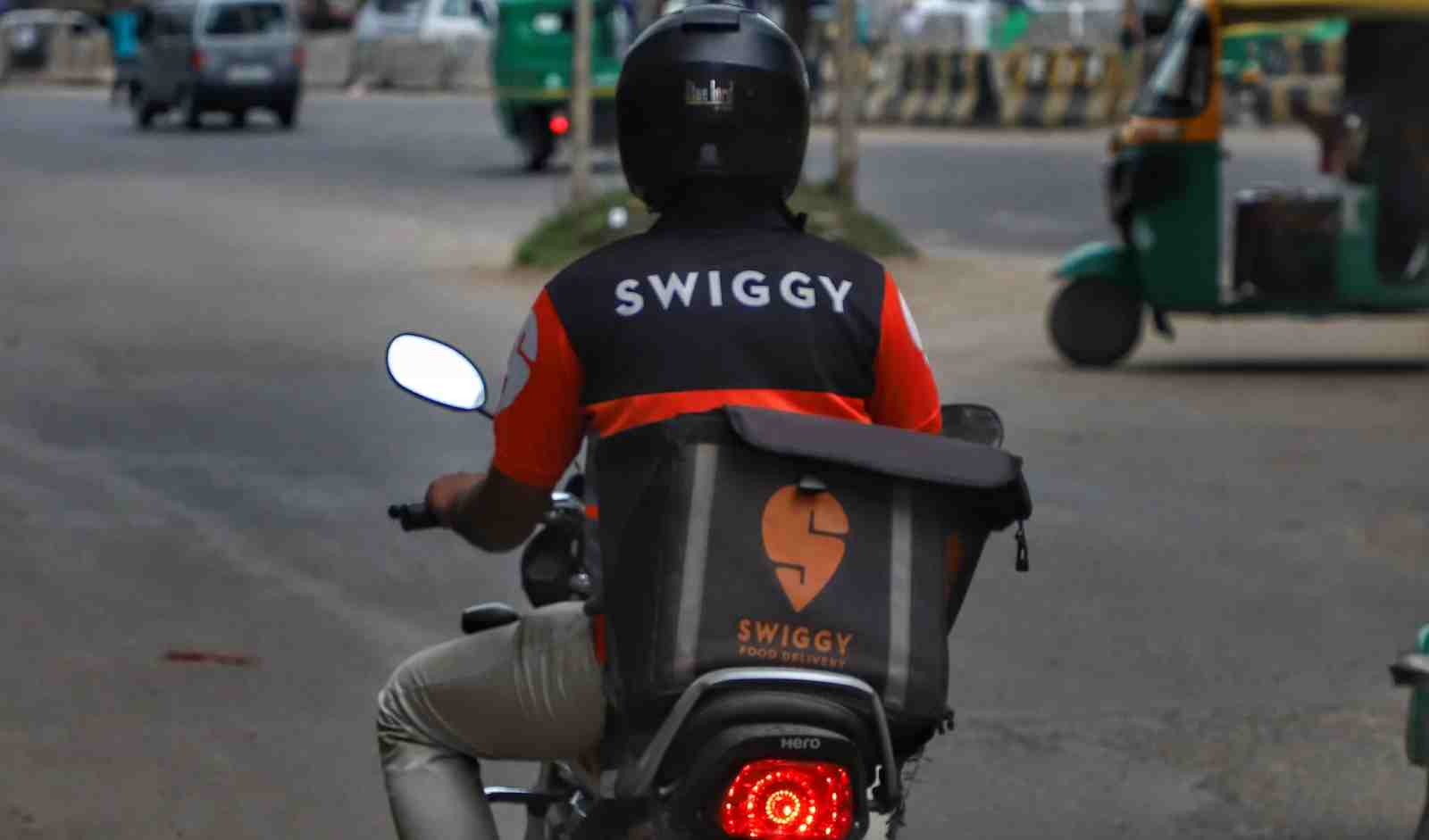
Food delivery and quick commerce major Swiggy has officially crossed the threshold to become a majority Indian-owned company. According to a stock exchange filing on July 7, 2026, the platform’s aggregate foreign institutional and direct investment dipped below the critical halfway mark.
The regulatory shift sparked immediate investor optimism, driving Swiggy’s shares up roughly 6% to an intraday high of ₹264.20 during trading.
1. The Shareholding Shift by the Numbers
Based on data compiled from its designated depository as of July 6, 2026, Swiggy’s equity distribution has organically flipped:
- Aggregate Foreign Shareholding: Fell to 49.76% of the company’s total paid-up equity share capital on a fully diluted basis. This dynamic umbrella includes Foreign Direct Investment (FDI), Foreign Portfolio Investment (FPI), and other indirect foreign routes.
- Domestic Shareholding: Concurrently climbed to 50.24%, establishing a home-grown retail and institutional majority.
The shift materialised over the past several quarters as early global venture capital backers systematically trimmed their pre-IPO stakes following Swiggy’s public listing.
2. Why “Indian-Owned” Status is a Game Changer for Instamart
The drop below 50% foreign equity isn’t just a corporate milestone; it holds massive operational implications for Swiggy’s hyper-growth engine, Instamart:
Plaintext
[ THE IOCC REGULATORY LEVER ]

  Foreign-Owned Marketplace ──► Prohibited from owning inventory (Relies on 3rd-party dark stores)
                                      │
                                      ▼ [Transitioning to IOCC Status]
                                      │
  Indian-Owned Ecosystem   ──► Direct inventory control permitted (Higher margins & supply chain command)
Under India’s Foreign Exchange Management Act (FEMA) rules, companies categorized as an Indian Owned and Controlled Company (IOCC) face far fewer operational hurdles.
- The Inventory Limitation: Pure foreign-funded e-commerce entities are restricted to a standard marketplace model and are legally barred from owning the retail inventory they sell.
- The Margin Boost: Securing an official IOCC status will theoretically allow Instamart to own and source its quick-commerce inventory directly. This structural pivot eliminates middlemen, provides unparalleled control over the supply chain, and significantly expands profit margins.
3. The Remaining Regulatory Hurdle
While the equity metrics have organically fallen into place, Swiggy explicitly clarified in its filing that the reduction in foreign holding does not, by itself, immediately alter its legal ownership or control status.
Plaintext
       May 2026 Board Vote                     Required Threshold
┌───────────────────────────────┐               ┌───────────────────────────────┐
│ • 72.36% Shareholder Approval │      vs       │ • 75.00% Special Resolution   │
│   (Missed by a 2.65% margin)  │               │   (Required to amend Articles)│
└───────────────────────────────┘               └───────────────────────────────┘
In May, Swiggy attempted to fast-track its IOCC conversion by proposing a special resolution to amend its Articles of Association. The vote secured 72.36% approval, narrowly missing the strict 75% regulatory threshold required for a constitutional amendment.
Now that domestic equity forms the technical majority, management is expected to engage back with the cap table to reintroduce the governance changes. If successful, Swiggy will become the second major Indian consumer-internet giant to successfully cross this line, following a similar localization path executed by Paytm’s parent, One97 Communications.
Get the day’s top stories in your inbox
One concise email. No spam, unsubscribe anytime.