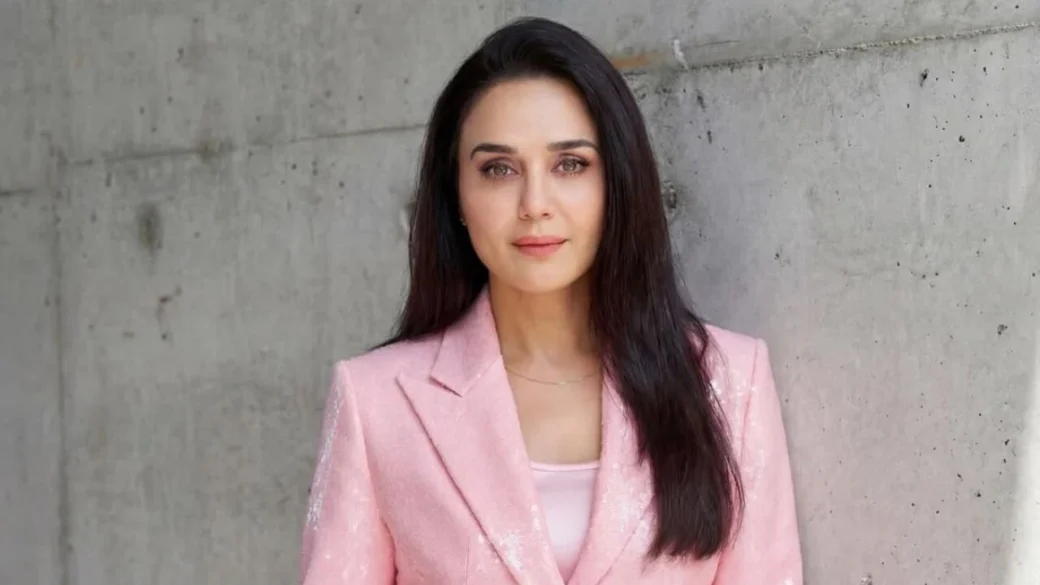
The Bombay High Court has granted interim relief to actor Preity Zinta, restraining the unauthorized use of her personality through AI-generated deepfakes, chatbots, digital avatars, voice cloning, and merchandise. The order reinforces the growing recognition of personality rights in India, particularly as artificial intelligence enables increasingly realistic misuse of celebrities’ identities.
The court directed multiple parties to stop creating, distributing, or commercially exploiting content that falsely suggests Preity Zinta’s endorsement or reproduces her likeness without authorization, pending the final outcome of the case.
Bombay High Court Protects Preity Zinta’s Personality Rights
The Bombay High Court issued an interim order in favor of Preity Zinta, recognizing the need to protect her identity from unauthorized commercial exploitation.
The relief covers the misuse of:
- AI-generated deepfakes.
- Voice cloning.
- AI chatbots impersonating her.
- Digital avatars.
- Unauthorized merchandise.
- False endorsements using her name or likeness.
The order aims to prevent confusion among consumers and safeguard the actor’s commercial and reputational interests.
AI Deepfakes Under Judicial Scrutiny
The case highlights growing legal concerns surrounding generative AI technologies capable of creating highly realistic fake content.
Deepfakes can be used to:
- Impersonate public figures.
- Spread misinformation.
- Create fake endorsements.
- Damage reputations.
- Mislead consumers.
- Enable online fraud.
Courts are increasingly being asked to balance technological innovation with the protection of individual rights.
Merchandise and Digital Misuse Restricted
The interim relief also extends to unauthorized commercial products and digital services exploiting Preity Zinta’s identity.
The restrictions include:
- Merchandise featuring her likeness without permission.
- AI-powered chatbots impersonating her.
- Unauthorized promotional material.
- Digital collectibles.
- Online advertisements suggesting endorsement.
- Commercial use of her personality rights.
The court emphasized that such activities could amount to unlawful commercial exploitation.
Growing Importance of Personality Rights
As AI tools become more accessible, personality rights are emerging as a significant area of intellectual property and privacy law.
The ruling reflects broader concerns around:
- Celebrity identity protection.
- AI-generated content.
- Digital impersonation.
- Consumer protection.
- Intellectual property rights.
- Ethical AI deployment.
Legal experts expect similar disputes to increase as generative AI adoption accelerates.
Implications for AI Platforms
The order serves as a reminder that developers, platforms, and businesses using AI-generated content must ensure they do not infringe upon an individual’s personality or publicity rights.
Companies deploying generative AI are increasingly expected to implement safeguards against:
- Unauthorized impersonation.
- Fake endorsements.
- Identity misuse.
- Copyright violations.
- Defamatory content.
- Commercial exploitation without consent.
Outlook
The Bombay High Court’s interim relief in favor of Preity Zinta marks another important step in the evolution of personality rights in the age of artificial intelligence. By extending protection against AI deepfakes, chatbots, voice cloning, and unauthorized merchandise, the court has reinforced the principle that an individual’s identity cannot be commercially exploited without consent.
As AI-generated content becomes more sophisticated, similar legal actions are expected to shape the future of digital identity protection and responsible AI use in India.
Get the day’s top stories in your inbox
One concise email. No spam, unsubscribe anytime.