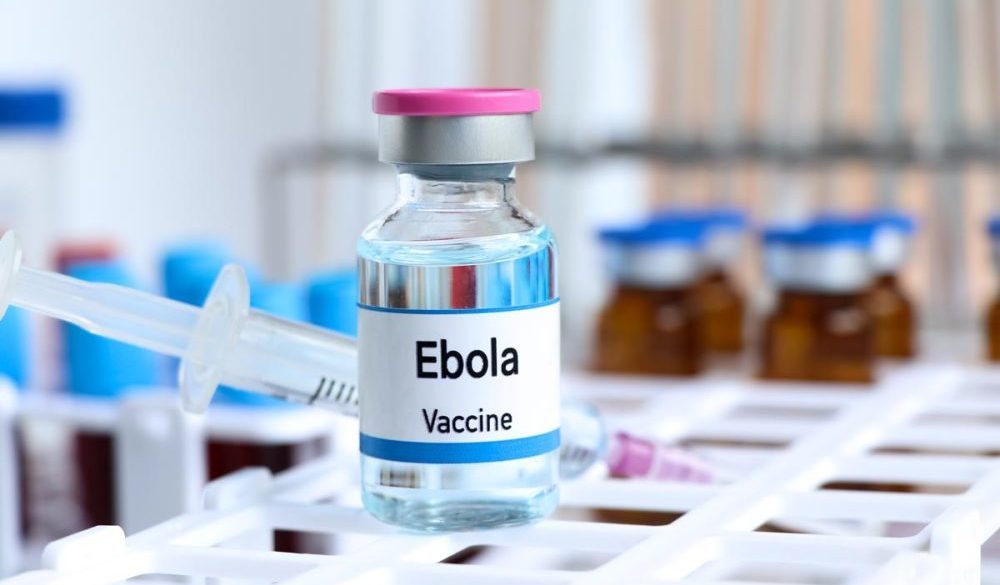
The University of Oxford has launched the world’s first human clinical trial of a vaccine targeting the Bundibugyo strain of the Ebola virus, marking a significant milestone in the global response to the ongoing outbreak in the Democratic Republic of the Congo (DRC) and Uganda. The Phase I study, known as BD-Ebov, will evaluate the safety and immune response of the ChAdOx1 BDBV vaccine in 50 healthy adult volunteers aged 18 to 55 in Oxford.
The vaccine candidate was developed in record time—less than two months after the World Health Organization identified the Bundibugyo outbreak as a global priority. It uses the same ChAdOx1 viral vector platform that powered the Oxford–AstraZeneca COVID-19 vaccine. The Serum Institute of India (SII) has already manufactured approximately 620,000 doses of the vaccine candidate and supplied 4,000 investigational doses for the Phase I trial, enabling rapid deployment if the vaccine proves safe and effective.
Oxford Begins First Human Trial for Bundibugyo Ebola Vaccine
The trial aims to accelerate the development of protection against a rare but deadly Ebola strain.
| Trial Overview | Details |
|---|---|
| Institution | University of Oxford |
| Vaccine | ChAdOx1 BDBV |
| Disease target | Bundibugyo ebolavirus |
| Trial phase | Phase I |
| Participants | 50 healthy adults (18–55 years) |
| Location | Oxford, United Kingdom |
The study will primarily assess the vaccine’s safety while measuring the immune response generated in participants.
Why This Vaccine Matters
Bundibugyo ebolavirus is one of the less common Ebola virus species, but it can still cause severe outbreaks with high fatality rates.
The new vaccine aims to:
- Protect against the Bundibugyo strain.
- Improve outbreak preparedness.
- Reduce future mortality.
- Enable faster emergency response.
- Strengthen global epidemic preparedness.
Currently, there is no approved vaccine specifically targeting the Bundibugyo strain, making this trial particularly significant.
Built on Proven Oxford Vaccine Technology
The vaccine uses Oxford’s established adenoviral vector platform.
| Technology | Benefit |
|---|---|
| ChAdOx1 platform | Previously used in the Oxford–AstraZeneca COVID-19 vaccine |
| Viral vector approach | Strong immune response |
| Rapid development | Fast adaptation for emerging outbreaks |
Researchers believe the existing platform could significantly shorten the timeline from outbreak detection to vaccine deployment.
Serum Institute of India Supports Manufacturing
Manufacturing has progressed alongside clinical development.
Key highlights include:
- Around 620,000 doses produced in advance.
- 4,000 doses supplied for the Oxford trial.
- Manufacturing completed within weeks.
- Capacity available for rapid scale-up if successful.
Producing doses before trial completion is intended to reduce delays should emergency deployment become necessary.
Global Collaboration Drives the Project
The programme brings together multiple international partners.
Major contributors include:
- University of Oxford.
- Serum Institute of India.
- Coalition for Epidemic Preparedness Innovations (CEPI).
- UK regulators.
- International outbreak response organizations.
The project is supported through an $8.6 million CEPI-funded programme to accelerate Bundibugyo vaccine development.
Ebola Outbreak Spurs Rapid Action
The vaccine entered human testing just weeks after the outbreak was declared.
Current priorities include:
- Vaccine development.
- Treatment trials.
- Disease surveillance.
- Community engagement.
- Faster outbreak containment.
The speed of development reflects lessons learned during previous Ebola and COVID-19 outbreaks.
Challenges Ahead
Before the vaccine can be widely used, researchers must demonstrate:
- Safety in healthy volunteers.
- Strong immune responses.
- Effectiveness in preventing disease.
- Scalability for mass production.
- Regulatory approval.
Additional clinical trials will be required before the vaccine can receive authorization for widespread use.
Outlook
The launch of the first human trial for the ChAdOx1 BDBV vaccine marks an important step in addressing a significant gap in Ebola preparedness. By targeting the Bundibugyo strain—one of the few Ebola variants without a dedicated vaccine—Oxford researchers hope to strengthen the world’s ability to respond rapidly to future outbreaks. If the vaccine demonstrates a strong safety profile and robust immune response, it could progress quickly into larger studies and eventually become a valuable tool for protecting vulnerable populations.
What It Means for Global Health
Oxford’s rapid transition from vaccine design to human trials demonstrates how advances in vaccine technology and international collaboration are transforming epidemic response. The ability to adapt proven vaccine platforms, manufacture doses before trial completion, and coordinate across research institutions, manufacturers, and public health organizations could significantly shorten response times for future infectious disease outbreaks.
The project also highlights India’s growing role in global vaccine manufacturing through the Serum Institute of India, reinforcing international partnerships in pandemic and epidemic preparedness.
Get the day’s top stories in your inbox
One concise email. No spam, unsubscribe anytime.