Apple is reportedly deepening its artificial intelligence partnership with Google following its high-profile lawsuit against OpenAI, signaling a significant shift in the iPhone maker’s AI strategy. The legal dispute, centered on allegations of trade secret theft tied to OpenAI’s hardware ambitions, has further strained what was already a weakening relationship between the two companies.
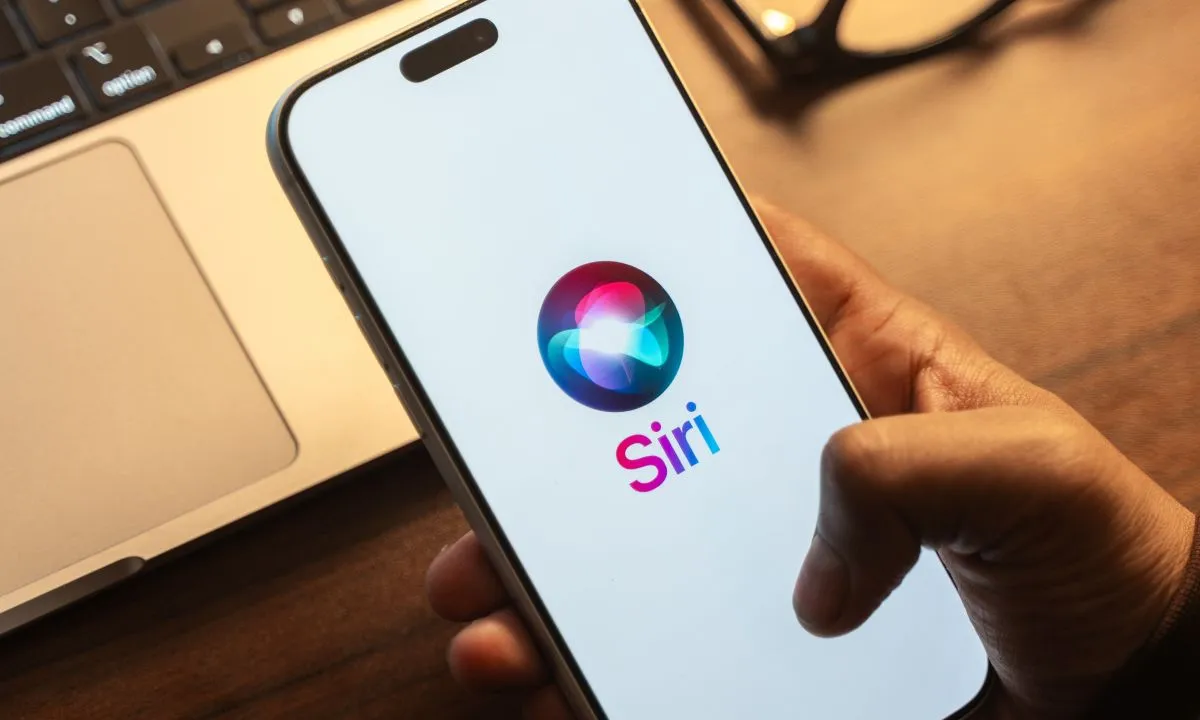
According to reports, Apple has increasingly relied on Google’s Gemini AI models to power next-generation AI features, including upgrades to Apple Foundation Models and an enhanced Siri experience. While Apple continues to invest heavily in its own AI technologies, Google’s infrastructure and AI models are expected to play a larger role in future Apple Intelligence capabilities.
Apple Strengthens AI Partnership With Google
The reported shift reflects changing dynamics in Apple’s AI ecosystem.
| Key Development | Details |
|---|---|
| Company shifting strategy | Apple |
| AI partner gaining importance | |
| Company facing legal dispute | OpenAI |
| Primary AI technology | Gemini models |
The move could reshape Apple’s AI roadmap as competition intensifies among leading AI developers.
Why Apple Is Distancing Itself From OpenAI
The latest development follows Apple’s lawsuit accusing OpenAI of trade secret misappropriation.
According to the complaint, Apple alleges:
- Former employees transferred confidential information.
- Proprietary hardware knowledge was improperly accessed.
- OpenAI benefited from Apple’s trade secrets.
- Recruitment efforts targeted Apple’s engineering talent.
OpenAI has denied the allegations and said it has no interest in using competitors’ proprietary information. The case is expected to proceed through U.S. courts.
Google’s Role Continues to Expand
Apple has reportedly been increasing its use of Google’s AI technologies.
Areas of collaboration include:
- Gemini-powered AI models.
- Enhanced Siri capabilities.
- Apple Foundation Models.
- Cloud infrastructure support.
- AI-assisted user experiences.
The partnership builds on Apple’s long-standing commercial relationship with Google, which already includes Google serving as the default search engine on Safari.
Apple’s Multi-Model AI Strategy
| AI Provider | Reported Role |
|---|---|
| Apple | Proprietary Apple Intelligence features |
| Gemini models and AI infrastructure | |
| OpenAI | Relationship under legal dispute |
Rather than relying on a single AI provider, Apple appears to be pursuing a multi-model strategy while prioritizing tighter integration with trusted partners.
Impact on the AI Industry
The dispute highlights increasing competition among major AI companies.
Potential implications include:
- Stronger Apple-Google collaboration.
- Reduced OpenAI presence within Apple’s ecosystem.
- More competition in AI assistants.
- Greater emphasis on proprietary AI infrastructure.
- Increased legal scrutiny over AI talent and intellectual property.
The case underscores how AI competition is expanding beyond software into hardware, partnerships, and intellectual property.
Challenges Ahead
Apple still faces several AI-related challenges.
These include:
- Catching up with AI leaders.
- Integrating multiple AI models seamlessly.
- Protecting intellectual property.
- Delivering differentiated AI features.
- Balancing privacy with advanced AI capabilities.
How Apple executes its AI strategy will likely influence the competitive landscape in smartphones and personal computing.
Outlook
Apple’s reported decision to strengthen its relationship with Google comes at a pivotal moment for the company’s AI ambitions. As legal tensions with OpenAI escalate, Google appears to be emerging as Apple’s preferred strategic AI partner for certain next-generation capabilities. At the same time, Apple continues investing in its own AI technologies, suggesting it intends to maintain long-term control over the user experience while selectively partnering where external expertise can accelerate innovation.
What It Means for the AI Industry
The evolving relationship between Apple, Google, and OpenAI reflects the rapidly changing competitive dynamics of the AI industry. Strategic partnerships are becoming just as important as technological breakthroughs, with companies balancing collaboration, competition, and intellectual property protection.
If Apple continues expanding its use of Google’s Gemini models while reducing reliance on OpenAI, it could reshape the competitive landscape for AI assistants, mobile operating systems, and consumer AI services. The outcome of Apple’s lawsuit may also influence how technology companies recruit AI talent and safeguard proprietary innovations in an increasingly competitive market.
Get the day’s top stories in your inbox
One concise email. No spam, unsubscribe anytime.