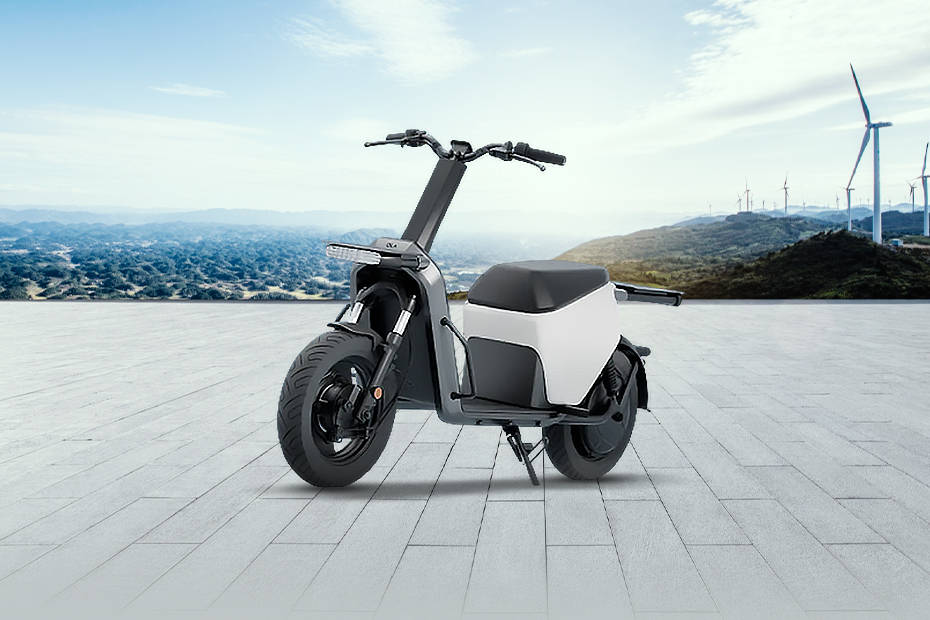
Ola Electric Mobility is facing severe financial and operational headwinds as two of its major component suppliers have approached the National Company Law Tribunal (NCLT) seeking to initiate insolvency proceedings.
The joint action by the suppliers involves alleged unpaid dues exceeding ₹40.6 crore and marks the third operational creditor-led legal challenge hit against the company’s core manufacturing arm, Ola Electric Technologies Private Limited, in the past 16 months.
Following the news, Ola Electric’s shares tumbled 5.3% to an intra-day low of ₹42.10, dragging the stock down into a deeply bearish technical territory as investors weigh growing working capital stress.
1. The Suppliers and the Breakup of Dues
The petitions have been filed under Section 9 of the Insolvency and Bankruptcy Code (IBC), which allows operational creditors to trigger corporate insolvency if undisputed trade payables are ignored:
- Sterling E-Mobility Solutions: The EV components arm of listed auto-ancillary giant Sterling Tools Ltd claims it is owed ₹29.8 crore in outstanding balances. The NCLT’s Bengaluru bench held its first formal hearing on Sterling’s petition.
- Anevolve Mando eMobility: Part of the massive ₹20,000-crore Anand Group, the supplier claims ₹10.8 crore in default. Anevolve—which provides high-value critical components like traction motors, controllers, inverters, and AC/DC converters—first moved the tribunal, with its next follow-up hearing scheduled for July 27.
- The 45-Day Threshold: According to Ministry of Corporate Affairs (MCA) filings reviewed in the case, the bills from both suppliers have languished pending for more than 45 days, prompting the components manufacturers to take the extreme step of legal escalation.
2. Ola Electric’s Stance: “A Commercial Quality Dispute”
Ola Electric is actively contesting both petitions and has filed caveats ahead of the tribunal hearings. Sources close to the legal teams indicate that the company is attempting to frame the standstill not as a liquidity shortfall, but as an ongoing trade disagreement:
The Internal Defense: Ola Electric is arguing that the payments were withheld due to specific compliance and quality control issues regarding the supplied parts. The EV maker claims it has counter-claims against the manufacturers for components that did not meet technical design metrics at its Futurefactory.
However, market analysts highlight that filing for insolvency is a high-stakes lever for auto suppliers. Because an NCLT admission can lead to current management being displaced by an Interim Resolution Professional (IRP), suppliers typically only deploy this route if private out-of-court arbitrations have entirely broken down.
3. History of Payables Stress
This is not an isolated incident for the Bengaluru-based EV startup; rather, it highlights an ongoing pattern of supplier and vendor friction that has severely dented the company’s institutional credibility post-IPO:
| Era / Phase | Disputing Party | Claim Amount | Outcome / Current Status |
| March 2025 | Rosmerta Digital Services (Vehicle registration & HSRP plate agency) | ~₹18–20 crore | Settled Out of Court. Ola paid a total of ₹26.75 crore (including accrued interest) to have the NCLT petition formally withdrawn. |
| Current (July 2026) | Sterling E-Mobility Solutions | ₹29.8 crore | Pending. Under active review by the NCLT Bengaluru Bench. |
| Current (July 2026) | Anevolve Mando eMobility | ₹10.8 crore | Pending. Next scheduled tribunal hearing set for July 27. |
4. The Macro Context: Losing the EV Crown
The sudden escalation of payables pressure comes at the absolute worst operational window for Ola Electric. The company is currently enduring a sharp contraction across its once-dominant retail landscape:
- Market Share Attrition: Ola’s commanding share of the Indian electric two-wheeler market has collapsed from a peak of nearly 50% down to roughly 31%.
- Legacy OEMs Charge Ahead: Legacy automotive giants like Bajaj Auto (with its Chetak line) and TVS Motor (iQube), alongside nimble rivals like Ather Energy and Hero MotoCorp, have rapidly outpaced Ola in monthly sales volumes.
- The FY26 Financial Hit: The legal crunch follows a bruising fiscal year 2026 for the startup. Ola Electric posted a devastating 50% year-on-year drop in revenue to ₹2,253 crore, as its annual scooter and bike sales cratered by 44% to just over 1.73 lakh units. While annual net losses managed to narrow slightly to ₹1,833 crore (down from ₹2,276 crore in FY25), the sharp top-line deceleration has severely strained the company’s operating cash flows and its capacity to fund its capital-intensive lithium-ion cell manufacturing facility without delaying external vendor obligations.
Get the day’s top stories in your inbox
One concise email. No spam, unsubscribe anytime.