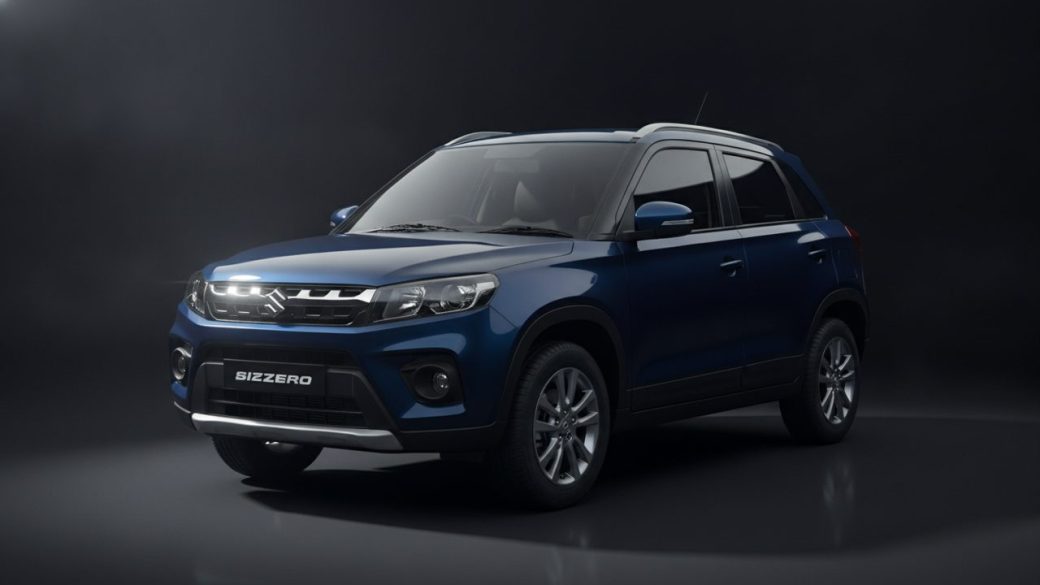
Maruti Suzuki India Ltd. has announced that it will increase vehicle prices by up to ₹30,000 across select models from August 2026, citing rising input costs and operational expenses. The country’s largest carmaker said the price revision is aimed at partially offsetting the impact of higher raw material prices, logistics costs, and overall inflationary pressures, while continuing to maintain profitability. The increase will vary depending on the model and variant.
The latest hike follows a series of price revisions by automakers over the past year as manufacturers continue to grapple with elevated commodity prices, stricter regulatory requirements, and investments in new technologies such as electric vehicles and advanced safety features.
Maruti Suzuki Announces Price Hike Effective August
Maruti Suzuki said the revised prices will come into effect from August 2026.
Price Hike Overview
| Item | Details |
|---|---|
| Company | Maruti Suzuki India Ltd. |
| Effective date | August 2026 |
| Maximum price increase | Up to ₹30,000 |
| Applies to | Select models across the portfolio |
| Reason | Rising input and operational costs |
The company clarified that the increase will differ across models and variants, depending on production costs and market positioning.
Why Maruti Is Raising Prices
Maruti Suzuki attributed the decision to persistent cost pressures affecting vehicle manufacturing.
The primary factors include:
- Higher prices of steel, aluminum, and other raw materials.
- Increased logistics and freight expenses.
- Rising manufacturing and operational costs.
- Inflationary pressures across the supply chain.
- Investments in new technologies and regulatory compliance.
Automakers typically absorb part of these cost increases but periodically revise prices when sustained inflation affects profitability.
Key Cost Drivers
| Cost Factor | Impact on Automakers |
|---|---|
| Raw materials | Higher production costs |
| Logistics | Increased transportation expenses |
| Manufacturing | Rising operational expenditure |
| Regulatory compliance | Additional investment requirements |
| Technology upgrades | Higher development costs |
Impact on Buyers
The latest price revision means prospective customers purchasing Maruti Suzuki vehicles from August may have to pay more, depending on the model selected.
Popular models likely to be affected include vehicles across the company’s:
- Hatchback lineup.
- Sedan range.
- SUV portfolio.
- MPVs.
- Commercial vehicle offerings.
However, Maruti Suzuki has not yet released a model-wise breakup of the revised pricing.
Industry-Wide Trend
Maruti Suzuki’s announcement reflects a broader trend in India’s automobile industry.
Several manufacturers have announced price increases over the past year to offset:
- Commodity price inflation.
- Currency fluctuations.
- Higher transportation costs.
- Compliance with stricter emission and safety regulations.
- Investments in electrification and connected vehicle technologies.
As competition remains intense, automakers generally attempt to limit price increases while balancing profitability and customer demand.
Industry Implications
| Stakeholder | Expected Impact |
|---|---|
| Consumers | Higher vehicle acquisition costs |
| Dealers | Updated pricing across inventories |
| Automakers | Partial recovery of rising costs |
| Suppliers | Continued demand amid cost pressures |
Maruti Suzuki’s Market Position
Maruti Suzuki continues to dominate India’s passenger vehicle market with a broad portfolio spanning entry-level hatchbacks, premium SUVs, and utility vehicles.
The company remains focused on:
- Expanding SUV offerings.
- Increasing hybrid and alternative fuel vehicle sales.
- Strengthening manufacturing capacity.
- Enhancing safety and technology features.
- Maintaining leadership in the domestic passenger vehicle market.
Despite periodic price revisions, Maruti Suzuki continues to benefit from strong brand recognition, an extensive dealership network, and high demand across multiple vehicle segments.
Looking Ahead
Maruti Suzuki’s decision to raise vehicle prices by up to ₹30,000 from August 2026 underscores the ongoing challenges facing India’s automotive industry as manufacturers contend with higher input costs and inflationary pressures. While the company has sought to limit the increase, the revision reflects the need to partially pass rising production expenses on to consumers while preserving margins.
Going forward, the extent of further price adjustments across the industry will depend on commodity prices, supply chain stability, regulatory developments, and consumer demand. As India’s passenger vehicle market continues to evolve with greater emphasis on SUVs, electrification, and advanced safety technologies, automakers are expected to carefully balance affordability with the investments required for future growth.
Get the day’s top stories in your inbox
One concise email. No spam, unsubscribe anytime.