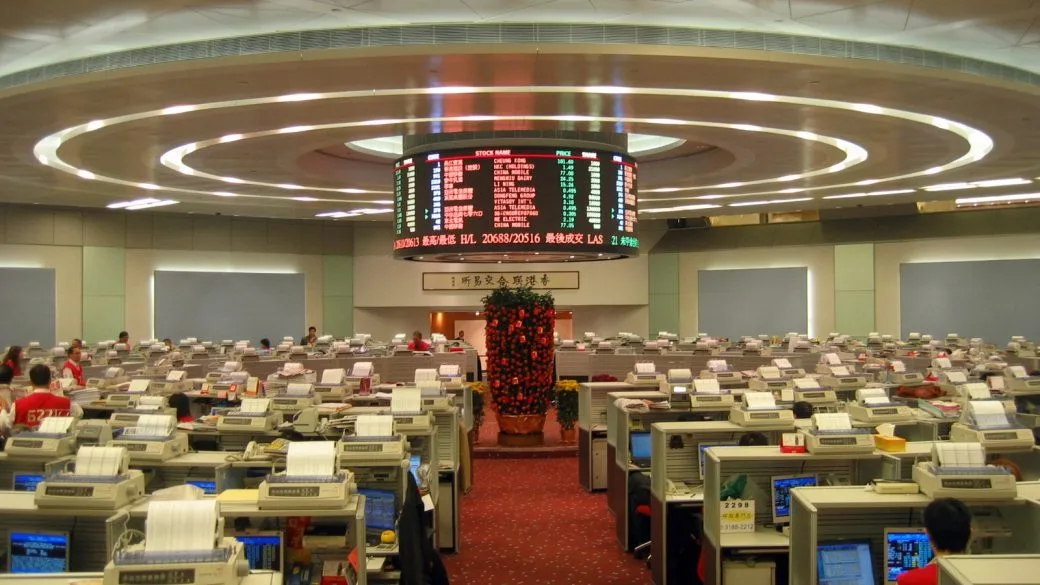
Hong Kong exchange is trying to bring in more companies from outside mainland China. Hong Kong exchange means Hong Kong’s main stock market, where firms sell shares to raise money. New signs show that push is starting to work. But the market still faces tough rivals in New York, Mumbai, and the Middle East.
Key takeaways
- HKEX says it is making progress in attracting overseas companies to list in Hong Kong.
- The exchange has updated rules and widened its sales pitch beyond mainland Chinese firms.
- Hong Kong wants to become a bigger fund-raising hub for Asia and the Middle East.
- Competition is still fierce because global companies can choose many markets.
Why is the Hong Kong exchange chasing overseas listings?
Hong Kong has long been a top place for Chinese companies to raise cash. But that old model is under pressure, because fewer blockbuster deals have come through in recent years. So the city is looking outward.
When a company lists, it sells shares to public investors. That helps it raise money for growth, debt payments, or expansion. For the Hong Kong exchange, more listings mean more trading, more fees, and more global clout.
HKEX, short for Hong Kong Exchanges and Clearing, runs the city’s stock market. It has been trying to attract firms from Southeast Asia, the Middle East, and other regions. In simple terms, it wants more non-Chinese companies to choose Hong Kong as their financial home.
What progress has the Hong Kong exchange made?
The latest update suggests the effort is no longer just talk. Exchange officials say they are seeing more interest from companies based abroad. That does not mean a flood yet, but it does mean the pipeline looks healthier.
A pipeline is a list of deals that may happen soon. It matters because stock listings take months of planning, checks, and approvals. So rising interest today can turn into actual IPOs later.
Hong Kong has already tried to make listing simpler for some firms. It has adjusted rules for specialist technology companies and kept promoting itself in other regions. It has also pushed the message that Hong Kong can connect East and West, especially for money moving around Asia.
That pitch matters because location still counts. Hong Kong sits close to mainland China, but it also uses a legal and financial system familiar to many global investors. That mix is one reason officials think the Hong Kong exchange can stand out.
How big is Hong Kong’s market right now?
Hong Kong remains one of the world’s better-known listing hubs, even after a quieter spell. In recent years, fundraising totals have swung sharply from boom to slowdown. That makes every new international listing more important.
For a simple picture, look at a few headline numbers. Hong Kong’s benchmark Hang Seng Index has often been used as a quick health check for market mood. IPO rankings also matter, because cities compete hard to finish near the top.
Hong Kong market snapshot2022 IPO2024 interestOverseas dealsLowerRisingEarly
One recent market scorecard showed Hong Kong fighting to regain lost ground in listings after a weak patch. Daily market moves can be noisy, but the bigger story is about deal flow over many quarters. In other words, one good week is nice, while a steady stream of new listings matters more.
| Area | What it shows | Why it matters |
|---|---|---|
| Overseas interest | More non-Chinese firms are in talks | Could widen Hong Kong’s issuer base |
| Rule changes | Easier path for some sectors | May attract newer economy firms |
| Competition | New York, India, Gulf markets remain strong | Companies have many options |
There are also hard numbers that show the scale of the challenge. Hong Kong’s market capitalization has at times been above US$4 trillion. Market capitalization means the total value of listed companies. But capital raised through IPOs has fallen well below the hottest years, when annual proceeds topped tens of billions of US dollars.
Even a handful of cross-border wins can help. If 5 to 10 sizable foreign listings arrive, that can improve fee income and lift confidence. Confidence matters in markets because success often attracts more success.
What is Hong Kong offering that other markets do not?
Hong Kong is selling access, reputation, and time zone benefits. A company that lists there can meet investors from Asia during the day, while still being visible to funds in Europe later on. That overlap is useful for firms that want a broad shareholder base.
The city is also trying to market itself as a bridge to Chinese capital. Capital means investment money. For some foreign firms, that can be a strong reason to choose Hong Kong over a rival exchange.
Another point is regulation. Regulation means the official rules that markets must follow. Investors usually like clear rules because they make trading feel safer and more predictable.
Still, Hong Kong is not alone. Singapore, India, Nasdaq in the US, and Gulf exchanges all want the same kind of high-quality global listings. So the Hong Kong exchange must prove it can offer better liquidity, stronger valuations, or a more suitable investor base.
Liquidity means how easily shares can be bought and sold. A liquid market lets investors trade quickly without big price jumps. That is a huge selling point for any exchange.
What could slow this plan down?
The biggest risk is simple: companies go where they get the best deal. If another market gives them higher valuations, deeper demand, or easier rules, they may walk away. Valuation means what investors think a company is worth.
Global politics can also get in the way. Tensions between major economies can shape where money moves and which markets feel safest. That is one reason Hong Kong keeps stressing its international role.
Market mood is another hurdle. When share prices are shaky, firms often delay IPOs because they fear weak demand. We have seen that in other markets too, including technology-heavy exchanges.
For readers tracking global capital flows, our coverage of RBI trimming US Treasury investments shows how big institutions keep shifting money. And our report on AustralianSuper’s India investment plan shows how major funds look for new regions to back.
Why does this matter beyond Hong Kong?
This story matters because stock exchanges are like giant shop windows for capital. If Hong Kong wins more overseas deals, it can pull in lawyers, bankers, traders, and fund managers too. That creates a wider business boost.
It also tells us something about Asia’s financial map. Cities are no longer only competing inside their own countries. They are racing for global companies, global money, and global attention.
For young readers, think of it like sports teams trying to sign star players. The Hong Kong exchange wants more star companies on its side, because stars bring fans, sponsors, and bigger matches.
Primary sources such as the HKEX official website and Hong Kong market filings on the HKEXnews platform help show how the exchange is changing its pitch. Those filings matter because they provide direct company and market disclosures.
Hong Kong is trying to become more than China’s listing gateway. It wants to be a broader Asian fundraising hub, and more overseas listings would be the clearest proof that the plan is working.
Can the Hong Kong exchange really turn this into a comeback?
It can, but the job is not finished. Interest from foreign companies is a good first sign, and rule tweaks may help bring in more names. But a real comeback needs completed deals, steady trading, and repeat success.
Watch the next few quarters. If more overseas firms file, price well, and keep trading strongly, the Hong Kong exchange will have a stronger case. If not, this push may remain promising but incomplete.
FAQs
What is the Hong Kong exchange?
The Hong Kong exchange is Hong Kong’s main stock market. Companies list there to sell shares and raise money from investors.
Why does Hong Kong want overseas companies?
It wants to rely less on one source of listings. More foreign firms can bring fees, trading activity, and global status.
How will we know if this strategy works?
We will see more actual IPOs, not just talks. Strong trading after listing will also be a key sign.
Get the day’s top stories in your inbox
One concise email. No spam, unsubscribe anytime.