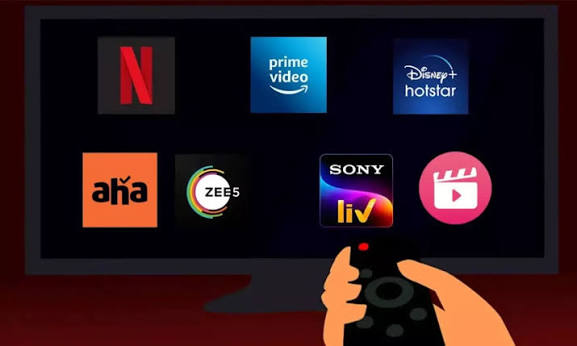
The Indian government is considering making censor certification mandatory for films released directly on over-the-top (OTT) streaming platforms, a move that could significantly reshape the country’s digital entertainment landscape. If implemented, movies premiering on platforms such as Netflix, Amazon Prime Video, JioHotstar, Sony LIV, and ZEE5 may be required to obtain certification from the Central Board of Film Certification (CBFC) before being made available to viewers.
The proposal reflects the government’s ongoing efforts to establish a more uniform regulatory framework for theatrical and digital film releases. While no final decision has been announced, the move has already sparked debate among filmmakers, streaming platforms, and industry experts over issues of creative freedom, content regulation, and consumer choice.
How OTT Films Are Regulated Today
At present, films released in Indian cinemas must obtain certification from the Central Board of Film Certification (CBFC) under the Cinematograph Act before public exhibition.
In contrast, movies released exclusively on OTT platforms are not required to undergo CBFC certification. Instead, streaming platforms follow the Information Technology (Intermediary Guidelines and Digital Media Ethics Code) Rules, 2021, which require publishers to self-classify content based on age ratings and implement grievance redressal mechanisms.
| Platform | Current Requirement |
|---|---|
| Theatrical films | Mandatory CBFC certification |
| OTT-exclusive films | Self-classification under IT Rules |
| TV broadcasts | Separate broadcasting guidelines |
The proposed change would narrow this regulatory gap by bringing OTT films under a certification process similar to theatrical releases.
Why the Government Is Considering the Move
Officials believe that a common certification framework could provide greater consistency in content regulation across different distribution channels.
Supporters of the proposal argue that audiences increasingly consume films online rather than in cinemas, making it necessary to apply similar regulatory standards regardless of where a movie is released.
The government is also said to be examining whether mandatory certification could improve content classification, strengthen consumer protection, and provide clearer guidance regarding age-appropriate viewing.
What Could Change
If the proposal is approved, OTT platforms may need to obtain CBFC certification before releasing films directly to subscribers.
| Possible Change | Potential Impact |
|---|---|
| Mandatory CBFC certification | OTT films reviewed before release |
| Additional compliance | Longer approval timelines |
| Uniform regulation | Similar rules for theatrical and OTT films |
| Content classification | Standardized age certification |
The exact scope of the proposal remains under discussion, and it is not yet clear whether it would apply only to feature films or also extend to web series and documentaries.
Impact on Streaming Platforms
The introduction of mandatory certification could increase regulatory compliance requirements for streaming services.
Platforms may need to adjust production schedules to account for certification timelines, particularly for original films planned for simultaneous or global digital releases.
Some industry observers believe the move could also increase operational costs, as producers would need to complete the certification process before launching content in India.
However, supporters argue that standardized certification could provide greater regulatory clarity and reduce uncertainty regarding content complaints after release.
Industry Reactions
The proposal has generated mixed reactions across the entertainment industry.
| Stakeholder | Likely Perspective |
|---|---|
| Streaming platforms | Concern over increased compliance |
| Film producers | Potential delays and additional costs |
| Regulators | Greater oversight and consistency |
| Viewers | More standardized age ratings |
Critics argue that OTT platforms already provide parental controls, age classifications, and content warnings, making additional certification unnecessary. Others believe a common regulatory framework could improve accountability and help viewers make informed choices.
Part of a Broader Regulatory Push
The proposal follows several years of increasing government engagement with digital media platforms.
Since the introduction of the IT Rules in 2021, streaming platforms have been required to establish grievance officers, implement age-based content classifications, and comply with a three-tier self-regulatory mechanism.
The latest proposal suggests the government may now be exploring whether self-regulation should be supplemented with formal certification for films released directly online.
What It Means for India’s Streaming Industry
If implemented, mandatory censor certification would represent one of the biggest regulatory changes for India’s OTT sector since streaming platforms came under the IT Rules. The move would bring digital film releases closer to the regulatory framework governing theatrical cinema while potentially increasing oversight of online entertainment.
For streaming platforms, filmmakers, and production houses, the proposal could require adjustments to release strategies, production timelines, and compliance processes. As discussions continue, the industry will be closely watching whether the government introduces legislation or amendments to existing rules to formally extend CBFC certification to OTT-exclusive films.
Get the day’s top stories in your inbox
One concise email. No spam, unsubscribe anytime.