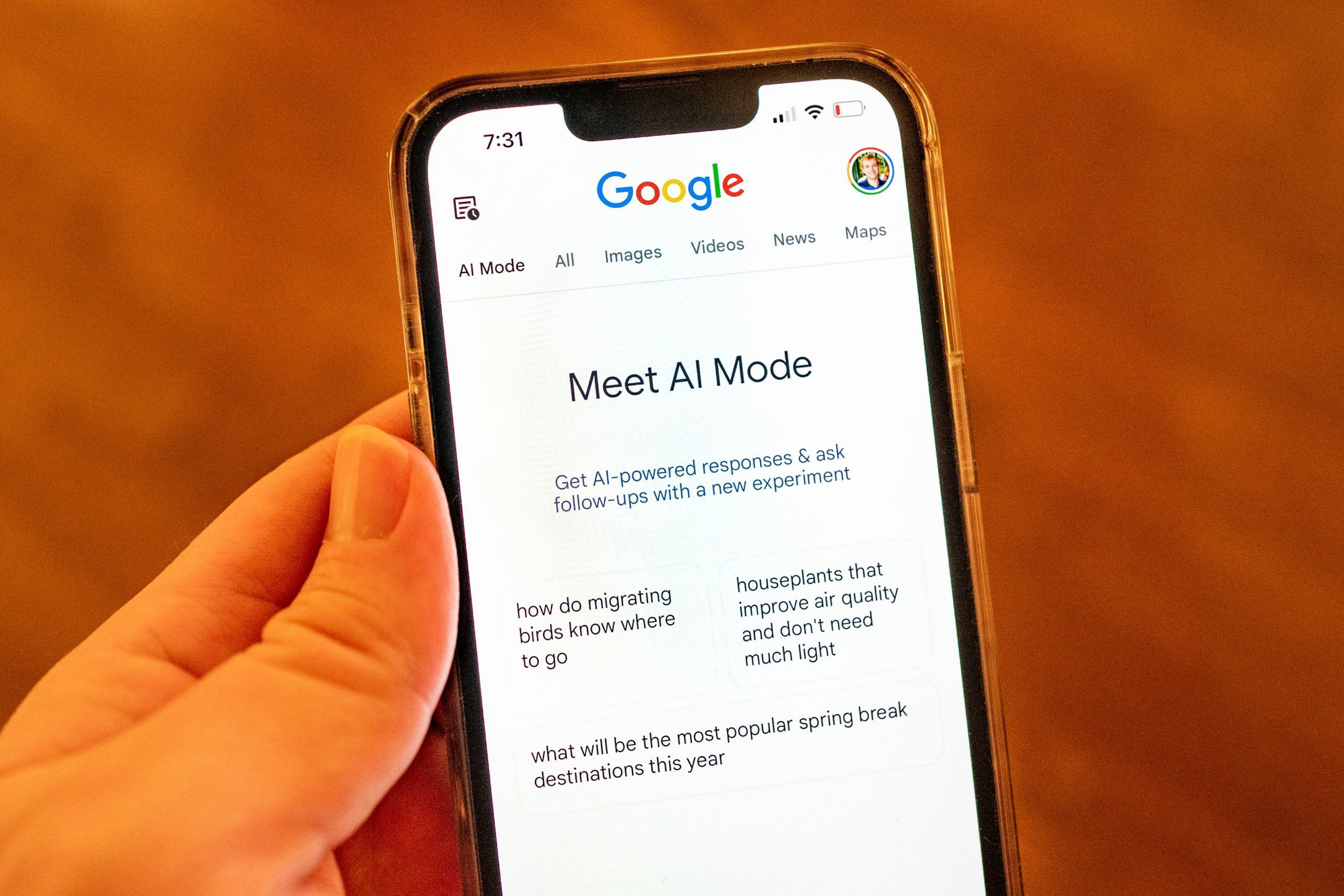
Germany’s media regulator has ruled that AI-powered search tools, including Google’s AI Overviews and Perplexity, fall under the country’s media laws, marking what is believed to be the first regulatory decision of its kind. The move subjects AI-generated summaries and search responses to rules traditionally applied to media organizations, increasing oversight of how AI platforms present news and information.
The decision comes as AI-powered search experiences become increasingly popular, with technology companies integrating generative AI into search engines and information services. German regulators argue that when AI systems aggregate, summarize, and distribute editorial content to the public, they may assume responsibilities similar to those of digital media publishers.
Germany Brings AI Search Platforms Under Media Law
The ruling could reshape how AI-powered search services operate in Europe’s largest economy.
| Key Highlights | Details |
|---|---|
| Country | Germany |
| Regulator | German media authorities |
| Platforms affected | Google’s AI Overviews, Perplexity |
| Decision | Subject to German media law |
| Significance | First known ruling of its kind |
| Focus | AI-generated news and information services |
The ruling reflects growing regulatory attention on AI systems that summarize and distribute news content.
Why the Decision Matters
German regulators believe AI-generated information services may influence public opinion similarly to traditional media.
Key reasons behind the decision include:
- Increasing use of AI-generated news summaries.
- Growing influence of AI search platforms.
- Need for editorial accountability.
- Transparency in information sourcing.
- Protection of media pluralism.
- Consumer trust in AI-generated content.
The decision recognizes that AI platforms are becoming major gateways for accessing news and online information.
What Media Law Could Mean for AI Platforms
If treated as media services, AI-powered search platforms could face additional regulatory obligations.
Potential requirements may include:
- Greater transparency about content sources.
- Compliance with media regulations.
- Enhanced accountability for published information.
- Clear distinction between factual reporting and AI-generated summaries.
- Cooperation with media regulators.
- Stronger safeguards against misinformation.
The exact obligations will depend on how Germany’s media framework is applied to AI services.
Potential Impact on the AI Industry
| Area | Possible Impact |
|---|---|
| AI search | Increased regulatory oversight |
| News publishers | Greater protection of editorial content |
| AI companies | Higher compliance requirements |
| Users | More transparency about AI-generated information |
| Europe | Potential regulatory precedent for other countries |
The ruling may influence future AI governance discussions across the European Union.
Industry Implications
The decision arrives as AI-powered search becomes increasingly competitive.
Current industry trends include:
- AI-generated search summaries.
- Conversational search experiences.
- Real-time information synthesis.
- Integration of large language models into search engines.
- Partnerships between AI companies and publishers.
- Increased focus on responsible AI deployment.
Technology companies may need to adapt their products to comply with evolving media regulations.
Challenges Ahead
Several questions remain following the ruling.
These include:
- Defining the legal status of AI-generated content.
- Balancing innovation with regulation.
- Protecting intellectual property rights.
- Ensuring transparency without reducing usability.
- Harmonizing AI rules across different jurisdictions.
- Managing compliance costs for AI developers.
The outcome could influence future legal frameworks governing AI-powered information services worldwide.
Outlook
Germany’s decision to classify AI-powered search services such as Google’s AI Overviews and Perplexity under media law represents a significant development in the regulation of generative AI. As AI increasingly becomes a primary tool for discovering and consuming information, governments are seeking to ensure that these systems operate with appropriate transparency, accountability, and respect for existing media regulations.
The ruling could serve as an important precedent for other European regulators considering how to oversee AI-generated content. If similar approaches are adopted elsewhere, AI companies may need to redesign aspects of their search products, strengthen publisher relationships, and implement additional compliance measures while continuing to innovate.
What It Means for the AI and Publishing Industry
The decision highlights a broader shift toward treating AI-powered information services as influential participants in the media ecosystem rather than purely technology platforms. As AI assistants become central to how people access news, regulators are increasingly focused on ensuring that these systems meet standards related to transparency, fairness, and accountability.
For publishers, the ruling could strengthen protections for original journalism and encourage new licensing arrangements with AI companies. For AI developers, it signals that future success will depend not only on technological capabilities but also on compliance with evolving legal and regulatory frameworks governing digital media and artificial intelligence.
Get the day’s top stories in your inbox
One concise email. No spam, unsubscribe anytime.