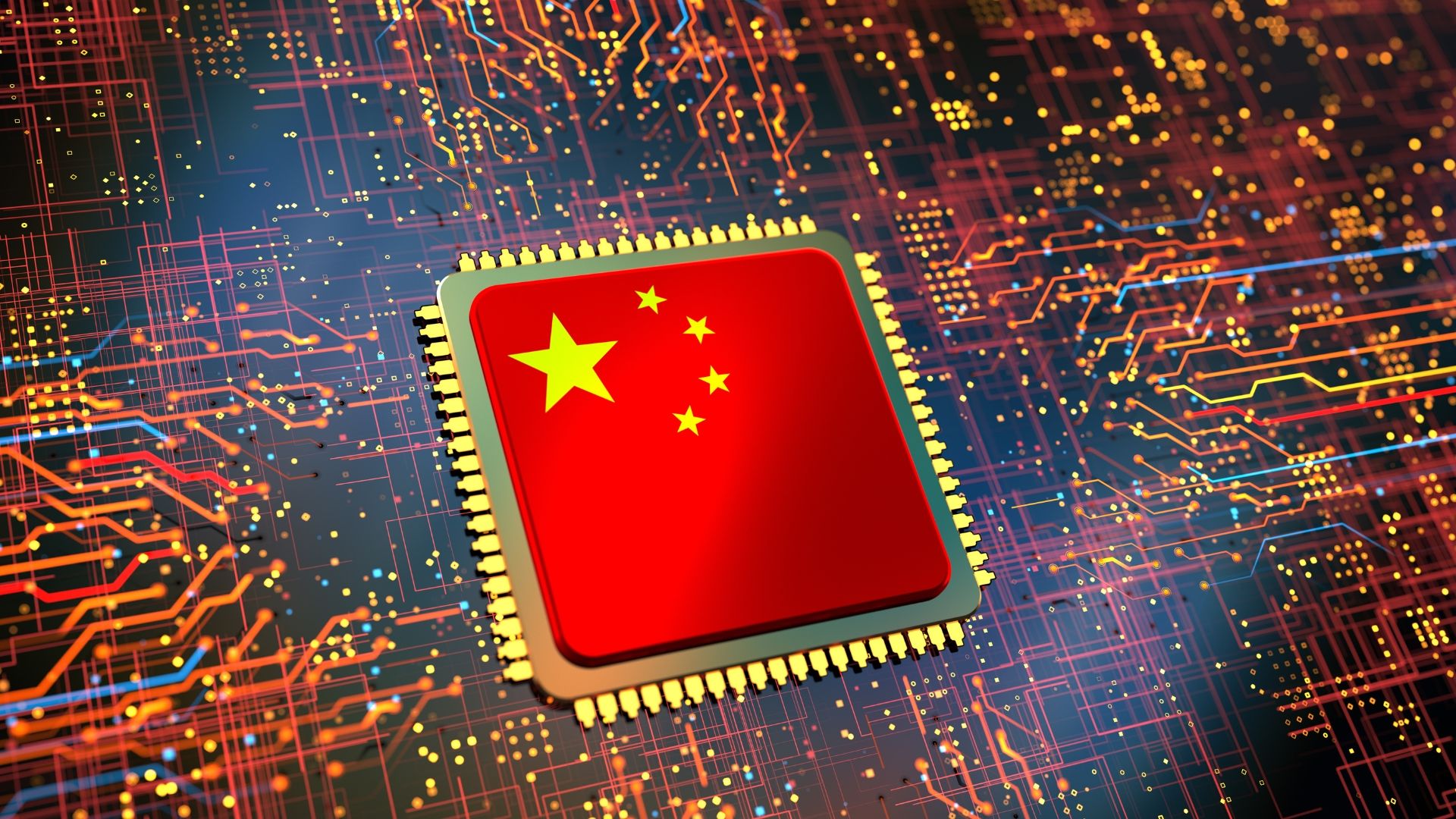
China is considering stricter export controls on artificial intelligence (AI) models, semiconductor technologies, and related intellectual property as Beijing seeks to protect its rapidly advancing AI ecosystem from foreign acquisition and technology transfer. The proposed measures, which are still under discussion, would expand China’s export control framework to cover frontier AI technologies, mirroring the strategic importance that the United States has placed on restricting advanced semiconductor exports.
The move comes as Chinese AI companies, including Alibaba, ByteDance, Zhipu AI, and Moonshot AI, have released increasingly competitive large language models that challenge leading Western AI systems. Chinese authorities are now weighing whether unrestricted overseas access to these technologies could undermine the country’s long-term technological advantage.
China Considers Expanding Export Controls
According to reports, China’s Ministry of Commerce (MOFCOM) has been consulting major domestic AI companies on proposals to tighten controls over exports of advanced AI and semiconductor technologies.
The discussions reportedly include:
- Restrictions on exporting advanced AI models.
- Limits on transferring model weights and critical training data overseas.
- Curbs on foreign access to sensitive AI technologies.
- Additional controls on advanced semiconductor technologies.
- Stronger scrutiny of foreign acquisitions involving strategic Chinese AI companies.
Proposed Measures at a Glance
| Area | Potential Restriction |
|---|---|
| AI models | Tighter export controls on frontier models |
| Model weights | Limits on cross-border transfers |
| Training data | Restrictions on sensitive datasets |
| AI startups | Greater scrutiny of foreign acquisitions |
| Semiconductor technology | Expanded export controls |
Why Beijing Is Tightening Rules
China’s AI capabilities have advanced rapidly despite years of U.S. export restrictions on advanced chips and chipmaking equipment.
Officials are reportedly concerned that:
- Chinese-developed AI models are becoming globally competitive.
- Foreign companies could gain access to valuable AI intellectual property.
- Strategic AI startups could become acquisition targets.
- Critical semiconductor technologies require stronger national security protection.
The proposals also reflect a broader global trend of treating frontier AI technologies as strategic national assets.
AI Becomes a Strategic Technology
China’s discussions come amid intensifying technological competition with the United States.
Recent developments include:
- U.S. export restrictions on advanced AI chips.
- China’s rapid release of competitive open-source AI models.
- Growing government oversight of AI development in both countries.
- Increased focus on protecting domestic semiconductor innovation.
Strategic Objectives
| Objective | Expected Outcome |
|---|---|
| Protect AI leadership | Prevent technology leakage |
| Safeguard semiconductor IP | Strengthen domestic innovation |
| Enhance national security | Limit foreign access to strategic technologies |
| Support Chinese AI firms | Maintain long-term competitiveness |
Potential Impact on Global AI Industry
If implemented, the tighter export controls could have implications for international AI collaboration and semiconductor supply chains.
Possible effects include:
- Reduced overseas access to some Chinese AI technologies.
- Greater regulatory hurdles for cross-border technology partnerships.
- Increased fragmentation of global AI ecosystems.
- More emphasis on domestic AI development in major economies.
Industry participants have reportedly cautioned that overly restrictive measures could also slow international commercialization and limit the global reach of Chinese AI companies.
No Final Decision Yet
The proposed measures remain under review, and Chinese authorities are continuing consultations with leading technology companies before making a final decision.
Officials are reportedly evaluating industry feedback to balance:
- National security priorities.
- Commercial competitiveness.
- International market access.
- Continued innovation within China’s AI sector.
Looking Ahead
China’s consideration of tighter export controls on AI models and semiconductor technologies marks another escalation in the global competition over artificial intelligence. As AI increasingly becomes a strategic national asset, governments are moving beyond traditional semiconductor controls to protect algorithms, model weights, training data, and intellectual property.
If adopted, the new measures could reshape international AI collaboration, cross-border investments, and access to some of China’s most advanced AI technologies. They would also underscore the growing fragmentation of the global AI landscape, where both China and the United States are strengthening safeguards around technologies viewed as critical to future economic and national security leadership.
Get the day’s top stories in your inbox
One concise email. No spam, unsubscribe anytime.