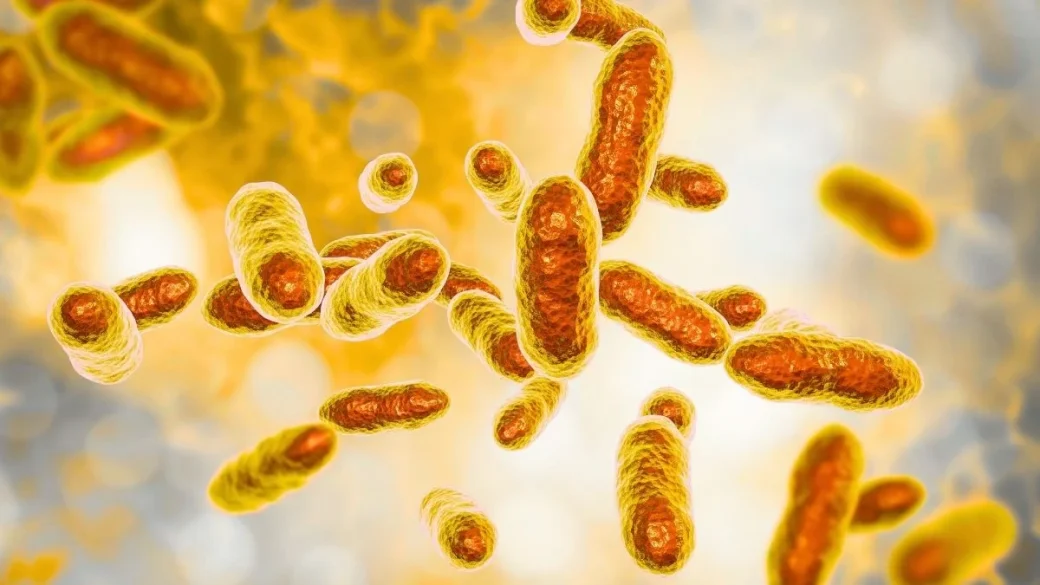
Scientists have discovered naturally occurring bacteria in a flooded former uranium mine in Germany that appear to reduce the mobility of radioactive uranium, potentially offering a new biological approach to cleaning up contaminated mining sites. The research, conducted in the Königstein uranium mine in Saxony, found that microbial communities can transform dissolved uranium into forms that are less likely to spread through groundwater, reducing environmental risks without the need for intensive chemical treatment.
The findings provide fresh evidence that naturally occurring microorganisms could play an important role in the long-term remediation of radioactive sites. While the bacteria do not eliminate radioactivity, they help immobilize uranium by converting it into more stable mineral forms, limiting its movement through surrounding water.
Bacteria Found in Flooded Uranium Mine
The discovery highlights an unexpected ally in environmental cleanup.
| Key Highlights | Details |
|---|---|
| Location | Königstein uranium mine, Germany |
| Discovery | Naturally occurring bacteria |
| Target | Dissolved uranium in groundwater |
| Effect | Reduces uranium mobility |
| Potential application | Radioactive site remediation |
Researchers say the bacteria could contribute to safer and more sustainable management of former uranium mining areas.
How the Bacteria Work
The microorganisms influence uranium through biological and chemical processes.
Key mechanisms include:
- Interacting with dissolved uranium in groundwater.
- Transforming uranium into less soluble forms.
- Promoting the formation of stable uranium-containing minerals.
- Reducing the likelihood of uranium migration through groundwater.
- Supporting natural biogeochemical remediation.
The process is often referred to as bioremediation, where living organisms help reduce environmental contamination.
Important Clarification
The discovery has attracted attention, but it is important to distinguish between radioactivity and mobility.
The bacteria:
- Do not neutralize or destroy radioactivity.
- Do reduce the movement of uranium through groundwater.
- Help keep radioactive material confined to a smaller area.
- May lower the risk of contamination spreading to nearby ecosystems.
This distinction is critical because the uranium remains radioactive even after becoming less mobile.
Why the Discovery Matters
| Benefit | Potential Impact |
|---|---|
| Reduced uranium migration | Lower groundwater contamination risk |
| Natural remediation | Less reliance on chemical treatments |
| Lower environmental impact | More sustainable cleanup methods |
| Long-term site management | Improved containment strategies |
The findings could improve remediation efforts at abandoned uranium mines worldwide.
Applications Beyond Germany
Scientists believe similar microbial processes could prove useful at:
- Former uranium mining sites.
- Radioactively contaminated groundwater.
- Nuclear waste storage environments.
- Industrial sites contaminated with heavy metals.
- Environmental restoration projects.
Further research will be needed to determine whether comparable bacteria exist in other contaminated regions.
Challenges Ahead
Despite the promising findings, several questions remain.
Researchers must better understand:
- Long-term stability of immobilized uranium.
- Performance under changing environmental conditions.
- Scalability for large remediation projects.
- Interaction with other contaminants.
- Effectiveness across different geological settings.
Field studies and long-term monitoring will be essential before the approach can be deployed widely.
Outlook
The discovery of uranium-immobilizing bacteria in Germany’s flooded Königstein mine adds to growing evidence that microorganisms can play a valuable role in environmental cleanup. Rather than relying solely on engineered chemical solutions, scientists are increasingly exploring natural biological processes to contain hazardous contaminants more sustainably.
Although the bacteria do not remove radioactivity itself, their ability to reduce uranium mobility could become an important tool for managing legacy contamination from uranium mining and nuclear-related activities. If future studies confirm similar microbial behavior in other environments, bioremediation could become an increasingly important component of radioactive waste management.
What It Means for Environmental Science
The research highlights the expanding role of microbiology in addressing complex environmental challenges. Advances in understanding microbial ecosystems are opening new possibilities for cleaning contaminated land and groundwater using naturally occurring biological processes rather than energy-intensive engineering methods.
For the nuclear industry and environmental regulators, these findings may eventually contribute to safer, more cost-effective strategies for managing former uranium mines and contaminated sites. However, scientists emphasize that biological remediation is likely to complement—not replace—existing engineering and regulatory approaches to radioactive waste management.
Get the day’s top stories in your inbox
One concise email. No spam, unsubscribe anytime.