The Material Recycling Association of India (MRAI) has urged the Central Government to remove the 2.5% Basic Customs Duty (BCD) on aluminium scrap, arguing that the levy increases production costs, reduces the competitiveness of domestic manufacturers, and discourages the use of recycled metal. The industry body says eliminating the duty would support India’s circular economy goals, lower raw material costs for downstream industries, and help reduce carbon emissions by encouraging greater use of recycled aluminium.
The appeal comes as India’s aluminium recycling industry seeks policy support to meet rising demand from sectors such as automobiles, construction, electrical equipment, packaging, and consumer goods. MRAI believes that duty-free imports of aluminium scrap would improve the availability of raw materials while strengthening India’s position as a global manufacturing hub.
MRAI Calls for Removal of Import Duty
The recycling industry body has requested the government to abolish the 2.5% Basic Customs Duty on aluminium scrap imports.
According to MRAI, removing the duty would:
- Reduce input costs for recyclers.
- Improve the competitiveness of Indian manufacturers.
- Increase the availability of recycled aluminium.
- Promote sustainable manufacturing.
- Encourage investment in the recycling sector.
| Key Proposal | Details |
|---|---|
| Current Basic Customs Duty | 2.5% |
| Industry request | Complete removal of duty |
| Submitted by | Material Recycling Association of India (MRAI) |
| Objective | Boost aluminium recycling and manufacturing competitiveness |
Why Aluminium Scrap Is Important
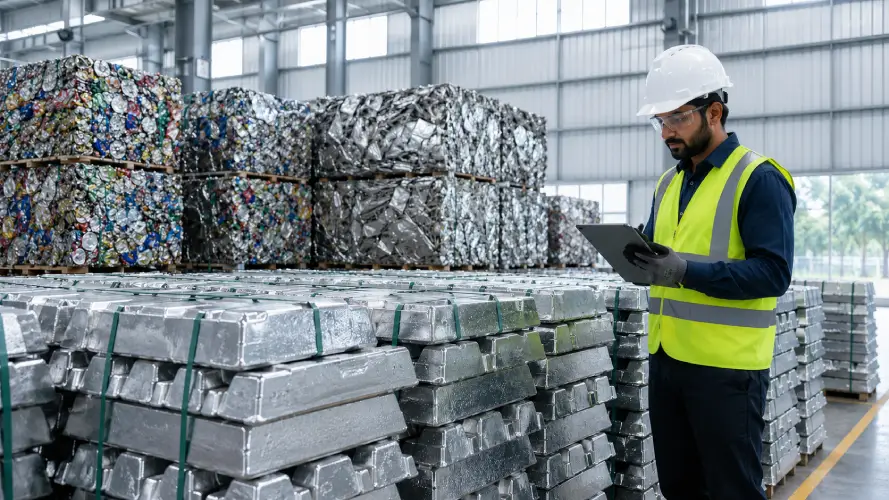
Aluminium scrap serves as a key raw material for secondary aluminium production.
Compared with producing primary aluminium from bauxite, recycling aluminium:
- Consumes significantly less energy.
- Generates lower carbon emissions.
- Reduces dependence on mining.
- Conserves natural resources.
- Supports circular economy initiatives.
Industry estimates suggest that recycling aluminium can require up to 95% less energy than producing primary aluminium, making it one of the most efficient forms of metal recycling.
Industry Says Duty Raises Costs
According to MRAI, the import duty increases the landed cost of aluminium scrap, affecting recyclers and downstream manufacturers.
Sectors impacted include:
- Automobile manufacturing.
- Electrical equipment.
- Construction.
- Packaging.
- Consumer durables.
- Engineering industries.
Higher raw material costs can reduce the competitiveness of Indian products in both domestic and export markets.
Demand for Recycled Aluminium Is Rising
India’s demand for aluminium continues to grow as manufacturing activity expands.
Key growth drivers include:
- Electric vehicles.
- Renewable energy infrastructure.
- Urban construction.
- Consumer electronics.
- Aerospace components.
- Packaging.
The recycling industry argues that easier access to imported scrap would help meet rising demand while reducing pressure on primary aluminium production.
| End-Use Industry | Role of Recycled Aluminium |
|---|---|
| Automotive | Lightweight vehicle components |
| Construction | Doors, windows, structural materials |
| Electrical | Conductors and cables |
| Packaging | Beverage cans and foil |
| Consumer goods | Household products |
Supports India’s Sustainability Goals
MRAI says removing the duty would align with the government’s environmental and resource-efficiency objectives.
Potential benefits include:
- Lower greenhouse gas emissions.
- Reduced energy consumption.
- Greater resource efficiency.
- Increased recycling rates.
- Support for the circular economy.
The proposal is consistent with broader efforts to improve recycling infrastructure and reduce industrial carbon intensity.
Impact on Manufacturing Competitiveness
Industry representatives argue that lower raw material costs could make Indian manufacturers more competitive globally.
Potential advantages include:
- Reduced production costs.
- Improved export competitiveness.
- Greater investment in recycling.
- Higher employment in the recycling sector.
- Increased availability of recycled materials.
Analysts note that many countries encourage metal recycling through supportive policy measures because of its economic and environmental benefits.
Government Yet to Respond
The government has not yet announced whether it will consider MRAI’s proposal.
Any decision would likely involve balancing:
- Domestic industry competitiveness.
- Customs revenue.
- Trade policy.
- Environmental objectives.
- Availability of raw materials.
Industry stakeholders are expected to continue discussions with policymakers ahead of future budget and trade policy reviews.
Outlook
India’s aluminium consumption is expected to rise steadily over the coming decade, driven by manufacturing, infrastructure development, and the transition toward cleaner technologies.
As demand grows, the role of recycled aluminium is likely to become increasingly important in meeting industrial requirements while supporting sustainability goals.
Policy decisions on import duties could significantly influence the pace of growth in the domestic recycling industry.
What It Means for India’s Recycling Industry
MRAI’s request to remove the 2.5% Basic Customs Duty on aluminium scrap highlights the recycling sector’s push for policies that improve raw material availability and strengthen manufacturing competitiveness. Industry representatives argue that reducing import costs would encourage greater use of recycled aluminium, helping lower production expenses and supporting India’s ambitions to become a global manufacturing hub.
Beyond the economic benefits, increased aluminium recycling could contribute to India’s environmental goals by reducing energy consumption and carbon emissions associated with primary aluminium production. Whether the government accepts the proposal will depend on its broader trade, industrial, and sustainability priorities, but the issue underscores the growing importance of recycling in India’s long-term industrial strategy.
Get the day’s top stories in your inbox
One concise email. No spam, unsubscribe anytime.