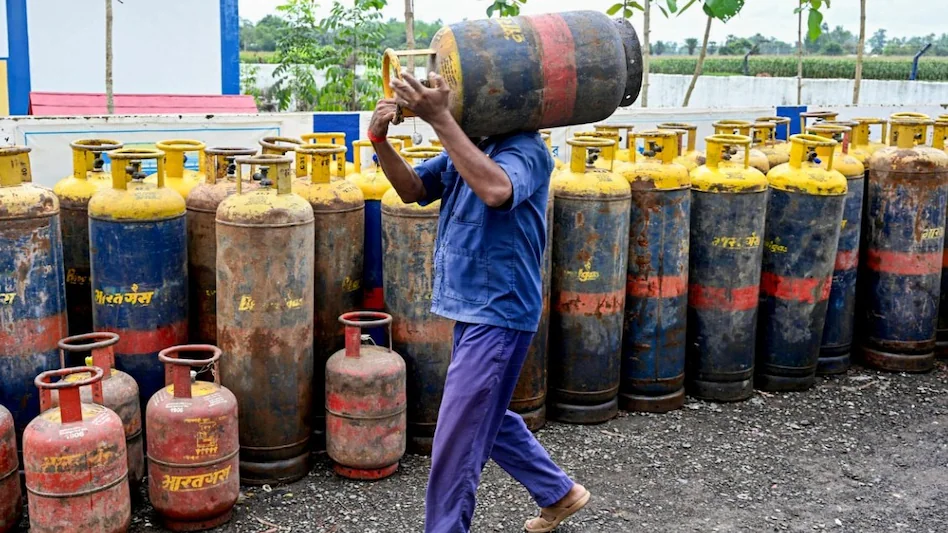
India’s liquefied petroleum gas (LPG) subsidy bill could exceed ₹1 lakh crore in FY27, creating a funding gap of nearly ₹70,000 crore over the ₹30,000 crore allocated in the Union Budget, according to a report by PL Capital. The projected surge reflects the government’s efforts to shield households from rising cooking gas prices while oil marketing companies (OMCs) absorb part of the increase in international fuel costs.
The sharp rise in subsidy spending comes amid elevated global energy prices and broader fiscal pressures from food and fertilizer subsidies, raising questions about whether the government will need additional budgetary support during the financial year.
LPG Subsidy Bill May Cross ₹1 Lakh Crore
PL Capital estimates that the Centre’s LPG subsidy expenditure could surpass ₹1 lakh crore in FY27, significantly exceeding the Budget provision of ₹30,000 crore. If the estimate materializes, the government would face a shortfall of around ₹70,000 crore, potentially requiring supplementary allocations or additional support for state-owned fuel retailers.
FY27 LPG Subsidy Outlook
| Item | Amount |
|---|---|
| Estimated LPG subsidy bill | Over ₹1 lakh crore |
| Budget allocation (FY27) | ₹30,000 crore |
| Estimated funding gap | Around ₹70,000 crore |
Rising Energy Costs Increase Fiscal Pressure
The projected increase in LPG subsidies is largely driven by higher international fuel prices, which have raised the cost of supplying subsidized cooking gas. To protect consumers from sharp price increases, the government and public sector OMCs have continued to absorb a significant portion of the higher costs.
The report also notes that overall subsidy spending has already risen 47% year-on-year during the initial months of FY27, adding pressure to government finances alongside higher food and fertilizer subsidy commitments.
Factors Driving Higher Subsidy Costs
| Driver | Impact |
|---|---|
| Higher global LPG prices | Increased subsidy requirement |
| Consumer price protection | Larger government support |
| OMC under-recoveries | Additional fiscal burden |
| Rising food & fertilizer subsidies | Broader pressure on government finances |
Impact on Oil Marketing Companies
State-owned OMCs—including Indian Oil Corporation, Bharat Petroleum Corporation Ltd. (BPCL), and Hindustan Petroleum Corporation Ltd. (HPCL)—play a central role in implementing the LPG subsidy programme. If subsidy reimbursements are delayed or budget allocations prove insufficient, these companies could temporarily bear part of the financial burden until additional government support is approved.
The final impact will depend on global LPG prices, crude oil trends, and the government’s policy decisions regarding consumer pricing and subsidy reimbursements.
Why LPG Subsidies Matter
The LPG subsidy programme, particularly under the Pradhan Mantri Ujjwala Yojana (PMUY), is aimed at making clean cooking fuel affordable for low-income households. Maintaining subsidized LPG prices helps improve access to cleaner energy, reduce dependence on traditional fuels such as firewood and coal, and support public health objectives.
However, rising subsidy costs also pose a challenge to the government’s fiscal consolidation goals, especially when combined with increased spending on other welfare programmes.
Looking Ahead
If global LPG and crude oil prices remain elevated, India’s LPG subsidy bill could exceed ₹1 lakh crore in FY27, well above the Budget allocation. The government may need to provide additional funds through supplementary grants or adjust subsidy policies later in the fiscal year.
Investors will closely monitor global energy markets, subsidy disbursements, and government policy decisions, as these will influence both public finances and the earnings outlook for state-owned oil marketing companies.
Get the day’s top stories in your inbox
One concise email. No spam, unsubscribe anytime.