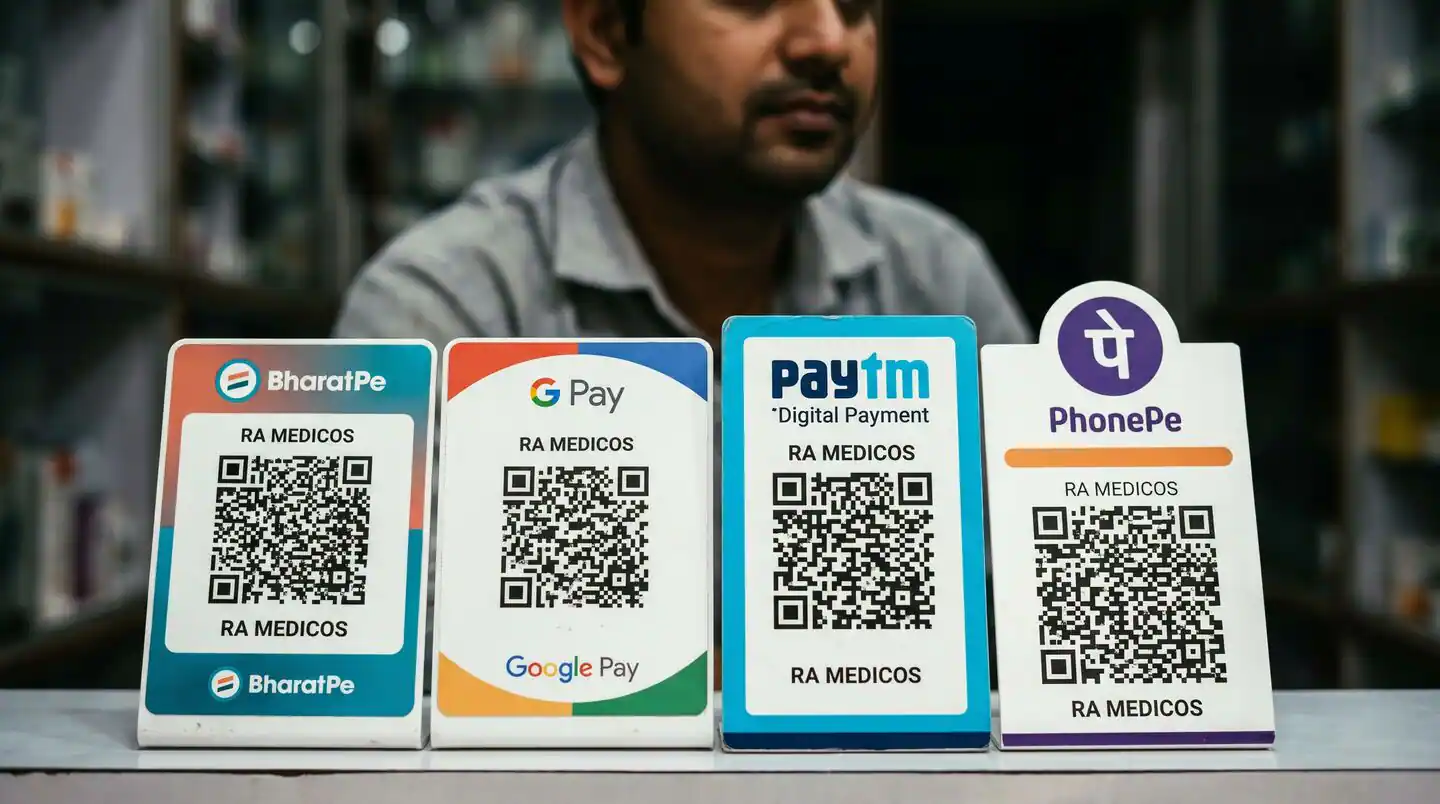
The Central Government is reportedly considering reintroducing the Merchant Discount Rate (MDR) on Unified Payments Interface (UPI) transactions for large businesses, marking a potential shift in India’s digital payments policy after nearly seven years of zero MDR on UPI. According to people familiar with the matter, the proposal is under active examination and is awaiting final government approval, though no final decision has been taken.
The proposal seeks to address growing concerns over the financial sustainability of India’s digital payments ecosystem, as payment service providers, banks, and fintech companies have repeatedly argued that processing rapidly rising UPI transaction volumes without merchant fees has become increasingly expensive. Small merchants and low-value transactions are expected to remain exempt if the proposal is approved.
Government Weighs MDR Return for Large UPI Merchants
The move could reshape the economics of India’s digital payments industry.
| Key Highlights | Details |
|---|---|
| Proposal | Reintroduce MDR on UPI payments |
| Target | Large merchants/businesses |
| Small merchants | Likely to remain exempt |
| Status | Under government consideration |
| Objective | Improve sustainability of digital payments ecosystem |
No official notification has been issued, and discussions are still ongoing.
What Is Merchant Discount Rate (MDR)?
Merchant Discount Rate is a fee paid by merchants to banks and payment service providers for processing digital payment transactions.
The fee typically covers:
- Payment processing.
- Banking infrastructure.
- Fraud prevention.
- Settlement services.
- Technology and network maintenance.
Since January 2020, UPI and RuPay debit card transactions have carried zero MDR, meaning merchants do not pay processing charges on these transactions.
Why the Government Is Considering the Change
Industry participants have long argued that zero MDR has created financial pressure on payment providers.
According to the report, the proposal is intended to:
- Improve the financial viability of payment companies.
- Support continued investment in payment infrastructure.
- Help banks recover transaction processing costs.
- Ensure long-term sustainability of the UPI ecosystem.
Multiple industry representations have reportedly urged the government to revisit the current policy.
Who Could Be Affected?
| Category | Likely Impact |
|---|---|
| Large merchants | May pay MDR on UPI transactions |
| Small merchants | Likely to remain exempt |
| Consumers | No direct charge expected |
| Payment providers | Potential improvement in revenue |
The proposal reportedly focuses on large businesses, while preserving free digital payments for smaller merchants and everyday users.
Potential Benefits
If implemented, the proposal could:
- Improve economics for payment companies.
- Encourage further investment in digital payment infrastructure.
- Support innovation in fintech.
- Reduce dependence on government incentives.
- Strengthen the long-term sustainability of UPI.
Industry stakeholders have argued that a sustainable revenue model is necessary as UPI transaction volumes continue to grow rapidly.
Concerns and Challenges
The proposal may also raise several concerns.
These include:
- Higher payment acceptance costs for large retailers.
- Possible resistance from merchant associations.
- Balancing affordability with ecosystem sustainability.
- Defining eligibility for “large merchants.”
- Ensuring UPI remains competitive with other payment methods.
Any final framework would need to carefully balance industry viability with continued digital payment adoption.
Outlook
The reported proposal reflects the government’s effort to balance two important objectives: maintaining India’s rapid digital payments growth while ensuring that banks and payment service providers have a sustainable business model. Since UPI’s launch, transaction volumes have expanded dramatically, making it one of the world’s largest real-time payment systems. As the ecosystem matures, policymakers are evaluating whether large commercial users should contribute toward the cost of maintaining the infrastructure.
Because the proposal is still under consideration, its final structure—including any MDR rate, transaction thresholds, or merchant eligibility criteria—remains undecided. If approved, the policy would represent one of the biggest changes to India’s UPI framework since the removal of MDR in 2020.
What It Means for India’s Digital Payments Industry
A return of MDR for large merchants could improve the financial health of payment companies, banks, and fintech firms that process billions of UPI transactions each month. Additional revenue may support continued investment in payment infrastructure, security, and innovation while reducing reliance on government support.
For businesses, the impact will depend on the final policy design and whether exemptions remain for small merchants. For consumers, UPI is expected to remain free for person-to-person transactions, with the proposed changes primarily aimed at commercial payment acceptance rather than individual users.
Get the day’s top stories in your inbox
One concise email. No spam, unsubscribe anytime.