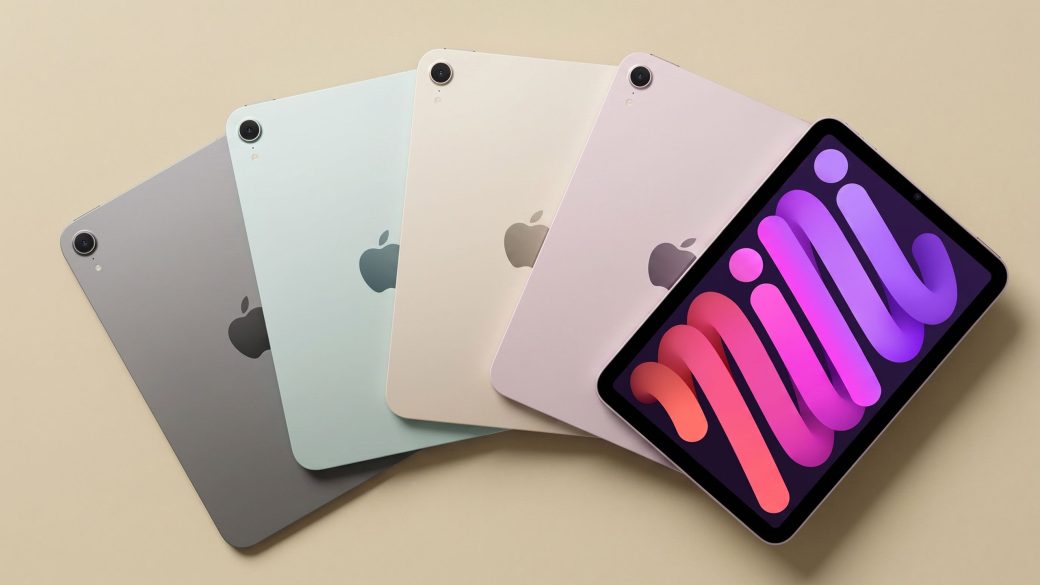
Apple is preparing its biggest iPad mini upgrade in nearly five years, with a new model featuring an OLED display expected to launch as early as October 2026. According to reports, the compact tablet will be the first non-Pro iPad to adopt OLED technology, delivering richer colors, deeper blacks, and improved contrast. Apple is also planning refreshed versions of the entry-level iPad and iPad Air in 2027, as it continues to revitalize its tablet lineup.
The reported roadmap suggests Apple is gradually expanding OLED technology beyond the iPad Pro while maintaining product differentiation. The base iPad is expected to retain its LCD display, whereas the iPad Air could transition to OLED in 2027. The staggered rollout aligns with Apple’s long-term strategy of bringing premium display technologies to more devices while balancing manufacturing costs and pricing.
Apple Readies OLED iPad Mini for Major Upgrade
The upcoming iPad mini is expected to receive its most significant hardware refresh since the 2021 redesign.
| Key Highlights | Details |
|---|---|
| Company | Apple |
| Product | iPad mini |
| Expected launch | October 2026 |
| Biggest upgrade | OLED display |
| Other updates | Entry-level iPad and iPad Air refreshes in 2027 |
The OLED-equipped iPad mini is expected to refresh Apple’s compact tablet lineup while appealing to users seeking premium visuals in a smaller form factor.
What’s New in the OLED iPad Mini?
The upcoming model is expected to focus on display quality and performance rather than a complete redesign.
Rumored upgrades include:
- OLED display replacing the LCD panel.
- Improved contrast and true blacks.
- More vibrant colors.
- Better HDR viewing experience.
- Faster processor, potentially based on the A19 Pro platform.
- Same compact design introduced in 2021.
- Possible price increase due to higher component costs.
The OLED panel would make the iPad mini the second iPad family, after the iPad Pro, to adopt the display technology.
2027 Updates for the Entry-Level iPad and iPad Air
Apple is also planning broader updates to its tablet lineup next year.
Expected roadmap:
- Entry-level iPad: Processor upgrade with no major design changes and continued use of an LCD display.
- iPad Air: New 11-inch and 13-inch models expected in spring 2027, with an OLED upgrade reportedly planned for the lineup.
- iPad Pro: Additional refreshes are also expected around the same period.
This staggered release schedule allows Apple to differentiate its products while gradually expanding OLED technology across the portfolio.
Why Apple Is Expanding OLED Across iPads
OLED displays offer several advantages over traditional LCD panels.
Key benefits include:
- Higher contrast ratios.
- Deeper black levels.
- Improved color accuracy.
- Better HDR performance.
- Faster pixel response times.
- Potentially improved power efficiency depending on usage.
These improvements are particularly valuable for media consumption, gaming, creative work, and professional applications.
Competitive Landscape
| Company | Premium Tablet Display Strategy |
|---|---|
| Apple | Gradual OLED expansion across iPad lineup |
| Samsung | OLED across many Galaxy Tab models |
| Lenovo | OLED on selected premium tablets |
| Huawei | OLED flagship tablets |
| Xiaomi | Premium OLED tablet offerings |
Apple has taken a phased approach to OLED adoption, first introducing tandem OLED displays on the iPad Pro before expanding the technology to other models.
Challenges Ahead
Despite the anticipated upgrades, Apple faces several challenges.
These include:
- Higher OLED manufacturing costs.
- Managing product pricing.
- Maintaining clear differentiation between iPad models.
- Supply chain constraints for OLED panels.
- Competition from Android tablets with high-refresh-rate OLED displays.
Balancing premium features with affordability will remain a key consideration for future iPad models.
Outlook
The OLED iPad mini represents Apple’s most significant update to its compact tablet in years and signals the company’s continued investment in the iPad lineup. By introducing OLED to the mini before expanding it to the iPad Air, Apple appears to be prioritizing products where display quality can deliver the greatest impact while maintaining a clear distinction between its entry-level, mid-range, and Pro devices.
Looking ahead, Apple’s phased roadmap suggests OLED will gradually become standard across much of its tablet portfolio, although the entry-level iPad is expected to remain on LCD for the foreseeable future. As display technology becomes more affordable and supply improves, OLED is likely to play a central role in the next generation of iPads.
What It Means for the Tablet Market
Apple’s OLED expansion reflects a broader trend toward premium displays becoming standard across consumer electronics. While Android manufacturers have offered OLED tablets for several years, Apple’s gradual rollout is expected to accelerate mainstream adoption and further raise consumer expectations for display quality.
For the tablet industry, the move underscores the growing importance of display technology as a key differentiator alongside processing power and AI capabilities. As OLED panels become more common across Apple’s lineup, competition is likely to intensify around refresh rates, battery efficiency, and creative productivity features.
Get the day’s top stories in your inbox
One concise email. No spam, unsubscribe anytime.