

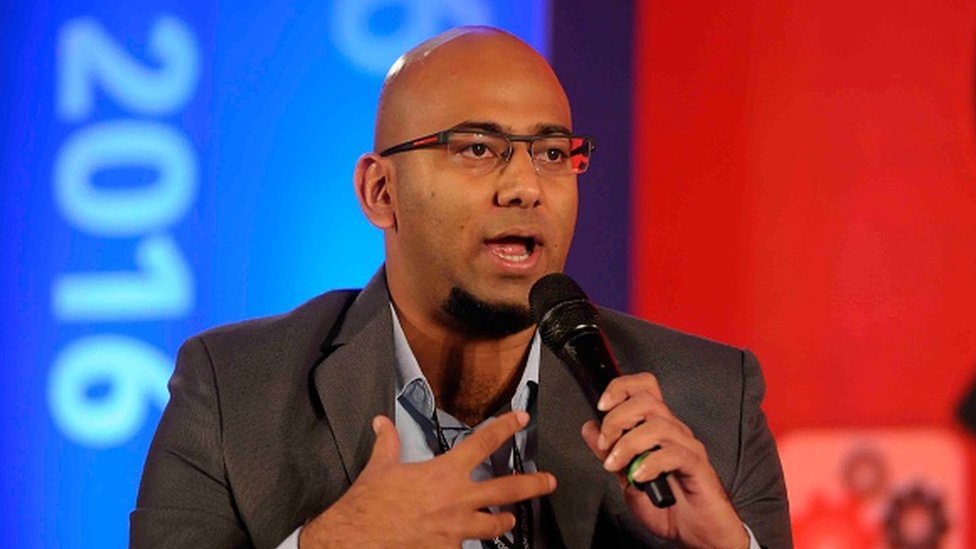
On July 23, 2025, Shantanu Deshpande, founder and CEO of Bombay Shaving Company, posted on LinkedIn his view that skincare brand Minimalist, acquired by Hindustan Unilever (HUL) in April for ₹2,706 crore, “will not survive or remain relevant in its current form in the next 3–5 years”
Why He Sees Post-Acquisition Risk
Deshpande highlighted key challenges facing Minimalist:
- Founder exit: The founders reportedly exited with substantial proceeds—₹2,000 crore for themselves and ₹1,000 crore for others—leaving the brand without its original drive
- Leadership turnover: The CEO who orchestrated the deal has left; a new executive now leads the brand—which Deshpande describes as a “struggling giant”
- Integration hurdles: He questioned whether Minimalist can maintain momentum within HUL’s large FMCG structure and withstand competition during integration
Context Behind the Deal
- HUL acquired a 90.5% stake in Uprising Science, Minimalist’s parent, as part of its aggressive play in the D2C beauty segment alongside brands like Oziva
- The abrupt exit of HUL’s then-CEO Rohit Jawa, with Priya Nair taking over from August 1 as HUL’s first female CEO, added leadership uncertainty Business Today
✅ What Deshpande’s Warning Means
- Deshpande supports tough scrutiny on post-acquisition brand survival, especially when founder-led magic is absorbed by corporate giants. He sees a disconnect between lean D2C agility and legacy FMCG management.
- His criticism reflects broader concern about whether brand identity and innovation can endure under mass-market structures.
- The post triggered robust discourse on LinkedIn: some defended Minimalist’s valuation and scale potential under HUL, while others agreed with his skepticism based on past acquisition failures
🧭 Broader Implications for Startups
This controversy underlines common risks in startup acquisitions:
- Loss of startup ethos when key founders depart or leadership shifts.
- Slow decisions and bureaucracy in large corporate setups stifling agility and innovation.
- Competition capitalizing on brand stagnation during transition phases.
Deshpande’s remarks serve as a cautionary tale about the fragility of founder-driven momentum within established corporate frameworks.