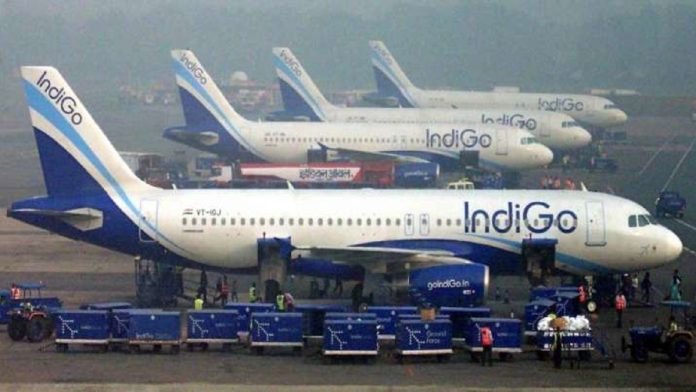


In a major intervention to shield India’s fast-growing aviation industry from global energy volatility, the Union Cabinet has approved the creation of a ₹10,000 crore Aviation Turbine Fuel (ATF) Price Stabilization Fund.
The strategic financial mechanism, cleared during a Cabinet meeting chaired by Prime Minister Narendra Modi, is designed to act as a fiscal cushion for domestic airlines. It arrives at a time when escalating West Asian geopolitical tensions continue to distort international crude oil supply lines and push domestic jet fuel prices to multi-month highs.
1. The Core Objective: Taming the Cost Monster
For Indian commercial airlines, Aviation Turbine Fuel is the single largest operational expense, routinely accounting for 40% to 45% of a carrier’s total running costs. Unlike international counterparts that utilize diverse hedging markets, Indian airlines are deeply vulnerable to the monthly price resets mandated by domestic oil marketing companies (OMCs).
- The Absorption Buffer: The ₹10,000 crore fund will be deployed to absorb sharp international price spikes. When global crude benchmarks cross a predetermined threshold, the fund will subsidize a portion of the OMC supply rate, ensuring airlines face a predictable, stable cost band.
- Preventing Fare Shocks: By establishing a predictable pricing roof for jet fuel, the government aims to prevent airlines from passing sudden cost spikes down to travelers, protecting consumers from sudden, steep increases in airfares during peak travel seasons.
2. Macro Imperative: Boosting Airline Liquidity
The financial injection arrives as domestic carriers struggle to balance soaring passenger demand against tightening operational margins.
While the post-pandemic travel boom has pushed airport footfalls to record highs, erratic fuel overheads have severely strained the working capital pipelines of major operators. Industry analysts note that stabilizing jet fuel costs will instantly inject liquidity back into airline balance sheets. This move will help carriers manage long-term aircraft leasing fees, fund maintenance, and expand fleets without requiring expensive short-term debt.
3. Complementing Long-Term Tax Reforms
While the price stabilization fund offers immediate financial relief, aviation sector leaders view it as a stepping stone toward a more permanent structural reform: bringing ATF under the Goods and Services Tax (GST) framework.
Currently, ATF attracts a complex layer of central excise duties alongside highly varied value-added tax (VAT) rates imposed by individual states, which can run as high as 30%. The Ministry of Civil Aviation, backed by heavy lobbying from commercial carriers, has consistently pushed the GST Council to unify jet fuel taxation under a standard national bracket.
Until that tax alignment secures absolute consensus across state governments, the newly minted ₹10,000 crore stabilization fund will serve as the primary defensive line keeping India’s commercial aviation expansion on a steady flight path.