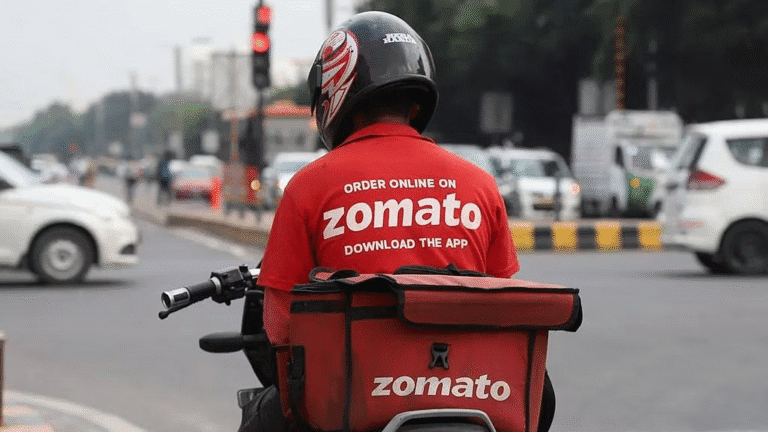
Zomato officially withdrew the Price Parity Clause from its restaurant contracts on Thursday, April 23, 2026. This strategic move follows years of tension with the National Restaurant Association of India (NRAI) and increasing scrutiny from the Competition Commission of India (CCI).
1. What was the “Charges for Price Disparity” Clause?
The clause was a standard part of Zomato’s agreements, designed to ensure that the prices listed on the app were the lowest available across all channels.
- The Penalty: If a restaurant offered lower prices to walk-in diners or on their own delivery websites, Zomato could legally levy a fine equal to three times the differential amount per order.
- Enforcement Tactics: The contract allowed Zomato to use “mystery shopping” (secretive restaurant visits) and customer complaints to verify pricing consistency.
- The Reality: While the clause existed in formal contracts for years, a Zomato source confirmed it was rarely, if ever, enforced in practice.
2. Why it was Withdrawn
The decision was triggered by a combination of industry pushback and looming legal risks.
- NRAI Pushback: The National Restaurant Association of India (representing over 500,000 outlets) argued the policy was an “unfair business practice” that stripped restaurants of their right to control their own product pricing.
- CCI Investigation: The CCI has been investigating Zomato and Swiggy since 2022 for alleged anti-competitive practices. A non-public report from the CCI’s investigation arm recently found that these parity clauses likely breached competition laws.
- Legal Precedent: Lawyers pointed to a 2022 CCI ruling against travel giants MakeMyTrip and Goibibo, which were forced to remove similar parity clauses that prevented hotels from offering lower rates on other platforms.
3. Impact on the Food Ecosystem
| Stakeholder | Impact |
| Restaurants | Gain the freedom to offer “Direct-Order Discounts” to customers who bypass the app, helping them save on Zomato’s 20–30% commission. |
| Consumers | May find cheaper prices when dining in or ordering directly from a restaurant’s own website compared to the Zomato app. |
| Zomato | Loses a formal tool for price control but may improve its often-strained relationship with restaurant partners. |
| Competitors | Opens the door for emerging models like ONDC (Open Network for Digital Commerce) to compete purely on price without being undercut by Zomato’s parity rules. |
4. Current Market Context
The removal of the clause comes during a difficult month for the food services industry.
- LPG Crisis: Indian restaurants are currently facing a ₹79,000 crore slowdown due to a spike in commercial LPG prices caused by energy supply disruptions in West Asia.
- Platform Fees: Both Zomato and Swiggy recently raised their platform fees to approximately ₹18 per order in March 2026 to boost margins amid slowing delivery growth.