
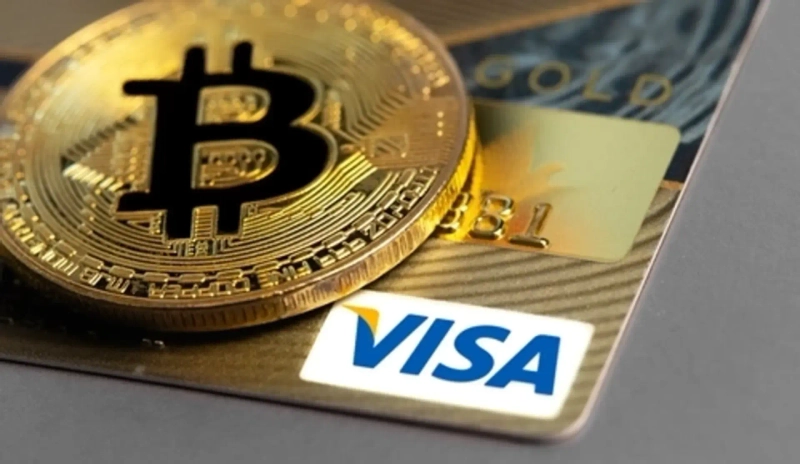
Visa, the global payments giant processing over $14 trillion in transactions annually, is set to integrate stablecoin support across four major blockchains by early 2026. This strategic move signals a seismic shift in mainstream adoption of digital assets, bridging traditional finance (TradFi) with decentralized finance (DeFi) at scale.
The Four Blockchains in Visa’s Stablecoin Expansion
According to Visa’s Q4 2025 earnings call and subsequent filings with the SEC, the company will enable native stablecoin settlements on:
- Ethereum (ETH) – The dominant smart contract platform powering USDC and USDT.
- Solana (SOL) – High-throughput blockchain favored for low-cost, instant transfers.
- Polygon (POL) – Ethereum’s leading Layer-2 for scalable DeFi applications.
- Stellar (XLM) – Cross-border focused network with built-in compliance tools.
“Stablecoins are the killer app for global commerce,” said Visa CFO Chris Suh during the announcement. “We’re not just accepting crypto — we’re making it the default rail for cross-border B2B and P2P payments.”
Why Stablecoins? The $150B Market Visa Can’t Ignore
Stablecoins have surpassed PayPal’s total payment volume in 2025, with Circle’s USDC alone settling $12 trillion year-to-date. Unlike volatile cryptocurrencies like Bitcoin, stablecoins maintain 1:1 pegs with fiat (primarily USD), making them ideal for:
- Merchant settlements (0.1% fees vs. 2.9% card fees)
- Cross-border remittances (near-instant vs. 3–5 days)
- Payroll in emerging markets (e.g., Philippines, Nigeria)
Visa’s internal data shows 87% of Gen Z consumers in Southeast Asia prefer stablecoin payouts over bank transfers.
How Visa’s Stablecoin Integration Works
For Merchants:
- Accept USDC, USDT, or EURC directly at checkout.
- Instant conversion to local fiat via Visa’s treasury partners (e.g., Coinbase Prime, Fireblocks).
- Zero chargeback risk — blockchain finality replaces disputes.
For Banks & Fintechs:
- Issue Visa-branded stablecoin cards (virtual/physical).
- Use Solana for sub-second settlements under $0.001.
- Leverage Stellar’s compliance layer for KYC/AML automation.
Impact on Crypto Markets: Bullish Signals Ahead
| Blockchain | Expected TVL Growth (6 Months) | Visa’s Projected Volume |
|---|---|---|
| Ethereum | +45% | $8B/month |
| Solana | +120% | $5B/month |
| Polygon | +80% | $3B/month |
| Stellar | +60% | $2B/month |
Source: Visa Investor Relations, Q4 2025
Solana and Polygon stand to gain the most due to lower gas fees and higher throughput, positioning them as Visa’s preferred rails for micropayments and emerging market adoption.
What This Means for Investors & Users
For Crypto Holders:
- Stablecoin yields (via Visa-partnered DeFi pools) could hit 8–12% APY.
- Seamless on-ramps — convert salary to USDC → spend anywhere Visa is accepted.
For Businesses:
- Cut cross-border fees by 90% using Solana-based USDC.
- Access real-time liquidity via Visa’s stablecoin treasury.
For Regulators:
- Visa’s on-chain compliance tools (powered by Chainalysis) may accelerate global stablecoin frameworks.
The Road Ahead: Visa’s 2026 Stablecoin Roadmap
| Milestone | Timeline |
|---|---|
| Pilot with 50 merchants | Q1 2026 |
| Full rollout (100+ countries) | Q2 2026 |
| Stablecoin-to-fiat card launch | Q3 2026 |
| Integration with Visa Direct | Q4 2026 |
Final Thoughts: The End of Crypto’s “Wild West”
Visa’s embrace of stablecoins on Ethereum, Solana, Polygon, and Stellar isn’t just a tech upgrade — it’s the infrastructure for Web3 commerce. As $1 trillion in stablecoin volume flows through Visa’s rails by 2027, the line between crypto and fiat will vanish.