

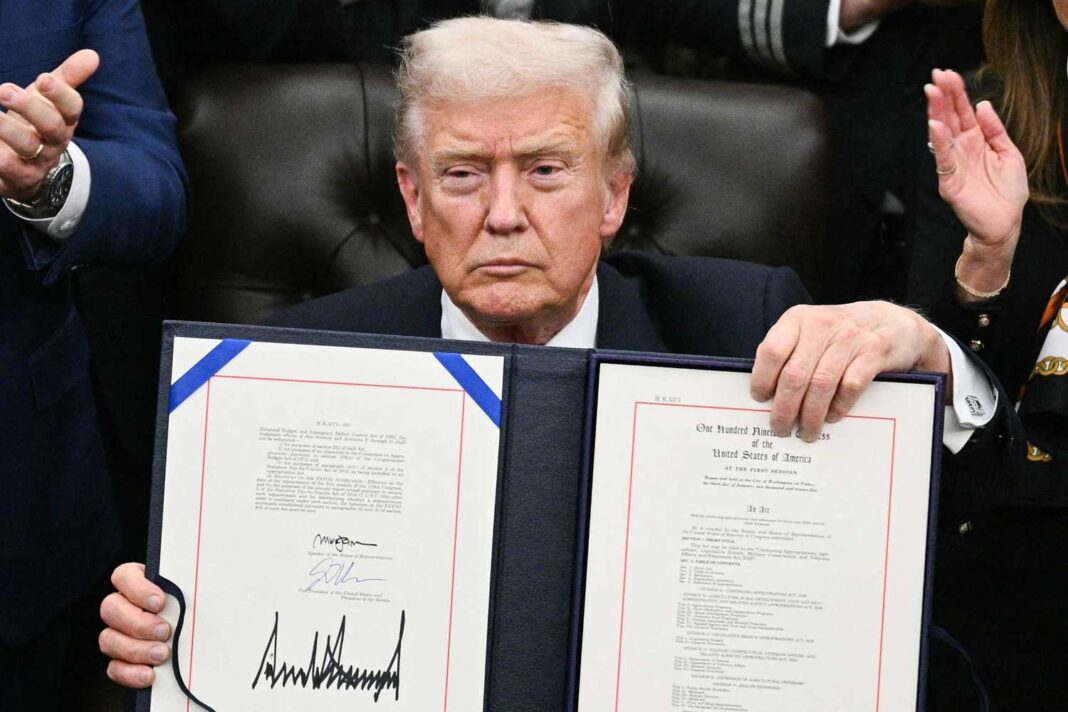
The United States federal government officially reopened on November 12, 2025, after a historic 43-day shutdown, making it the longest in US history.
The reopening followed the signing of a funding bill by Donald Trump that authorised government operations until January 30, 2026, while resolving key immediate issues such as back-pay for federal workers.
What triggered the shutdown
- The shutdown began at 12:01 a.m. EDT on October 1, 2025, after Congress failed to pass full-year appropriations or a continuing resolution.
- A central sticking point was the debate over extending tax credits for health-insurance plans under the Affordable Care Act (ACA). Democrats insisted on including the extension in the funding bill; Republicans refused.
- Important services were disrupted, around 900,000 federal employees were furloughed (or worked without pay) and various federal operations scaled back or paused.
How the shutdown ended
- The Senate approved a funding package on November 10; the House followed with a 222-209 vote on November 12.
- President Trump signed the measure later that day, restoring full operations.
- The deal included:
- Full-year funding for some agencies (Agriculture, Veterans Affairs, Legislative branch) and a short-term extension for others through January 30, 2026.
- Back-pay for furloughed workers and rehiring of those laid off during the shutdown.
Key impacts
On federal workers and services
Many federal workers waited 43 days for paychecks and were uncertain about when salaries would resume.
Travel and airport operations were also disrupted due to staffing shortages, especially in air-traffic controllers.
On economy & public programs
The shutdown cost the US economy billions of dollars in lost output and deferred activity.
Programs like food assistance (SNAP) faced delays and reductions, hitting vulnerable populations.
Political & policy implications
The episode highlights partisan gridlock in Washington and raises questions over how future funding and health-care subsidy negotiations will proceed. The Guardian
With funding only secured through January, the risk of another shutdown looms.
What to watch going forward
- Whether Congress will address the ACA subsidies clash: failure may provoke another funding impasse.
- How agencies rebuild staffing, resume full operations, and catch up on delayed work.
- The overall economic recovery from the disruptions and whether fiscal confidence is restored.
- Whether this record shutdown changes future budget-negotiation dynamics or institutional behaviour.
Summary
The US government reopening after a 43-day shutdown marks a major relief for federal workers and many Americans, yet it also underlines structural vulnerabilities in the US appropriations system.