

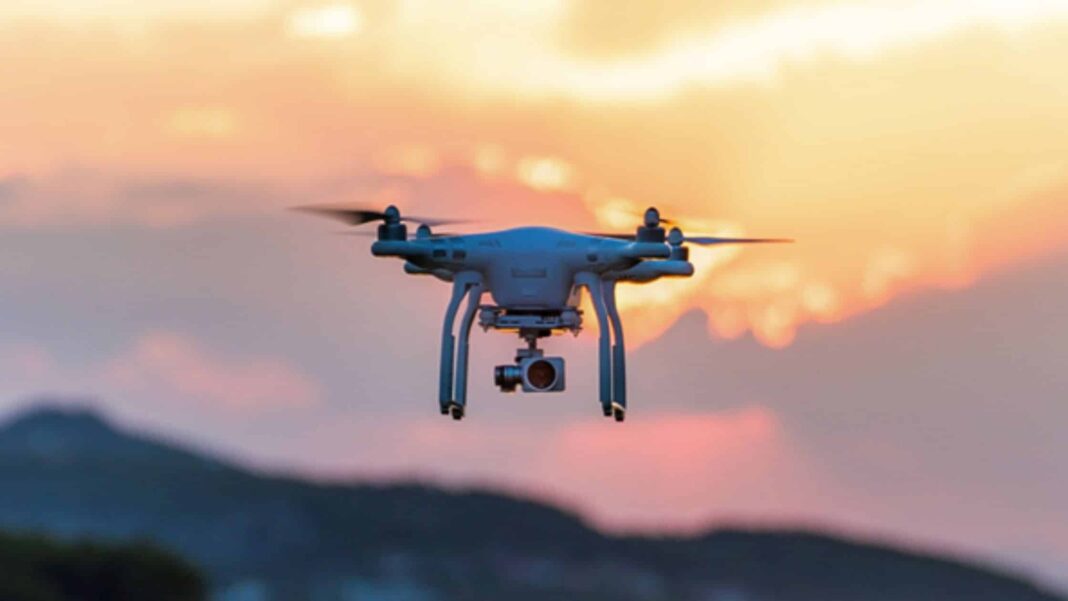
US ban foreign-made drones over national security, marking a significant escalation in Washington’s efforts to secure critical technologies and protect sensitive data. The decision reflects growing concern within the US government that drones manufactured abroad could pose risks related to surveillance, data leakage, and potential foreign interference.
The move that US ban foreign-made drones over national security is expected to reshape the commercial and government drone market while intensifying scrutiny of global technology supply chains.
Why the US Has Taken This Step
The decision is rooted in fears that foreign-manufactured drones could transmit sensitive data back to overseas servers or be remotely accessed in ways that compromise security. Drones are increasingly used for infrastructure inspection, law enforcement, border surveillance, and emergency response, making them a critical technology from a national security perspective.
US officials have repeatedly warned that reliance on foreign technology in sensitive sectors could expose vulnerabilities that adversaries might exploit.
Scope of the Drone Ban
The ban primarily targets drones manufactured outside the United States, especially those used by government agencies, defense-linked entities, and critical infrastructure operators. While consumer hobby drones may face fewer immediate restrictions, procurement rules for public agencies are expected to tighten sharply.
By enforcing this policy, the US aims to reduce dependence on foreign hardware and software in security-sensitive operations.
Impact on the Global Drone Industry
As US ban foreign-made drones over national security, the decision could significantly affect global drone manufacturers that rely on the American market. Companies producing drones overseas may face declining sales, stricter certification requirements, or complete exclusion from government contracts.
At the same time, the ban is likely to accelerate investment in domestic drone manufacturing and innovation, as US-based companies seek to fill the gap left by foreign suppliers.
Boost for Domestic Drone Makers
The restriction creates new opportunities for American drone startups and established defense contractors. Increased government demand for domestically produced drones could lead to higher investment, job creation, and faster technological development within the US drone ecosystem.
Industry experts say this could mirror earlier shifts seen in telecom and semiconductor sectors, where national security concerns drove localisation and reshoring efforts.
Concerns Around Trade and Technology Fragmentation
While supporters argue the ban is necessary, critics warn that US ban foreign-made drones over national security could deepen global technology fragmentation. Restricting access to foreign products may raise costs, slow innovation, and provoke retaliatory measures from other countries.
There are also concerns about whether domestic manufacturers can scale quickly enough to meet demand without compromising affordability or performance.
Implications for Allies and Partners
US allies that rely on similar drone technologies may reassess their own procurement policies. The ban could influence global standards around drone security, data storage, and software transparency, potentially pushing other countries to adopt similar restrictions.
This move further underscores how technology policy is becoming closely intertwined with geopolitics.
What Happens Next
Regulatory agencies are expected to issue detailed guidelines outlining compliance requirements, timelines, and exemptions. Government departments using foreign-made drones may need to phase them out over time or seek special approvals.
As US ban foreign-made drones over national security, enforcement and implementation will be closely watched by industry players and international partners.
Conclusion
The decision that US ban foreign-made drones over national security marks a decisive shift in how the United States approaches emerging technologies. By prioritising security over cost and convenience, the US is sending a clear message about the strategic importance of controlling critical technology infrastructure.
The move is likely to have lasting effects on the drone industry, global trade relations, and the broader debate around technology sovereignty.